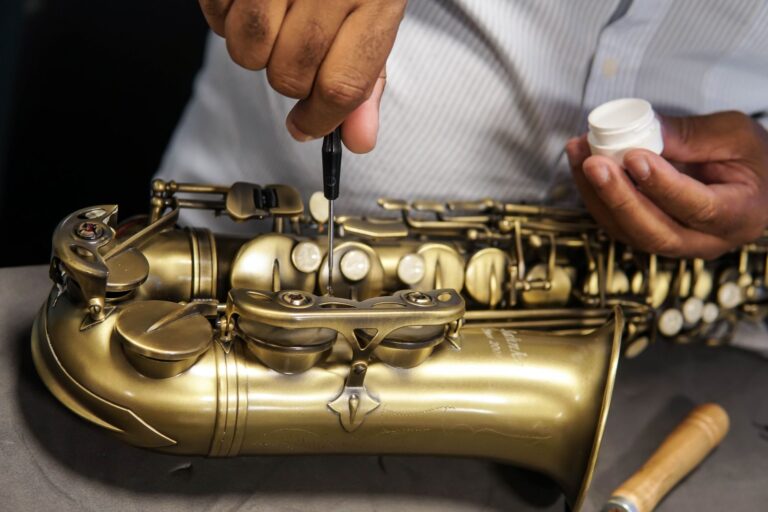


Indoor relative humidity held between 40 and 60 percent year-round protects solid wood furniture, because hygroscopic fibers continually trade moisture with the surrounding air through every season. A matched evaporative, ultrasonic, steam vaporizer, or whole-house unit paired with a calibrated humidistat all qualify, and the right pick depends on your room size, climate, and the value of the pieces you need to safeguard. A 6 to 8 percent wood moisture content matches that indoor range, which is exactly where factories build case goods and acoustic pianos.
What follows covers how wood reacts to indoor air, the damage thresholds to watch for, and how to size, place, and maintain the right unit for case goods, hardwood floors, and instruments. A quick reference to the units mentioned throughout: a cool-mist humidifier releases room-temperature vapor, a warm-mist or steam vaporizer boils water first, an ultrasonic model uses high-frequency vibration, an evaporative unit pulls air through a wet wick, and a whole-house or furnace-integrated humidifier plumbs into your HVAC system for whole-home coverage.
Why Wood Furniture Responds to Indoor Humidity
Wood is hygroscopic, which means it constantly trades moisture with the surrounding air. On a January morning in a heated home, the air can sit at 20 percent relative humidity, and the oak table in your dining room quietly gives up a fraction of its internal moisture to balance itself. Come July, that same table swells slightly when you open the windows to a humid evening. The fibers are never at rest.
That constant give-and-take is the single most controllable factor in how long a piece of furniture will last. Light, dust, and pets all matter, but you can manage indoor humidity with a plug-in device. Decades of work by the Forest Products Laboratory, a division of the U.S. Forest Service, confirm that dimensional change in solid wood is driven almost entirely by moisture content, which is in turn driven by relative humidity.
Because wood movement is predictable, it is also preventable. A well-placed humidifier in the room where your case goods, hardwood floors, or piano live can keep moisture content within the narrow band the wood was built around. Skip that step and the same room becomes a stress test for every joint, veneer, and glue line you paid for.
Those stresses show up at surprisingly narrow humidity ranges, and recognizing them turns guesswork into a measurable target.
Damage Thresholds: Where Wood Starts to Crack, Warp, and Split
Damage rarely shows up overnight. It accumulates through repeated shrink-swell cycles, and the symptoms fall into three predictable groups.
Surface and Finish Symptoms
When indoor relative humidity drops below 35 percent, the outer fibers of a solid wood board lose moisture faster than the core. That imbalance shows up as hairlines along the grain, dull spots where the finish has lifted, and tiny gaps at the seams of breadboard ends. Most furniture conservators treat 35 percent as the floor below which antiques and hardwood floors start to register visible stress.
Structural and Joinery Symptoms
Glue joints, mortise-and-tenon connections, and dovetail pins all depend on wood fibers staying in contact. Repeated swings between very dry and very humid conditions cause those joints to loosen. Drawers start to stick, then suddenly have play. Chair rungs develop lateral cracks. A veneered tabletop can telegraph the substrate through the finish, leaving parallel ridges you can feel with a fingernail.
Why Antiques and Pianos React First
A new piece of engineered furniture with a sealed MDF core and a thick lacquer finish tolerates swings better than a 19th-century sideboard with hide glue and shellac. A piano is the extreme case: the soundboard is a thin sheet of spruce that moves with humidity, and the tuning pins, bridges, and action all sit on that moving plate. That sensitivity is why piano and antique furniture preservation hinges on tighter humidity control than modern goods require.
Hitting that band year-round, though, demands equipment chosen with wood in mind rather than personal comfort alone.
The 40–60% Sweet Spot and Why It Matters Year-Round
Most furniture manufacturers, piano technicians, and museum conservators converge on the same range: between 40 and 60 percent relative humidity. That band keeps wood moisture content close to the 6 to 8 percent equilibrium most factories build to, and it limits the daily expansion and contraction that wrecks joinery.
Winter Is Where Most Homes Fall Apart
Cold outdoor air holds very little moisture. Once a furnace heats that air to 70 degrees Fahrenheit, the indoor relative humidity can plunge to 15 or 20 percent. The arid Southwest, the high plains, and mountain regions see this routinely. Homes in those climates can lose half their safe humidity range in a single week of hard heating, which is exactly when a humidifier earns its keep.
Calibration Beats Guesswork
A hygrometer is the only way to confirm a room actually sits in the safe range. Analog dial hygrometers drift, so spring for a digital model with a stated accuracy within 3 percent and calibrate it using the salt-test method before the first heating season. Place one in the main living area and another in the room with your most valuable pieces; upstairs and downstairs frequently read ten points apart.
Set the humidifier’s built-in humidistat to 45 percent in winter, then nudge the target down to 40 percent as outdoor temperatures climb above 35 degrees Fahrenheit. That two-step adjustment keeps window condensation in check while still protecting wood.
Cool-Mist, Warm-Mist, Ultrasonic, and Evaporative Compared for Wood Care
Every humidifier technology can protect wood, but each has a different personality. Match the technology to the room, not the other way around.
| Type | How it adds moisture | Best fit for wood care |
|---|---|---|
| Evaporative humidifier | Fan pulls air through a wet wick; output self-regulates as RH rises | Living areas with mixed wood floors and furniture; hardest to over-humidify |
| Ultrasonic humidifier | High-frequency vibrations create a fine cool mist | Bedrooms and offices; quiet and efficient, but can oversaturate a small, closed room |
| Steam vaporizer (warm-mist humidifier) | Boils water and releases steam | Cold rooms or households that want warm, humid air; uses more energy |
| Impeller | Rotating disc flings water through a diffuser | Smaller spaces, child-safe designs |
| Whole-house humidifier / trickle-through bypass humidifier | Plumbed into the HVAC system, controlled by a central humidistat | Homes with extensive wood flooring, built-ins, or a piano; most consistent coverage |
Why Evaporative Units Are the Safest Default
An evaporative humidifier physically cannot push humidity past the air’s carrying capacity, because the wick stops evaporating efficiently once relative humidity climbs. That built-in ceiling is the single most important feature for protecting wood finishes from over-humidification, swelling, and mildew.
Why Ultrasonic and Warm-Mist Still Earn a Spot
Ultrasonic humidifiers run nearly silent and use very little electricity, which makes them ideal for a bedroom where you sleep near an heirloom dresser. Warm-mist models and steam vaporizers boil water first, so the output is sterile and the room feels warmer, a real plus in a drafty New England farmhouse. The trade-off is energy cost and a hot surface that needs to stay out of reach of children and pets.
When a Whole-House Unit Is the Only Sensible Answer
If your home has solid wood floors across the main level, a grand piano, or a serious antique collection, a single portable unit cannot keep up. A whole-house humidifier installs on the supply plenum of the furnace and conditions every room at once, making it the most consistent form of protection available without zoning each room individually.
Choosing the Right Size and Type for Your Home and Furniture
Output ratings, room size, and furniture value should all factor into the decision. Use this checklist before you click buy.
- Match output to square footage: A 300-square-foot bedroom needs roughly 1 to 2 gallons of output per day, while a 2,000-square-foot main floor needs 8 to 12 gallons or a whole-house unit.
- Count the wood: Hardwood floors, built-in cabinetry, and multiple case goods raise the stakes; favor a unit that covers the whole level rather than the single room.
- Insist on a humidistat: Built-in humidistats and auto-shutoff features keep a humidifier from pushing the room past 50 percent, which protects both wood and windows.
- Plan for distilled or demineralized water: Ultrasonic and impeller models throw fine mineral dust that can settle on wood finishes; a furnace-integrated unit bypasses the problem with a flush mechanism.
- Add a dedicated unit for a piano room: A separate console in the room housing an upright or grand piano provides an extra layer of insurance for the most humidity-sensitive instrument in the house.
Setting Up, Monitoring, and Maintaining Stable Humidity Without Overshooting
A humidifier that runs 24/7 at full blast is just as damaging as a dry room. The goal is a flat line, not a roller coaster.
Placement and Air Circulation
Place portable units a few feet off the floor on a stable surface, away from walls and direct contact with wood. A unit parked three inches from a side table will leave a water ring on the wood within a week. Aim for open air space so the mist disperses evenly rather than soaking one corner of the room.
Monitor Multiple Rooms
Basements read more humid than the main floor, and attic bedrooms read drier. Track at least two zones with separate hygrometers, and adjust the humidifier’s target based on the room with the most valuable wood. A 5 percent gap between upstairs and downstairs is normal; a 15 percent gap means you need to address ventilation or run a second unit.
Cleaning, Filters, and Water Quality
Mineral buildup and mold inside a humidifier can send white dust and spores onto every nearby surface, and that dust harms wood finishes over time. Empty and rinse the tank daily, deep-clean with white vinegar weekly, and replace wicks or filters on the manufacturer’s schedule. If you notice any film on nearby wood, the unit is overdue for a cleaning or the water source is too hard.
Tuning Furnace-Integrated Units by Outdoor Temperature
Whole-house humidifiers should not run at the same setpoint year-round. Drop the target humidity as outdoor temperatures rise to keep window condensation under control, because condensation on cold glass eventually migrates into sills and nearby wood. A simple chart or a smart humidistat that tracks outdoor temperature handles the adjustment automatically.
Matching a Humidifier to the Value of Your Wood
Spend where the wood is, save where it is not. A modest bedroom set of factory-finished furniture does not justify the same investment as a Steinway or a documented antique.
Budget Tier: One Room, Modest Wood
A single ultrasonic or impeller unit covers a home office or guest bedroom and costs little to run. Aim for a 1- to 2-gallon daily output, a digital humidistat, and a sleep mode. Distilled water prevents the mineral dust that dulls nearby finishes.
Mid-Range Tier: Living Areas With Floors and Antiques
An evaporative console in the 4- to 6-gallon range handles a living-dining area with mixed wood content. These self-regulate, run quietly, and tolerate hard water better than ultrasonic models. Pair the console with a digital hygrometer in the room with the most valuable pieces.
Premium Tier: Whole-House for Significant Wood Square Footage
Whole-house humidifiers cost more up front and require professional installation, but they deliver the most consistent protection for homes with extensive wood flooring, multiple case goods, or a piano. Add a smart humidistat that adjusts with outdoor temperature and the system runs itself.
The right humidifier is the one that holds 45 percent relative humidity quietly, reliably, and with minimal maintenance, regardless of which tier it sits in. Anything more is comfort, not protection.
Bottom Line
Wood furniture fails on a curve, not a cliff. The damage you see in March started the previous October when the heat kicked on and humidity dropped below 35 percent. A correctly sized humidifier to protect wood furniture, a calibrated hygrometer, and a 45 percent target are the three habits that interrupt that curve. Match the technology to the room, clean the unit on schedule, and your furniture keeps the dimensions it had the day it left the workshop. For the best humidity range for antiques and wood, treat 45 percent as the centerline and 40 to 60 percent as the acceptable spread, and your case goods, floors, and instruments will reward you with decades of quiet service.
FAQ
What is the best humidifier for protecting wood furniture?
Self-regulating output that resists overshooting makes an evaporative console or a furnace-integrated whole-house unit the safer choice in most homes. For a single bedroom or office, a quality ultrasonic model with a digital humidistat also works when paired with distilled water.
What humidity level is best for wood furniture and hardwood floors?
Relative humidity between 40 and 60 percent keeps wood furniture and hardwood floors stable, with 45 percent the most common target. That band matches the 6 to 8 percent wood moisture content factories build to, which keeps shrinkage, swelling, and joint stress to a minimum.
Can a humidifier prevent wood furniture from cracking or warping?
Yes, when the humidifier holds humidity inside the 40 to 60 percent band year-round. Cracking and warping come from repeated cycles of drying and reabsorbing moisture, so the goal is steady wood moisture content, not peak humidity.
What type of humidifier is best for antiques and pianos?
A large collection or a single priceless instrument benefits most from an evaporative console placed in the room, or a whole-house unit serving a broader space. A piano’s soundboard is a thin sheet of spruce that moves with every humidity shift, so self-regulating output matters more than raw gallons per day.
How big of a humidifier do I need for a room with wood furniture?
A 300-square-foot bedroom with a few wood pieces needs 1 to 2 gallons of daily output. A 500- to 1,000-square-foot living area with wood floors and case goods needs 4 to 6 gallons, and 2,000 square feet of main-level wood typically calls for a whole-house unit rated 8 to 12 gallons per day.
Are whole-house humidifiers better than portable units for wood protection?
Whole-house humidifiers deliver more consistent protection for homes with extensive wood flooring, built-ins, or a piano, because they condition every room from the HVAC supply. Portable units work well for a single room or a smaller collection but can leave other rooms under-humidified.