

Find the Right Humidity for Every Room
The Humidifier Lab looks closely at the appliances, room conditions, and routines that shape indoor moisture.
We explain what matters when choosing equipment, adjusting placement, reading humidity levels, and keeping a unit clean.
Start with the Moisture Problem
Choose the appliance, upkeep task, or practical question that best matches what is happening in your space.
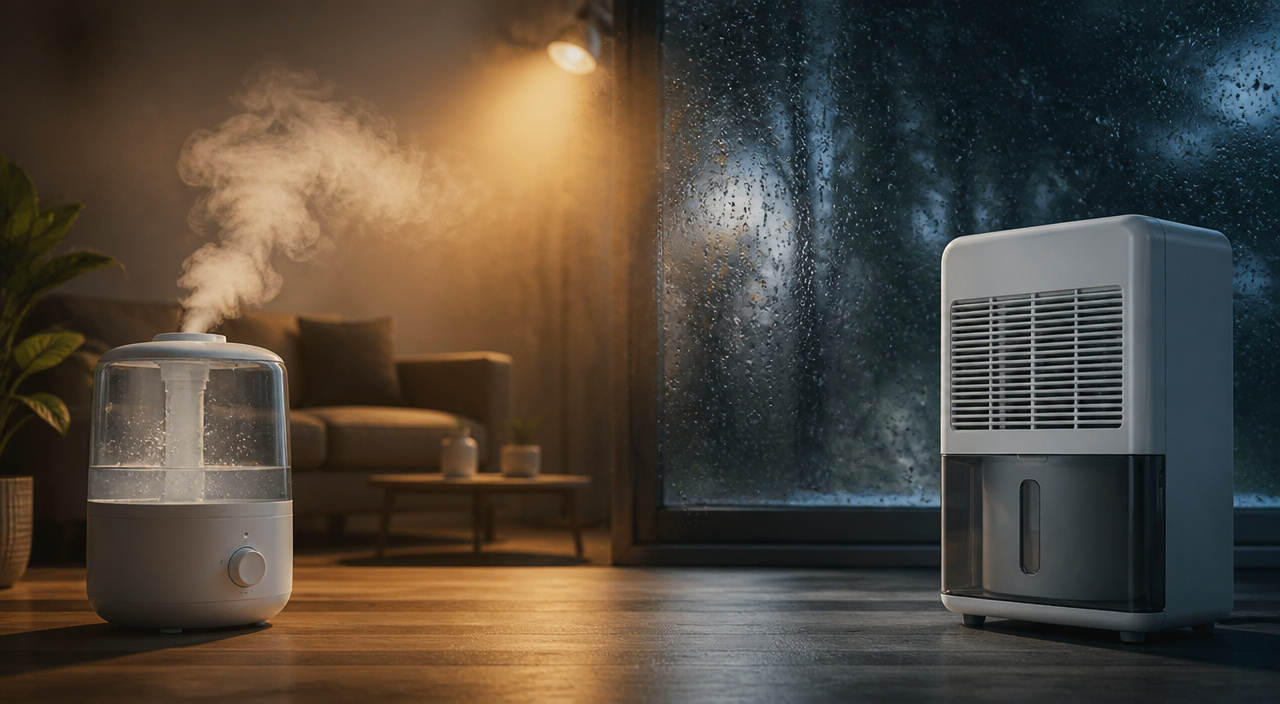
Dehumidifier
Understand capacity, drainage choices, placement, and the room conditions that affect moisture removal.
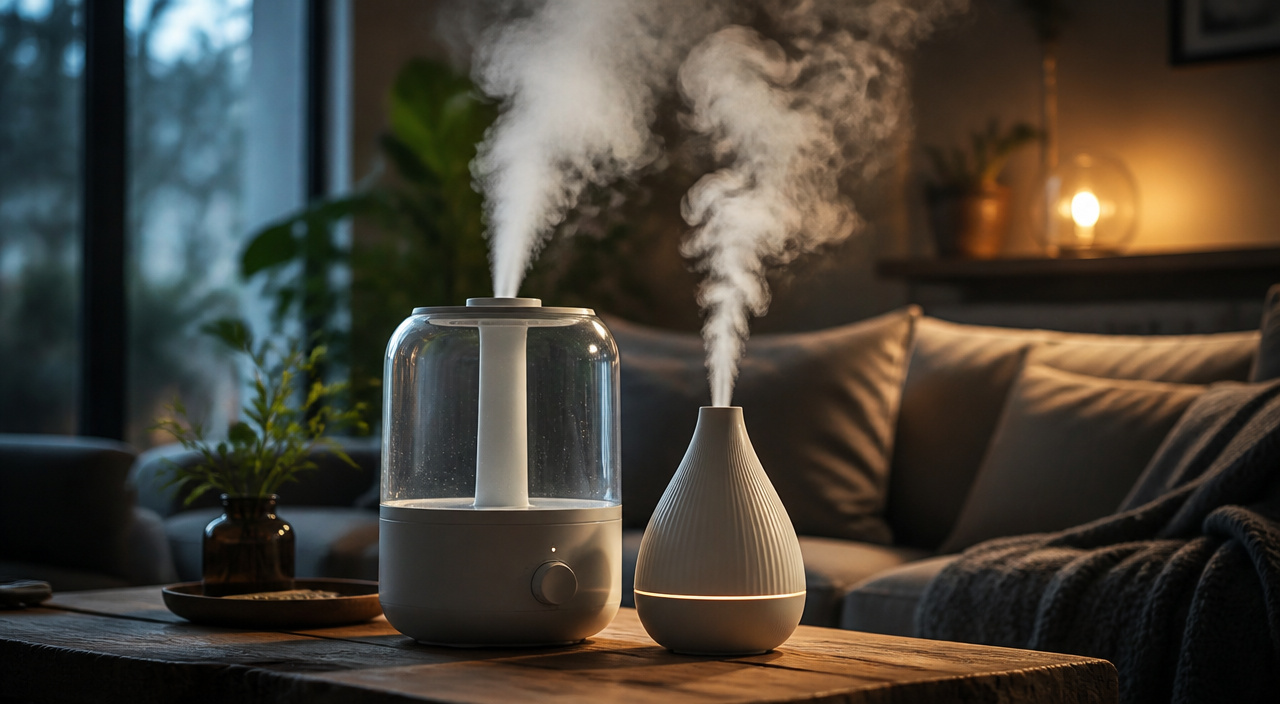
Humidifiers
Compare mist methods, tank sizes, controls, noise considerations, and sensible ways to humidify a room.
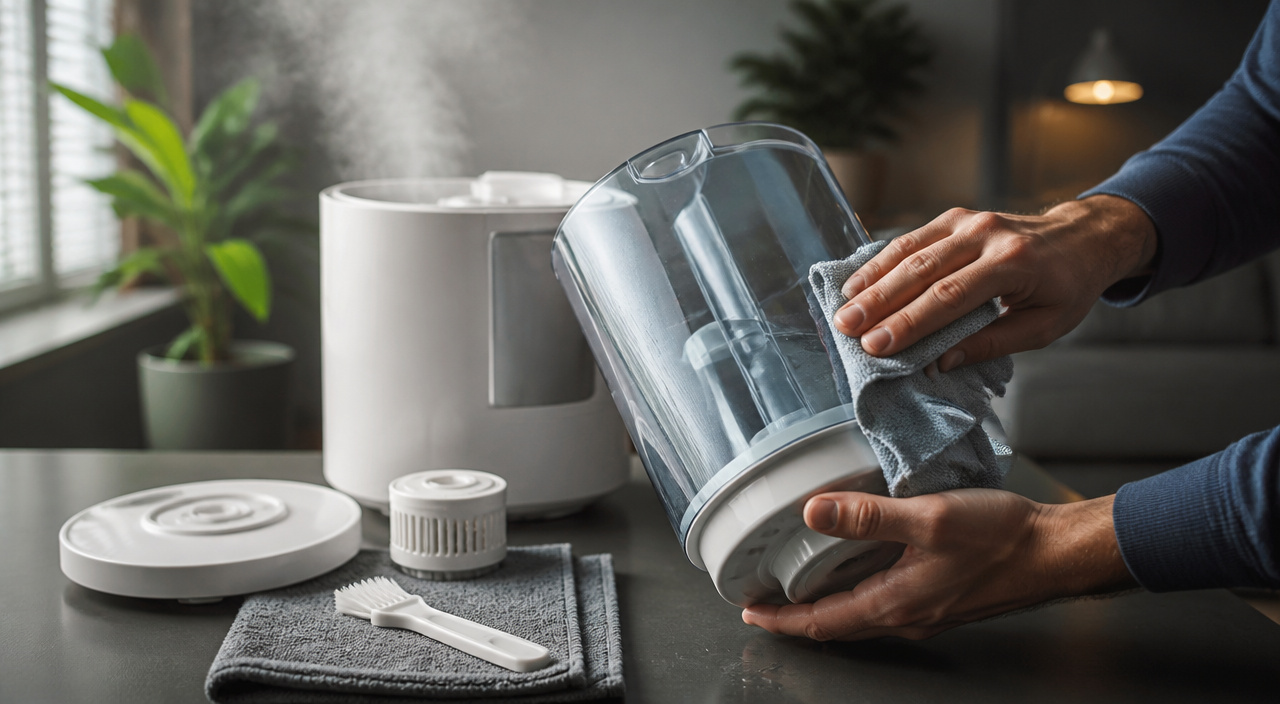
Maintenance
Build better cleaning, drying, filter, and storage habits without turning upkeep into a complicated project.
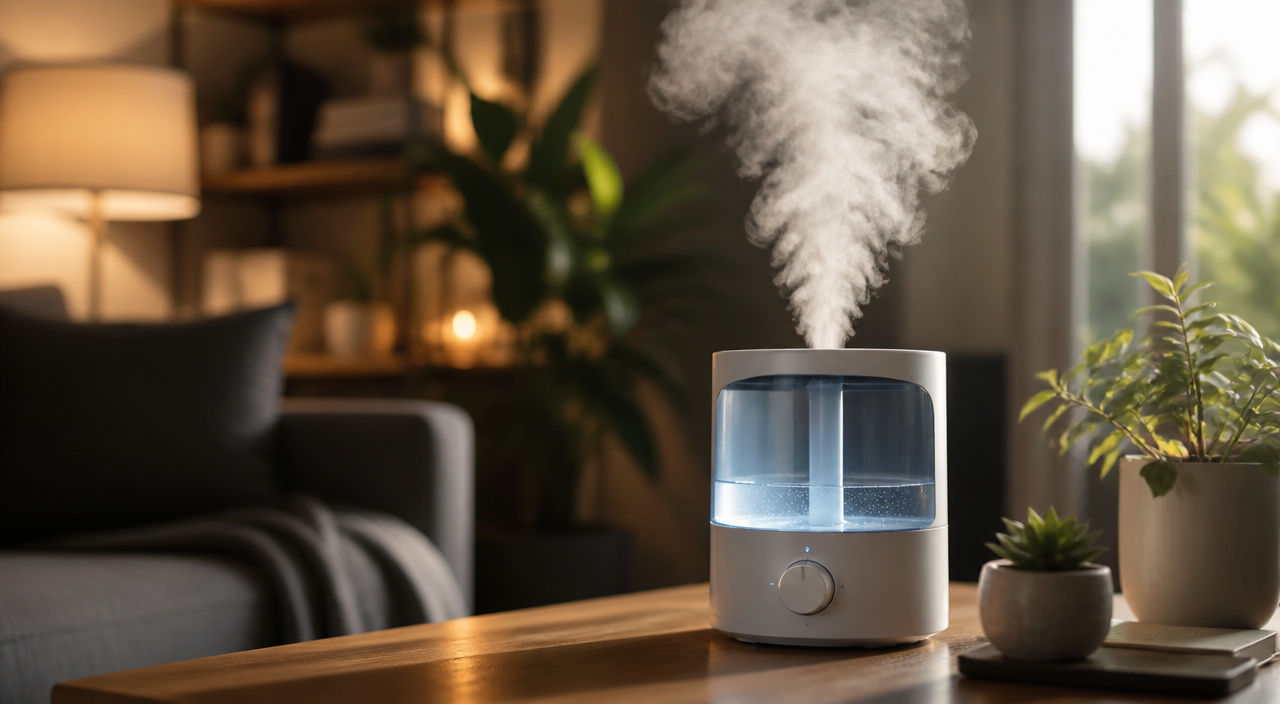
Tips
Make useful adjustments to runtime, placement, airflow, target humidity, and everyday moisture checks.
Latest Articles for Better Room Balance
Read our newest thinking on humidity control, appliance selection, cleaning routines, and changing room conditions.
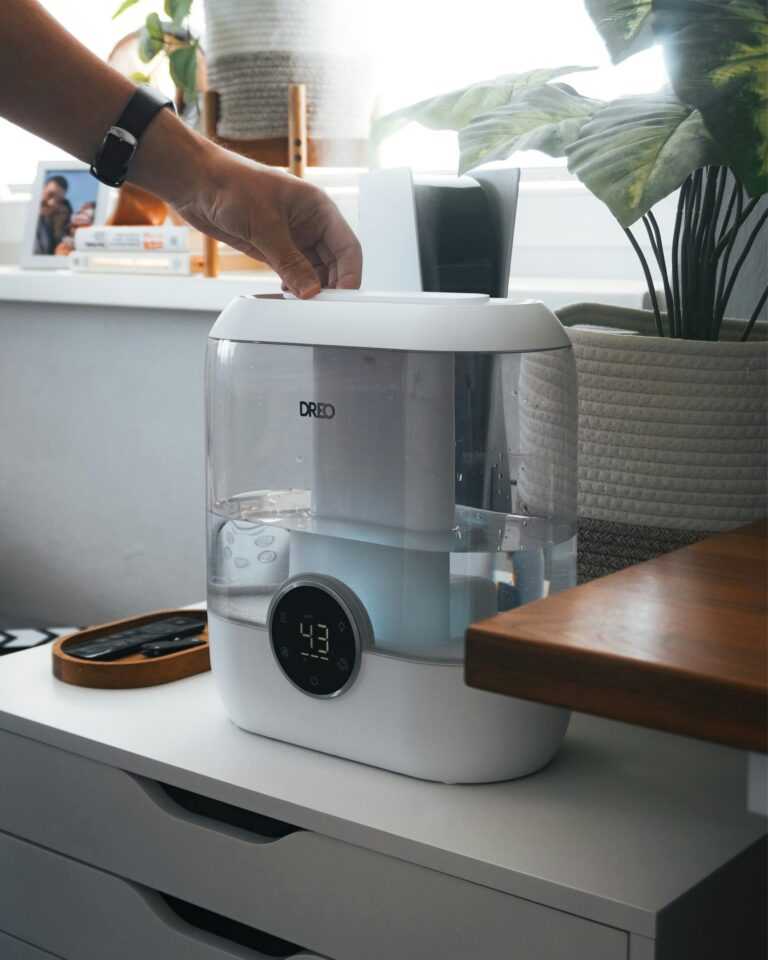
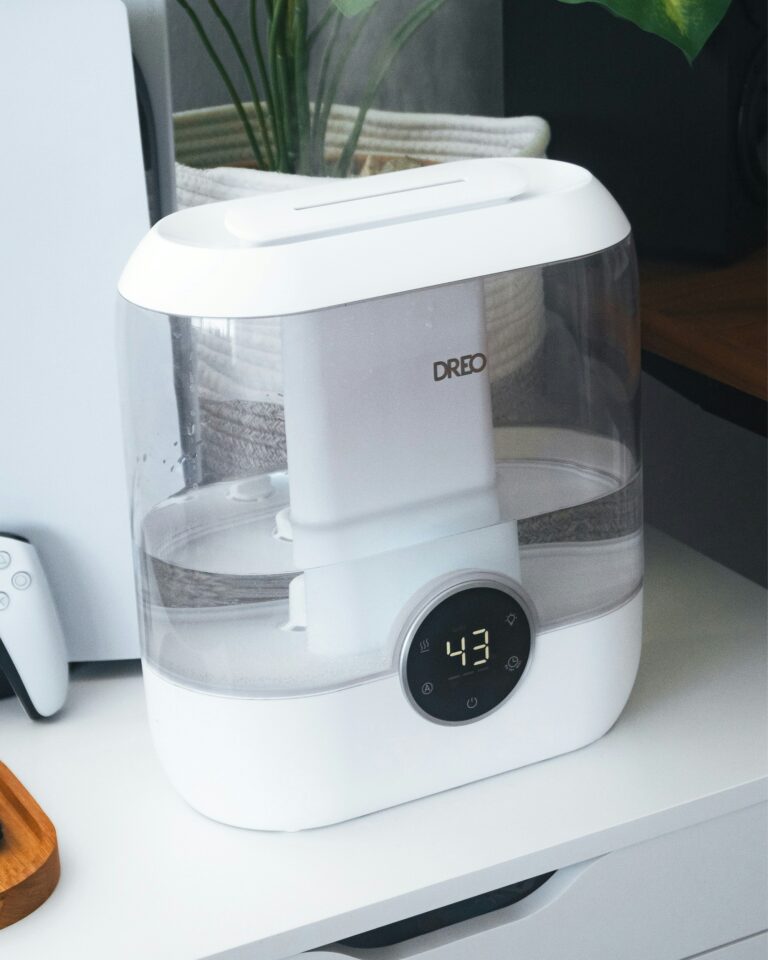
Humidity Signals Worth Noticing
Room comfort is only one clue. Windows, furniture, fabrics, runtime, and water use can all reveal whether an adjustment is needed.
Condensation Changes the Plan
Persistent moisture on windows or nearby surfaces can indicate that output is too high for the room or outdoor conditions.
Placement Affects the Reading
A humidity sensor near mist, direct sunlight, a vent, or an exterior wall may not reflect conditions across the whole room.
Water Choice Affects Upkeep
Mineral content can influence scale buildup and visible dust, so cleaning frequency should respond to the water and unit type.
Capacity Is More Than Floor Area
Ceiling height, open doors, drafts, temperature, and existing moisture can change how hard an appliance needs to work.
Why Trust The Humidifier Lab.com
We approach indoor humidity as a practical household subject. Our aim is to help readers understand tradeoffs, recognize important variables, and make decisions that fit the room rather than chase a single answer for every situation.
Details Before Assumptions
We consider room conditions, appliance design, controls, upkeep needs, and realistic daily use.
Tradeoffs Are Kept Visible
Warm mist, cool mist, evaporation, drainage methods, and tank designs each bring practical advantages and limitations.
Safety Stays in the Conversation
Cleaning, stable placement, moisture monitoring, hot components, cords, and manufacturer instructions all deserve attention.
A Quick Humidity Control Comparison
The right approach depends on whether a room needs added moisture, reduced moisture, or closer observation before an appliance is selected.
Small Habits for Steadier Indoor Humidity
A few repeatable checks can improve appliance performance, reduce avoidable mess, and make room conditions easier to interpret.
Measure Away from the Mist
Keep a separate humidity monitor clear of direct output, vents, windows, and other spots that can distort its reading.
Check Nearby Surfaces
Look for dampness on windows, walls, shelves, and fabrics instead of judging output by comfort alone.
Empty Standing Water
Follow the unit instructions for emptying, rinsing, drying, and refilling rather than repeatedly topping off old water.
Keep Air Paths Clear
Allow room around intakes and outlets so furniture, curtains, bedding, or walls do not restrict airflow.
Adjust with the Weather
Outdoor temperature and seasonal changes can alter indoor moisture needs, even when the appliance setting stays the same.
Inspect Before Storage
Clean and fully dry removable parts before putting the appliance away to avoid trapping water during storage.
Make a More Confident Humidity Choice
Continue with our latest articles on humidifiers, dehumidifiers, maintenance, and the practical details that influence indoor moisture.