

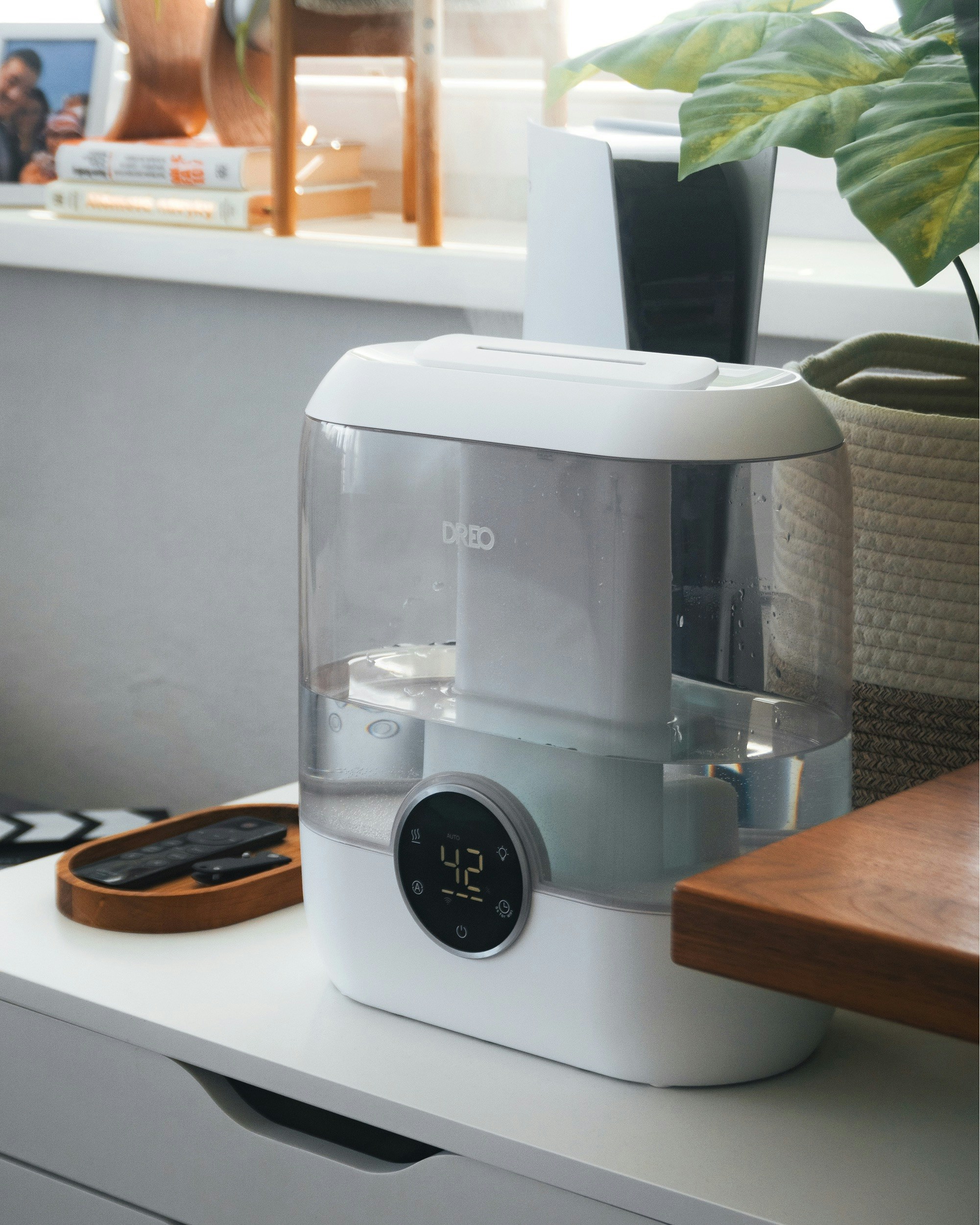

Holding indoor relative humidity between 30% and 50% with a clean, well-maintained unit placed in the room where you actually sleep can make breathing noticeably easier, and distilled water in ultrasonic models keeps mineral dust out of your airways. Match the technology to your triggers: evaporative cool-mist for dust and pollen, ultrasonic for quiet bedrooms, warm-mist for cold climates, and a whole-house bypass for chronic sinus or asthma problems. The seven picks below cover each allergy profile with named models, honest tradeoffs, and the cleaning habits that keep the unit from becoming the source of the symptoms you are trying to relieve.
Choosing the right humidifier can quiet allergy flare-ups or quietly make them worse, so this guide breaks down the 2025 models worth considering, the technology behind each, and the upkeep routines that protect sensitive airways.
Why Indoor Humidity Shapes Allergy and Asthma Symptoms
Nasal membranes work like a living filter, and they depend on a thin layer of sticky mucus to catch pollen, dust mite debris, and pet dander before those particles reach your throat. Drop the room below 30% relative humidity and that lining dries, cracks, and stops trapping irritants effectively, so your immune system reacts to nearly everything in the air. Push past 50% and the same moisture wakes up dust mite colonies in carpet and bedding and feeds mold spores on every cool surface, including the inside of the humidifier tank.
The 30%–50% Window and Why It Matters
The Asthma and Allergy Foundation of America and the EPA both point to a 30%–50% indoor humidity range as the practical target for homes with allergy or asthma concerns, because the lower bound keeps your nasal tissue comfortable while the upper bound starves dust mites of the moisture they need to breed. Winter heating in most of the U.S. routinely drives indoor humidity below 20%, while a bathroom after a hot shower can spike past 70% within minutes and stay elevated for hours if no fan runs. Your humidifier should fill the gap when heating dries the air, not push the room into the danger zone.
Track the Room, Not the Forecast
Place a small hygrometer in the bedroom or living area where you spend the most time, then check it after a full day of running your heating or cooling system so the reading reflects the room you actually breathe in. Aim to keep the needle in the low to mid 40s during peak allergy season, and if the number climbs past 50% on its own, scale back the humidifier or crack a window for a few minutes to bleed off excess moisture. A $10 analog hygrometer works fine, while a Bluetooth model from a brand like ThermoPro lets you watch the trend from your phone and catch slow creep before dust mites notice.
Smart monitoring can prevent problems, but the underlying technology behind the mist matters just as much for sensitive lungs.
Tip: Run the humidifier only when the hygrometer reads below 45%, and let the room coast down to 40% before shutting it off. That buffer prevents the slow climb above 50% that wakes up dust mites and mold.
Cool-Mist, Warm-Mist, and Ultrasonic Models Compared
Three technologies dominate the consumer humidifier market, and each handles allergens, noise, and safety differently. Your final choice comes down to room size, noise tolerance, and whether you want the unit to also warm the air in winter.
| Type | How It Works | Allergy Strengths | Watch For |
|---|---|---|---|
| Cool-mist evaporative | Fan pulls air through a wet wick filter | Wick traps minerals and some particles; runs cool to the touch | Filter replacements every 30–60 days |
| Ultrasonic | High-frequency vibration breaks water into fine droplets | Near-silent operation; good for bedrooms | White mineral dust unless you use distilled water |
| Warm-mist (steam) | Boils water, then releases cooled steam | Heat kills some bacteria and mold spores in the water | Hot internal surfaces; higher burn risk around children |
Cool-Mist Evaporative Picks for Everyday Use
Evaporative models from brands like Honeywell and AprilAire are workhorses in allergy homes because the wick filter does double duty by catching minerals from tap water and slowing the release of fine particles into the room. You trade quiet operation for steady, low-pressure airflow and a humidistat you can set to 45% and forget, which is a fair swap in a bedroom where white noise is welcome. The replaceable wick costs about $10 and is the only part you touch between deep cleanings, so the ongoing cost stays low.
Ultrasonic and Warm-Mist Tradeoffs
Ultrasonic units, including popular Levoit and Dyson designs, run nearly silent and break water into a cool, ultra-fine mist that disappears into the air without cooling the room. The catch is mineral dispersal: tap water leaves a fine white film on nearby furniture, and that same dust can settle in your lungs and aggravate sensitive airways. Switching to distilled water eliminates the residue, and many ultrasonic models accept a demineralization cartridge that catches calcium and magnesium before the mist leaves the tank. Warm-mist Vicks models appeal in cold climates because the steam adds a small amount of radiant heat, but the boiling chamber raises burn and fire concerns in a child’s bedroom and consumes more electricity per hour of run time.
Features That Matter Most for Sensitive Airways
Marketing copy makes most humidifiers look similar, but a small set of features separates an allergy-friendly unit from one that quietly feeds your symptoms. Focus on the parts you can clean, the controls that prevent overshoot, and the water system that matches your tap.
Those controls and water choices become concrete once you see how each style actually performs in a real bedroom.
- Built-in humidistat: Auto-shuts the unit off above 50% relative humidity and saves you the trouble of babysitting the dial.
- Demineralization cartridge: Catches calcium and magnesium from tap water before the mist leaves the tank, cutting white dust in ultrasonic models.
- Easy-open tank: A wide mouth or top-fill design lets you reach every surface with a bottle brush, which is the only real defense against biofilm.
- Dishwasher-safe parts: Saves time and ensures a thorough weekly cleaning, the single most important habit for allergy households.
- Antimicrobial-treated reservoir: Plastic infused with silver-ion or similar agents slows bacterial growth between cleanings, though it never replaces them.
- Room-size match: Check the square-foot rating. A 250-square-foot unit pushed to cover 500 square feet will run nonstop and overshoot your humidity target.
Tip: Skip any unit that lacks a removable tank or hides the heating element behind non-replaceable plastic. You will not be able to clean it properly, and biofilm will colonize the seams within a few weeks.
7 Top Humidifier Styles for Allergy and Asthma Relief
Different allergy triggers call for different hardware, and the seven profiles below cover most households, from a single bedroom to a whole home tied into the HVAC system. Each pick names the model type, the room it fits, and the specific allergy problem it solves.
1. Best Overall Cool-Mist for a Medium Bedroom
An evaporative Honeywell or AprilAire console model with a permanent wick filter and an adjustable humidistat covers roughly 400 to 600 square feet and runs quietly enough for light sleepers. The replaceable wick costs about $10 and is the only part you touch between deep cleanings, which keeps the routine short enough to actually follow.
2. Best Ultrasonic for Light Sleepers
A Levoit or Dyson ultrasonic humidifier with a demineralization cartridge and a night-mode indicator light works for noise-sensitive bedrooms where every decibel matters. Pair it with distilled water to keep the mist clean, and top-fill models from Levoit make daily rinsing a 30-second job that you will not skip.
3. Best Warm-Mist for Cold Climates
A Vicks warm-mist unit with a cool-touch housing, a stable base, and auto shut-off when the tank empties is a sensible pick for a chilly main living area in the high desert or mountain west. Keep it off the nightstand and out of a child’s reach, since the steam still burns on contact if the unit tips.
4. Best Whole-House Solution for Chronic Sinus Problems
AprilAire and Honeywell both make furnace-mounted bypass humidifiers that tie into your HVAC ductwork and pair with a whole-home humidistat. Installation runs a few hundred dollars with a pro, but the result is consistent humidity across every room without refilling a tank, which matters for asthma sufferers in particular because the unit never runs hot and never pushes past your setpoint.
5. Best for Pet Dander Households
A quiet ultrasonic unit with a sealed tank and easy top-fill cuts daily rinsing down to a minute, and the seal matters because dander clings to the rim of open tanks. A quick wipe-down each morning keeps that film out of the air, and a demineralization cartridge keeps mineral dust from joining the dander load your lungs have to filter.
6. Best for Nurseries and Kids’ Bedrooms
A small cool-mist unit with a 1- to 2-liter top-fill tank, dishwasher-safe parts, and a nightlight covers a nursery without the burn risk of a warm-mist model. Pure Enrichment and Levoit make compact cool-mist designs that weigh under 3 pounds and run quietly through a full night of sleep.
7. Best Travel Option for Hotel Rooms
A pocket-size cool-mist humidifier with a USB power cord and a 500-milliliter tank fits in a carry-on and runs for about eight hours per fill, which is enough to cover a hotel room on a dry winter night. Pair it with a travel-size bottle of distilled water from any pharmacy to skip the mineral dust that hotel ultrasonics are famous for leaving on the nightstand.
Cleaning and Maintenance Habits That Prevent Mold and Bacteria
A dirty humidifier is a far worse allergy trigger than dry air, because standing water, room temperature, and a dark plastic tank create the perfect incubator for biofilm, a slimy layer of bacteria and mold that breaks free with every puff of mist. The five-minute daily rinse and the weekly deep clean are not optional in an allergy household; they are the only reason the unit helps instead of harms.
Daily and Weekly Routines
Empty the tank, rinse it with cool tap water, and leave the cap off so the inside air-dries every morning, which is enough to stop most biofilm from gaining a foothold. Once a week, fill the tank with a solution of one part white vinegar to two parts water, let it sit for 20 minutes, scrub the seams with a bottle brush, and rinse thoroughly. For a deeper weekly clean on warm-mist units, swap the vinegar for one teaspoon of unscented liquid bleach per gallon of water, then rinse three times to clear any residue before the next refill.
Filter, Cartridge, and Water Choices
Replace wick filters every 30 to 60 days, sooner if the unit runs daily or you notice a musty smell that vinegar cannot clear. Swap demineralization cartridges on the schedule printed in the manual, typically every two to three months, and mark the date on the cartridge with a Sharpie so you do not have to guess. Use distilled or demineralized water in any ultrasonic humidifier to slow mineral scale, and consider it for warm-mist units too if you live in a hard-water area where the kettle builds up within a week. Store the unit bone-dry between seasons and inspect the base and seals for pink or black biofilm before you bring it back out in October.
Even with diligent cleaning, routine missteps can undo that effort and quietly reignite the symptoms you worked to calm.
Common Mistakes That Make Allergies Worse Instead of Better
Most humidifier complaints trace back to a handful of repeatable errors, and spotting them early saves you weeks of congestion and a return trip to the allergist. The list below covers the failures that show up in nearly every negative review.
- Overshooting humidity: Running the unit nonstop and pushing past 50% feeds dust mites and mold colonies in carpet and bedding.
- Skipping filter changes: A wick that looks fine is still loaded with trapped minerals and microbes that recirculate into the room.
- Warm-mist in a child’s room: Hot internal surfaces and an unstable base are a burn risk, so cool-mist is the safer nursery pick.
- Pairing moisture with dust: Humid air loosens allergens trapped in dirty carpet, drapes, and bedding, so vacuum and wash before you turn the unit on.
- Tap water in an ultrasonic model: The white film on your nightstand is also in your airways, which makes distilled water the only safe choice.
Warning: A musty or sour smell from the unit is biofilm, not a quirk. Stop using the humidifier, dump the water, and run a full vinegar or bleach clean before the next refill.
Matching the Right Humidifier to Your Allergy Profile
Your main triggers, room size, and tolerance for cleaning all steer the final decision, and a quick profile-by-profile look helps you skip the trial-and-error phase. The matches below combine a unit type with a specific care habit so the relief lasts past the first week.
Dust and Pollen Sufferers
An evaporative cool-mist unit equipped with a HEPA-style wick filter, set up in the bedroom, can pull the bulk of seasonal pollen and year-round dust out of the air before the mist ever reaches you. The cool temperature keeps the tank inhospitable to most bacteria between cleanings, and the replaceable filter catches what a basic wick would miss.
Pet Dander Households
A quiet ultrasonic unit with a sealed tank and easy top-fill cuts daily rinsing down to a minute, and the seal matters because dander clings to the rim of open tanks. A quick wipe-down each morning keeps that film out of the air, and a demineralization cartridge keeps mineral dust from joining the dander load your lungs have to filter.
Asthma Plus Allergies
A whole-house bypass humidifier tied to a whole-home humidistat is the gold standard for households where a single member has asthma. Consistent whole-home humidity prevents the swings that often trigger bronchospasm, and the unit is plumbed directly into the water line so you never refill a tank or wonder whether the bedroom reading matches the nursery reading.
Sinus Sufferers in Dry Climates
A warm-mist unit in the main living area, monitored with a separate tabletop hygrometer, adds both moisture and gentle radiant heat in the high desert or mountain west where winter humidity often sits below 15%. Keep the unit where you spend your evenings, and check the hygrometer before bed to avoid spiking humidity past 50% overnight.
A Quick Buying Checklist
Run through these five points before you click order, because a unit that fails any one of them will frustrate you within a month. The checklist also doubles as a quick audit if you already own a humidifier and suspect it is making symptoms worse.
- Humidity target: Built-in humidistat with a 30%–50% range, plus a separate hygrometer for verification.
- Tank size for the room: At least one quart per 250 square feet, or a plumbed line for whole-house coverage.
- Filter type: Permanent wick with a clear replacement schedule, or a demineralization cartridge if you choose ultrasonic.
- Cleaning effort: Top-fill tank, wide opening, and dishwasher-safe parts that take under five minutes to maintain.
- Noise level: Below 30 decibels on the night-mode setting if the bedroom is the destination.
FAQ
Do humidifiers actually help with allergies?
Yes, when humidity stays in the 30% to 50% range, a humidifier keeps nasal passages moist and better able to filter pollen, dust, and pet dander. Above 50%, the same unit feeds dust mites and mold, which makes symptoms worse.
What type of humidifier is best for allergy sufferers?
Cool-mist evaporative and ultrasonic models are the safest picks for most households because the tank stays cool and the unit is easy to clean. Warm-mist units work too, but the heating element raises burn risk around children and adds a small amount of radiant heat.
Is a cool-mist or warm-mist humidifier better for allergies?
Cool mist wins on safety and energy use, which is why most allergists and pediatric guidelines recommend it. Warm mist can offer slight relief in cold climates because the steam feels soothing, but the benefit comes from humidity, not heat, so a cool-mist unit set to the same target performs just as well.
What humidity level is ideal for people with allergies?
Keep your home between 30% and 50% relative humidity, with 40% to 45% as a comfortable middle. A
FAQ
0 hygrometer in the bedroom tells you whether your humidifier is doing its job without crossing the line into mold territory.Can a humidifier actually make allergies worse?
It will if humidity climbs past 50%, if the tank goes unclean for more than a week, or if tap water leaves mineral dust in an ultrasonic unit. A working humidistat, distilled water, and a weekly deep clean keep those failure modes in check.
What features should I look for in an allergy-friendly humidifier?
Look for a built-in humidistat that shuts off above 50%, a removable top-fill tank wide enough to scrub, a demineralization cartridge for ultrasonic models, and dishwasher-safe parts. Skip any unit that hides the heating element behind sealed plastic because biofilm will colonize the seams within weeks.