
Ultrasonic models clocking in at 26 to 28 dB on their lowest setting dominate bedroom recommendations, with Levoit’s Classic 300S, Pure Enrichment’s MistAire, and several Crane units topping owner noise reports. Honeywell, Dyson, and Vicks appear in secondary roles, serving compact rooms, premium builds, or menthol steam use rather than pure silence.
The breakdown below walks through decibel measurement, the noise differences between ultrasonic, evaporative, and warm-mist designs, brand-by-brand noise profiles, and the features that keep a low-noise unit quiet over time.
Why Humidifier Noise Is Measured in Decibels, Not Marketing Claims
Decibels give you a universal yardstick for comparing sound across brands. A reading of 25 dB matches rustling leaves, while 35 dB lines up with a soft whisper, and most bedroom-rated humidifiers land between those two points. Sixty dB is roughly normal conversation, well above anything a sleep-friendly unit should produce.
Manufacturer labels like “silent” or “ultra-quiet” carry no regulatory weight. Two brands can stamp the same word on boxes that measure 28 dB and 42 dB at the same fan setting. Treating the dB figure on the spec sheet as the real number keeps comparisons honest, and it lines up with how most reviewers actually test these products in a quiet room.
What a Realistic Bedroom dB Target Looks Like
For a sleeping adult or a light-sensitive partner, aim for 30 dB or lower at the unit’s highest setting. Sound below that threshold tends to disappear under the noise floor of a quiet bedroom, especially with a fan or HVAC system already running. Humidifiers that hit 26 to 28 dB, common in ultrasonic lines, are typically inaudible from a nightstand three feet away.
Common Noise Floor Reference Points
| Sound Source | Approximate dB | Humidifier Equivalent |
|---|---|---|
| Rustling leaves | 20 dB | Best ultrasonic models on lowest setting |
| Soft whisper | 30 dB | Standard ultrasonic humidifier |
| Quiet library | 40 dB | Small evaporative or warm-mist unit |
| Normal conversation | 60 dB | Larger evaporative humidifier on high |
Ultrasonic, Evaporative, and Warm-Mist Designs Run on Different Noise Profiles
Humidifier type sets the noise ceiling before brand selection even begins. Ultrasonic models vibrate a metal diaphragm at high frequency to break water into a cool mist, and that process produces no fan noise at all. Most ultrasonic units stay below 30 dB and often near 26 dB, which is why they dominate quiet-operation rankings across owner surveys.
Evaporative humidifiers pull air through a wet wick filter, and that airflow requires a fan. Even efficient evaporative units land in the 35 to 45 dB range, loud enough to register in a quiet bedroom. Warm-mist humidifiers boil water into steam and cool it before release, which removes fan noise but introduces clicking, gurgling, and the occasional pop as mineral deposits heat and cool.
Why the Technology Difference Matters for Sleep
For sleep and nursery use, ultrasonic technology is the default winner. The diaphragm is silent, and only a faint hiss from mist leaving the nozzle reaches the ear. Evaporative designs cover larger square footage and self-regulate humidity more naturally, but the fan is always a factor. Warm-mist units feel cozy in winter but add a hot element near a sleeping child, which is a separate concern from noise.
With those noise profiles in mind, it helps to see which brands owners and reviewers keep praising for staying under the threshold.
Match the type to the room before matching the brand: ultrasonic for quiet, evaporative for coverage, warm-mist for chilly bedrooms where the soft boiling sound feels comforting rather than disruptive.
The Brands Consistently Ranked Quietest by Owners and Reviewers
Across owner surveys, professional reviews, and verified purchase feedback, four brands surface repeatedly in the low-noise category. Each takes a slightly different angle on what quiet operation means in practice, and the rankings hold up across price tiers.
Levoit: The Ultrasonic Benchmark
Levoit’s Classic 300S earns frequent top marks for noise performance, often cited at 26 to 28 dB on its sleep setting. The unit runs filterless, supports a 6-liter tank, and pairs with a companion app for humidity scheduling. Larger bedroom units in the 600S line stay in the same low-dB range while covering more square footage, which makes them a strong pick for open master bedrooms.
Honeywell: Compact Cool-Mist Reliability
Honeywell’s HUL520W delivers low noise output in small to medium rooms, around 30 dB at medium mist. The smaller 1.5 L tank means more frequent refills, but the compact footprint fits neatly on a nightstand and stays quiet enough for a partner sleeping two feet away. Honeywell’s track record on warranty service adds a layer of trust for first-time buyers.
Pure Enrichment: Budget-Friendly Bedroom Focus
Pure Enrichment’s MistAire is specifically marketed for bedroom environments, with a sleep mode that drops output and darkens the display. Noise lands around 28 to 30 dB in owner tests. The 1.5 L tank and 25-hour runtime make it a strong pick for guest rooms and dorm setups where quiet matters more than coverage.
Crane: Nursery-Ready Ultrasonic Designs
Crane ultrasonic models earn consistent praise for near-silent performance in nurseries. Adorable animal-shaped designs aside, the underlying mechanism is a standard cool-mist diaphragm, which keeps noise in the 26 to 30 dB band. Crane also offers a range of nightlight colors without raising the noise floor, a small but real benefit for middle-of-the-night check-ins.
Dyson and Vicks: Premium and Medicinal Niches
Dyson humidifiers surface in premium categories with mixed noise feedback. The Dyson AM10 uses ultraviolet Cleanse technology and runs around 35 dB, louder than the ultrasonic leaders but quieter than most evaporative units. Vicks humidifiers, including warm-mist models like the V745A, focus on menthol inhalent compatibility and tend toward the louder end of the spectrum because of the boiling element.
Features Beyond the Motor That Shape Nighttime Noise
The motor and the misting mechanism set the baseline, but several secondary features decide whether a humidifier stays quiet in real-world use. A unit that measures 28 dB on the spec sheet can easily sound like 40 dB on a wobbly nightstand at 2 a.m., and small design choices often cause that gap.
Sleep Mode, Auto Shut-Off, and Display Behavior
Sleep mode reduces fan speed and dims display lights for dark bedrooms. On ultrasonic units without a fan, the mode mainly controls mist output and turns off the LED panel. Auto shut-off prevents prolonged cycling that can cause rattling when the tank runs dry, a feature especially valuable in nurseries where you may not hear the empty-tank chirp immediately.
Tank Size, Fill Design, and Surface Placement
Bubbling sounds during operation often trace back to tank capacity, the way water is poured in, and where the unit sits on a surface. Top-fill tanks reduce the splashing noise that bottom-fill reservoirs produce when water cascades in. A larger water tank also means longer runtime between refills, which means fewer opportunities for the gurgling that comes from topping off a near-empty unit at midnight.
Picking the right brand is only half the job, because accessories and design details can quietly add decibels back into the room.
Placement on a hard, level surface cuts vibration noise that owners often misattribute to the unit. A rubber mat or a folded towel under the base absorbs the high-frequency hum a diaphragm transmits through wood and particleboard.
Matching the Right Quiet Brand to Bedroom, Nursery, and Office Use
Noise tolerance, room size, and safety constraints shift the brand ranking depending on the use case. A unit perfect for a master bedroom can be wrong for a small nursery or a private office with conference calls, and a quick comparison saves a return trip.
Bedroom and Light-Sleeper Scenarios
Light sleepers benefit most from ultrasonic models with verified sub-30 dB ratings. Levoit’s Classic 300S and Pure Enrichment’s MistAire are the strongest fits, with Crane models as a close third. The nightlight and aromatherapy tray features on some Levoit units add charm without changing the noise profile, which is a rare combination in this category.
Nursery and Infant Room Considerations
Nurseries call for cool-mist designs with no boiling element and lockable controls. Crane and Pure Enrichment both meet the safety baseline, and both stay quiet enough to avoid waking a sleeping infant. Essential oil trays are best avoided in nurseries, since most pediatric guidance discourages direct inhalation for infants, and aroma residue can cling to nearby fabrics.
Office and Workspace Use
Office settings allow slight trade-off toward evaporative units if humidity coverage is the priority. Conference calls mask mild fan noise, and the self-regulating wick design keeps humidity steady through long meetings. Honeywell’s larger evaporative models serve this niche well, even though they would be too loud for a quiet bedroom at the same setting.
Budget and Premium Tiers at a Glance
| Budget Range | Strong Pick | Why It Fits |
|---|---|---|
| Under $40 | Pure Enrichment MistAire | Sleep mode, ~28 dB, compact nightstand footprint |
| Under $60 | Crane ultrasonic models | Nursery-safe cool mist, 26 to 30 dB, fun designs |
| $40 to $90 | Levoit Classic 300S | Sub-30 dB, app scheduling, 6 L tank, filterless |
| $60 to $100 | Honeywell HUL520W | Compact cool-mist reliability, 1.5 L tank |
| $400+ | Dyson AM10 | UV cleanse, app control, ~35 dB, premium build |
Budget shoppers can find solid low-noise performance in Pure Enrichment and Crane lines, while premium buyers gain smart humidity sensors and app-based sleep scheduling from Levoit and Dyson.
Once the right unit is in place, the way you care for it determines whether it stays that quiet over months of nightly use.
Maintenance Habits That Keep a Quiet Humidifier Running Quietly
A new humidifier often measures quieter than the same unit six months later. Mineral buildup, clogged membranes, and neglected filters push components to work harder, which raises the noise floor. A short maintenance routine preserves the original dB profile and extends the unit’s usable life by a year or more.
Daily and Weekly Cleaning Tasks
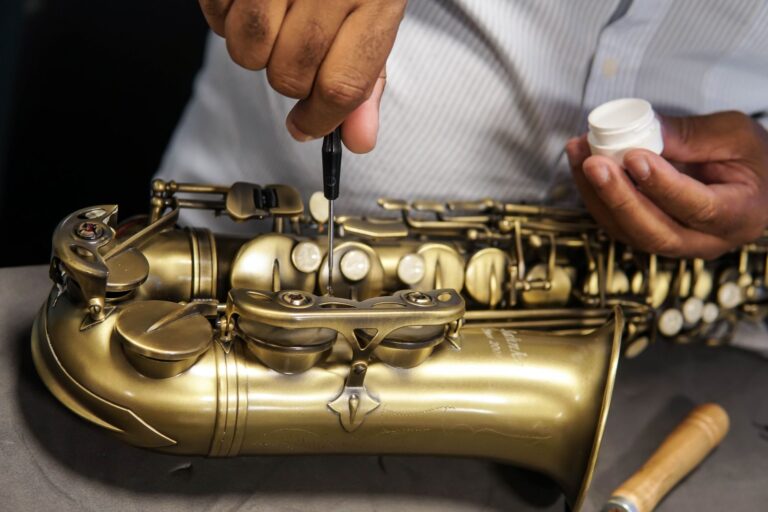
Mineral buildup on the transducer plate is the most common cause of new rattling sounds. Daily rinsing and weekly descaling preserve the original noise profile of any brand. A simple white vinegar soak for 20 minutes dissolves the calcium crust that distorts the diaphragm’s vibration, and a soft brush finish clears residue the soak leaves behind.
Water Choice and Filter Replacement
Filtered or distilled water reduces white-dust residue that can clog ultrasonic membranes. Tap water with high mineral content leaves a chalky film on the diaphragm within days, and that film changes the vibration pattern enough to add a faint buzz. Replacing wick filters on evaporative models every 30 to 60 days prevents the fan from working harder and growing louder.
A short nightly wipe-down of the tank base prevents the gurgling that wakes light sleepers. Standing water in the reservoir picks up biofilm quickly, and that film changes the surface tension of the water, which is what produces the telltale nighttime gurgle.
Final Thoughts
Ultrasonic technology, not brand loyalty, sets the ceiling for low-noise humidifier performance. Once that type is locked in, the brand decision reduces to tank size, room coverage, and how much you value features like app scheduling or nightlight color. A clean, distilled-water-filled Levoit, Pure Enrichment, or Crane unit on a rubber mat will outperform a neglected premium model every time, and the maintenance routine matters more than the price tag.
FAQ
Which humidifier is the quietest for bedroom use?
Ultrasonic models from Levoit, including the Classic 300S, regularly measure 26 to 28 dB on sleep mode, making them the quietest bedroom humidifiers most owners encounter. Pure Enrichment’s MistAire and several Crane models run within a few dB of that benchmark and cost less.
Are ultrasonic humidifiers quieter than evaporative ones?
Yes. Ultrasonic humidifiers have no fan and rely on a vibrating diaphragm, so they typically measure 25 to 30 dB. Evaporative humidifiers use a fan to pull air through a wick filter, which places them in the 35 to 45 dB range and makes them noticeably audible in a quiet room.
How many decibels is a quiet humidifier?
A quiet humidifier measures 30 dB or lower, with the best ultrasonic models reaching 26 to 28 dB. That range sits below conversational speech and roughly matches a soft whisper or rustling leaves, which is why most sleep specialists treat sub-30 dB as the bedroom-safe threshold.
Do quiet humidifiers work as well as louder models?
Yes, quiet ultrasonic models can actually outperform louder evaporative units in mist output per watt because they have no fan resistance. The trade-off is white dust from minerals, which distilled water largely eliminates without raising the noise level.
What humidifier won’t disturb light sleepers?
A sub-30 dB ultrasonic model with a sleep mode and dimmed display, such as the Levoit Classic 300S or Crane’s drop-style cool-mist units, is the safest pick for light sleepers. Placing it on a rubber mat at least three feet from the bedhead further reduces transmitted vibration.
Is a humidifier with a nightlight noisier than one without?
No. Nightlights on ultrasonic humidifiers use a separate low-power LED and do not affect the diaphragm’s vibration, so the noise level stays the same. Light from nightlights is more likely to disturb sleep than any added sound from the unit itself.