

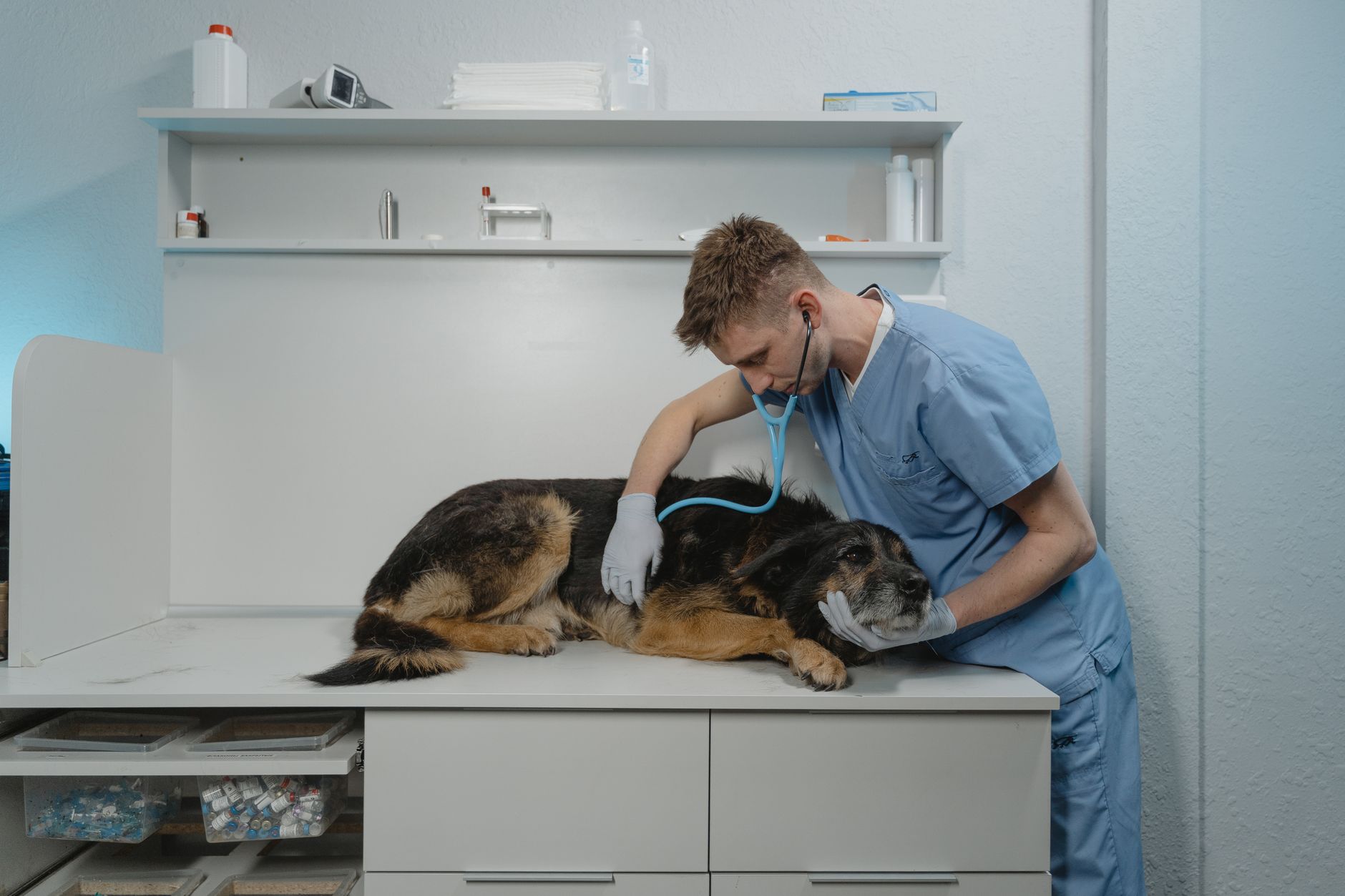

Veterinarians frequently recommend distilled water in a cool-mist unit positioned three to six feet from the resting area, with humidity held between 40 and 60 percent and the device cleaned daily. Added moisture loosens the thick mucus that clogs airways during a respiratory infection, so many dogs with kennel cough or cats recovering from a feline upper respiratory infection breathe more easily once humidity rises. Skip warm-mist models, essential oils, and medicated inhalants, since a single curious sniff of tea tree or menthol can send a cat into respiratory distress within minutes.
What follows covers choosing the right unit, placing it correctly, cleaning it without fail, and recognizing the warning signs that mean it’s time to call the veterinarian instead of running the machine another night.
Why Moisture in the Air Helps a Sick Pet Breathe Easier
Inside a pet’s nose, throat, and lungs, a thin layer of mucus traps dust, bacteria, and viral particles so cilia can sweep them out. When indoor air drops below 30 percent relative humidity, that mucus turns thick and sticky, and the cilia slow down. Added moisture thins the secretions, restores cilia movement, and helps the airway clear itself, which is why steamy bathrooms and humidifier rooms have been part of supportive pet care for decades.
Cool, moist air also calms the raw, swollen tissue lining the bronchial tubes during a bout of canine infectious tracheobronchitis (kennel cough) or feline herpesvirus-related upper respiratory infection. A dog that arrived at the clinic coughing every thirty seconds may settle into quiet, productive coughing within an hour of running a cool-mist humidifier nearby. The goal is comfort, not a cure: the device supports the pet’s own defenses while prescribed medication does the harder work.
The Limits of Home Humidity Therapy
Humidified air cannot kill Bordetella bacteria, clear a collapsed trachea, or replace oxygen therapy for a pet in respiratory distress. Run it as a complement to a veterinary diagnosis, never as a substitute. Most pets feel the difference within the first night of use, and that quick win is a useful signal that the rest of the treatment plan is moving in the right direction.
Cool Mist or Warm Mist: Choosing the Safest Type for Dogs and Cats
Cool-mist humidifiers are the safer pick for nearly every dog and cat because they disperse room-temperature vapor from a vibrating diaphragm or wicking filter, with no heating element or boiling water inside. A curious pet that knocks the unit over, bats at the spout, or chews the housing stays away from a scalding hazard. Warm-mist models heat water to steam, which means a tipped tank or a kitten curled against the housing can produce real burns in seconds.
| Feature | Cool Mist (Ultrasonic or Evaporative) | Warm Mist (Steam Vaporizer) |
|---|---|---|
| Burn risk if knocked over | None (room-temp water) | High (boiling water inside) |
| Noise level | Ultrasonic near-silent; evaporative soft hum | Low bubbling or gurgle |
| Mineral output | Can release fine white dust without distilled water | Boiling leaves most minerals behind |
| Best fit for | Dogs, cats, puppies, kittens, anxious pets | Adult humans in dry winter rooms (not pets) |
| Cleaning burden | Daily rinse, weekly deep clean | Same plus descaling the heating element |
Within the cool-mist family, evaporative models from Honeywell or Crane use a fan-and-wick system that pulls minerals out of the water before the vapor leaves, which can help if your tap water is hard. Ultrasonic units from Levoit run nearly silent, a real advantage for a sound-sensitive cat that startles at hums and clicks. Pair the quietest option you can find with a sealed tank, since an open reservoir invites a curious paw and a flooded floor.
Setting the Right Humidity Level and Placement Around the Pet
Aim for 40 to 60 percent relative humidity in the room where the pet rests, measured with an inexpensive hygrometer placed at nose height. Anything above 60 percent feeds dust mites and mold, both of which make respiratory symptoms worse. Anything below 30 percent keeps the mucus too thick to clear, and the coughing continues on schedule.
Placement That Keeps the Pet Safe
- Distance from the pet: Set the unit three to six feet from the bed or crate, close enough for the pet to breathe the moist air, far enough to avoid direct mist soaking the fur or bedding.
- Elevation matters: Place the humidifier on a high, stable shelf or dresser where a leaping dog or climbing cat cannot tip it over.
- Cord management: Tuck the power cord behind furniture or run it through a cord protector, since chewing a live wire is as dangerous as knocking over a steam unit.
- One room, not the whole house: Run the unit only in the pet’s primary resting space, which keeps humidity controlled, the tank easy to monitor, and electricity use low.
- Water type: Fill with distilled water to cut the white mineral dust that ultrasonic models release, since those fine particles can settle in airways and on furniture.
A hygrometer costs under ten dollars at any hardware store and prevents the most common home-care mistake, overshooting into a room that feels like a greenhouse. Mold colonies can establish within forty-eight hours once humidity climbs past 70 percent.
Additives to Keep Out of the Humidifier Around Pets
Plain water is the only safe fill. Cats especially lack the liver enzymes needed to metabolize terpenes and phenols, so aerosolized essential oils and medicated inhalants pose a different risk profile for pets than for people. A single session with peppermint or tea tree oil in the tank can cause a cat to drool, vomit, or develop tremors within minutes. The American Veterinary Medical Association and ASPCA both flag this exposure route as a recurring toxicity call.
Substances to Never Add to the Tank
- Essential oils: Tea tree, eucalyptus, peppermint, lavender, citrus, cinnamon, and wintergreen are toxic to cats and risky for small dogs, even at heavily diluted drops.
- Vapor rubs: Vicks VapoRub, mentholated chest rubs, and similar products contain camphor and menthol, which irritate pet airways and can trigger liver issues in cats.
- Medicated inhalants: Any product not explicitly prescribed by your veterinarian for inhaled delivery stays out of the machine, regardless of the “pet-safe” label on the bottle.
- Vinegar or hydrogen peroxide: Useful for cleaning the empty tank, but never for running mist, since the aerosolized droplets sting already-inflamed airways.
Pet-safe labeling on diffusers and humidifier additives is not regulated the way drug claims are, so trust the label only after your veterinarian has confirmed the specific product, dose, and delivery method for your pet’s species and weight.
Cleaning and Maintenance to Prevent Mold, Bacteria, and Biofilm
A dirty humidifier can seed the air with the very pathogens a sick pet is trying to fight. The tank interior, the mist nozzle, and any filter all develop a slimy layer called biofilm within a few days of standing water, and biofilm releases bacteria and mold spores every time the machine runs. The cleaning rhythm below keeps that layer from reaching the air your pet breathes.
Daily, Weekly, and Monthly Tasks
- Daily rinse: Drain the tank, rinse with cool tap water, and leave the cap off so the interior air-dries between uses.
- Twice-weekly deep clean: Soak the tank and base in a solution of one part white vinegar to two parts water for twenty minutes, scrub with a soft brush, and rinse thoroughly.
- Filter check: Replace wick or HEPA-style filters on the manufacturer’s schedule, more often if you notice musty odor or reduced output.
- Nozzle inspection: Wipe the mist opening with a cotton swab dipped in vinegar to clear mineral crust that would otherwise blow into the room.
- Storage dry: Between illness bouts, store the unit empty and dry in a closet, never with leftover water sitting for days.
A humidifier that smells sour, looks slimy inside, or leaves a white powdery film on nearby furniture is already contaminating the air. Take it out of service, deep-clean it, and replace the filter before running it again.
If that film returns faster than you can wipe it away, the unit itself is the problem and home fixes may no longer be enough.
When to Stop Home Care and Call the Veterinarian
Humidifier output should improve rest, loosen coughs, and shorten the visible misery of a respiratory infection. When the opposite happens, or when certain danger signs appear at any point, home care is no longer the right answer. Any one of the symptoms below is a reason to pick up the phone, not to run the machine longer.
Red Flags That Need a Same-Day Vet Visit
- Breathing changes: Open-mouth breathing in a cat, ribs visibly pulling with each breath, pale or blue gums, or breathing rate above forty breaths per minute at rest.
- Eating and drinking: Refusing food and water for more than twenty-four hours, since sick pets crash fast without fluids.
- Energy and fever: Lethargy that deepens after two or three humidifier sessions instead of lifting, or a nose and ears that feel hot to the touch.
- Symptom escalation: Coughing, sneezing, or congestion that worsens within an hour of starting humidifier use, which can signal a bacterial infection needing antibiotics.
- Pre-existing conditions: A pet with heart disease, collapsing trachea, or chronic bronchitis whose symptoms change suddenly, since their baseline shifts the threshold for emergency care.
A veterinarian diagnoses the underlying illness, prescribes the right medication, and confirms whether a humidifier fits the recovery plan. The device supports treatment, never replaces it, and a quick call to the clinic can save a pet a night of worsening symptoms that no amount of moisture can fix.
Bottom Line
A cool-mist humidifier running plain distilled water at 40 to 60 percent humidity, placed safely out of reach and cleaned on a strict schedule, is a safe, vet-aligned comfort measure for dogs and cats recovering from kennel cough, feline upper respiratory infections, and similar illnesses. The unit works as a complement to veterinary care, not a replacement, and the moment breathing worsens, appetite drops, or energy collapses, the next step is a same-day vet visit.
FAQ
Is a humidifier safe to use around a sick dog or cat?
Yes, a cool-mist humidifier running plain distilled water is safe for most dogs and cats when placed three to six feet from the resting area and kept clean. Skip warm-mist units, essential oils, and vapor rubs, and check with your veterinarian if your pet has a heart or chronic respiratory condition before starting.
What type of humidifier is best for a pet with a cold?
A cool-mist ultrasonic or evaporative humidifier is the safest pick because it has no heating element or boiling water inside. Ultrasonic models run nearly silent, which helps anxious cats, while evaporative models like those from Honeywell or Crane tend to release fewer mineral particles into the air.
Can a humidifier help a pet with kennel cough or an upper respiratory infection?
Yes, added moisture thins the thick mucus that drives the harsh, dry cough of kennel cough and the congestion of feline upper respiratory infections. The humidifier works as supportive home care alongside any antibiotics or antivirals your veterinarian prescribes for the underlying infection.
How close should a humidifier be placed to a sick pet?
Position the unit three to six feet from the pet’s bed or crate, on a stable elevated surface, with cords tucked out of chewing reach. Direct mist soaking the fur or bedding is unnecessary and can promote bacterial growth in damp fabric.
Should I add anything to the humidifier for my pet?
No, plain distilled water is the only safe fill. Essential oils, Vicks VapoRub, menthol rubs, and medicated inhalants are toxic to cats and risky for dogs, and the aerosolized form reaches deeper into the airways than the bottle label suggests.
When should I take my pet to the vet instead of using a humidifier?
Head to the vet for open-mouth breathing in cats, blue or pale gums, refusal to eat or drink for more than twenty-four hours, lethargy that deepens over time, or any sudden worsening of coughing, sneezing, or congestion. A humidifier cannot replace antibiotics, antivirals, or oxygen therapy when a pet truly needs them.