

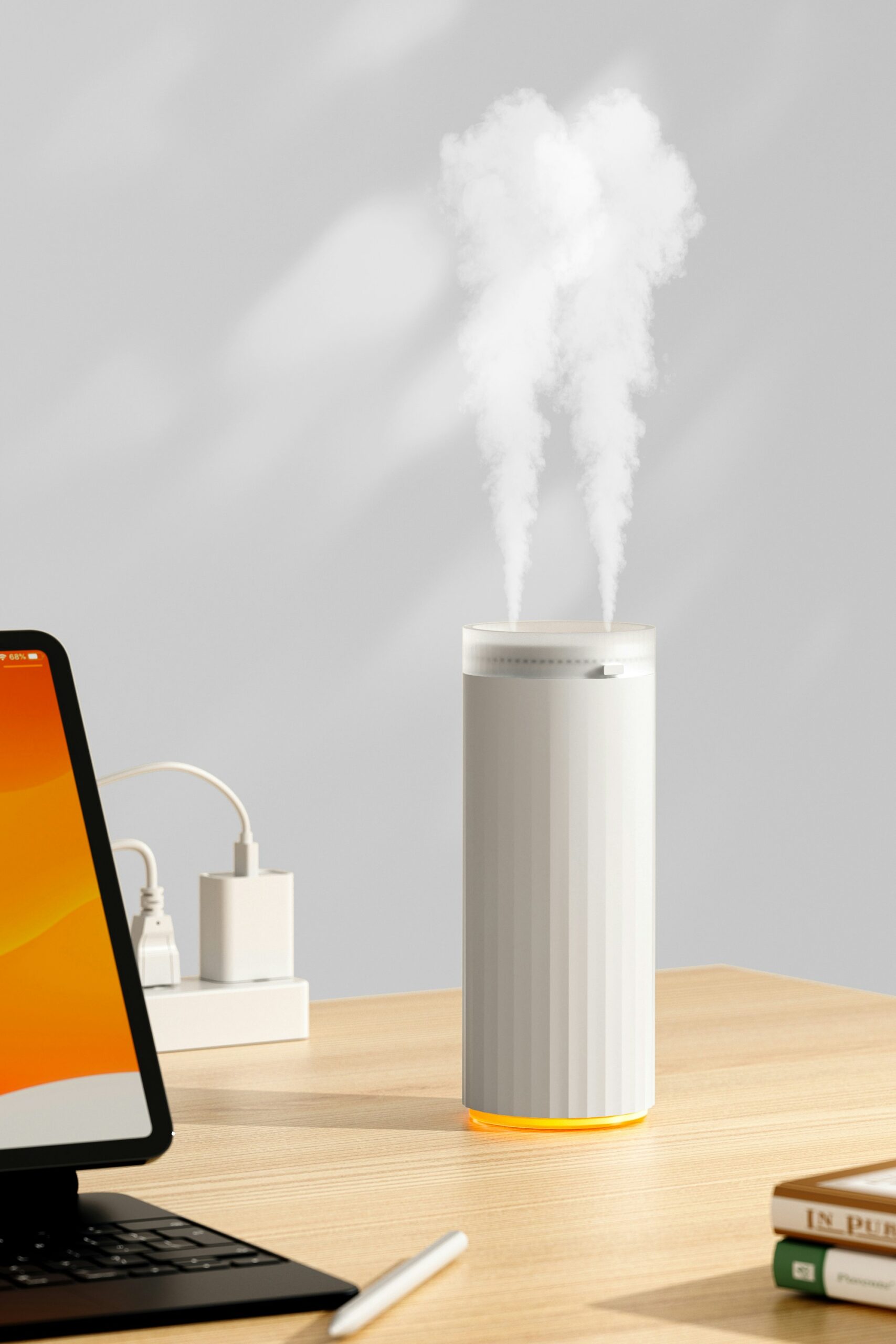

Yes, a humidifier can grow bacteria within 24 to 48 hours when water sits stagnant, turning the tank into an active microbial reservoir. Cool-mist and ultrasonic models carry the highest risk because the water never reaches a sterilizing temperature, and any pathogens inside get aerosolized directly into the air you breathe.
This guide explains how microbial growth takes hold in a humidifier, which symptoms point back to the unit, and a realistic daily-to-seasonal cleaning schedule that keeps your indoor moisture both comfortable and microbiologically safe.
Why Stagnant Water Turns a Humidifier Into a Hazard
A humidifier is built to push moisture into dry indoor air, but that same warm, dark, wet reservoir creates an ideal incubator for microorganisms. Once water sits for more than a day, bacteria, mold, and fungi multiply quickly on every interior surface.
Established colonies then get aerosolized into a fine mist that you and your household inhale with every breath. Children, elderly adults, and anyone with asthma or a compromised immune system face the highest exposure risk, a concern echoed in CDC and EPA guidance on indoor air quality.
Drain the tank, rinse it, and let it air-dry every single day. Skipping that one habit is what opens the 24 to 48 hour growth window.
How Biofilm Builds Inside a Humidifier Tank
A slimy film of microorganisms colonizes humidifier tanks in four predictable stages, starting within hours of the first fill. Knowing the timeline explains why a quick rinse never leaves the unit truly clean.
The Four Stages of Biofilm Formation
- Stage 1, Organic Settling: Dust, skin cells, tap-water minerals, and ambient microbes settle into the reservoir within hours of filling.
- Stage 2, Bacterial Colonization: Within two days, gram-negative bacteria such as Pseudomonas aeruginosa attach to wet plastic walls and start multiplying.
- Stage 3, Mold Anchoring: Mold spores germinate on damp interior surfaces, especially around heating elements, transducer plates, and corners where water pools.
- Stage 4, Mature Slime Layer: The biofilm thickens into a protective shield that resists rinsing and many household cleaners, constantly shedding bacteria and spores into the outgoing mist.
Why Scrubbing Beats Spraying
Biofilm acts like a fortress for microbial colonies, and spraying disinfectant onto an intact layer barely penetrates the surface. Physical scrubbing with a dedicated bottle brush is required to mechanically break the matrix open, and only then can white vinegar or a dilute bleach solution reach the bacteria underneath. Skipping the scrub means you are essentially polishing the outside of a contaminated sponge.
That same hidden layer of bacteria behaves differently depending on whether the unit heats water or simply disperses it as a cool mist.
Warm-Mist Versus Cool-Mist Humidifiers and Pathogen Risk
Not every humidifier carries the same microbial risk. The temperature of the water leaving the unit is the single biggest factor separating relatively safe operation from a high-risk setup.
Heat as a Sterilizer
Warm-mist humidifiers boil water before releasing it into the room, and that boiling step kills most bacteria and mold spores. The risk then shifts to the tank during cooling and refilling cycles, when survivors can re-colonize the water. Empty and dry the tank after every use to keep that residual risk low.
The Cool-Mist and Ultrasonic Problem
Fine room-temperature droplets laced with whatever lives in the tank are pushed directly into the air by cool-mist and ultrasonic units. Any microorganisms in the tank travel along for the ride, and three pathogens in particular thrive in the cooler temperatures of these models:
- Legionella pneumophila: the bacterium behind Legionnaires’ disease, documented in household humidifier outbreaks.
- Pseudomonas aeruginosa: a gram-negative bacterium linked to respiratory and sinus infections.
- Non-tuberculous mycobacteria: opportunistic organisms that can cause lung disease in vulnerable individuals.
Evaporative and Wick Models
Wick-style evaporative models sidestep the misting issue but carry their own contamination pathway through the saturated filter pad. The wick traps minerals, dust, and microbes in its fiber matrix, and a saturated filter becomes its own contamination source. Replace wicks on the manufacturer schedule, and never run a unit with a filter that smells musty or looks discolored.
| Humidifier Type | Water Temperature | Pathogen Risk Level | Key Maintenance Focus |
|---|---|---|---|
| Warm-mist (boiling) | ~212°F at output | Lower (sterilized steam) | Empty and dry tank between uses |
| Cool-mist (impeller) | Room temperature | High | Daily rinse, 3-day deep clean |
| Ultrasonic | Room temperature | High | Daily rinse, 3-day deep clean, distilled water |
| Evaporative (wick) | Room temperature | Moderate to high | Replace wick filter monthly or per schedule |
Health Symptoms That Trace Back to a Dirty Humidifier
When a humidifier starts spreading contaminated mist, the symptoms often look like a cold, allergies, or a flu that never quite goes away. Connecting the dots early can prevent weeks of unnecessary discomfort.
Common Warning Signs
- Humidifier fever: a flu-like illness with fever, chills, and body aches that improves the moment you leave the room, caused by aerosolized endotoxins from bacterial growth.
- Persistent cough or wheezing: especially at night when the unit runs for hours, often linked to mold spores or fine mineral dust in the mist.
- Recurring sinus infections: chronic post-nasal drip, facial pressure, and throat irritation that flare up every time the humidifier is turned on.
- Worsening asthma symptoms: increased inhaler use, chest tightness, or new allergic rhinitis symptoms appearing alongside humidifier use.
Severe but Documented Outcomes
Rare but serious outcomes include Legionnaires’ disease and hypersensitivity pneumonitis, most often seen in homes with immunocompromised residents, infants, or elderly adults. The EPA has flagged humidifiers as a potential indoor source of Legionella exposure, which is why persistent symptoms after a thorough cleaning warrant a conversation with a healthcare provider and a serious look at retiring the humidifier entirely.
Recognizing those symptoms early also shifts attention to what you put in the tank, since water quality quietly shapes everything downstream.
| Symptom Cluster | Most Likely Humidifier Cause | Recommended Action |
|---|---|---|
| Flu-like illness, relief when leaving room | Humidifier fever (bacterial endotoxins) | Stop use, deep clean, monitor symptoms |
| Nighttime cough, wheezing | Mold spores or mineral dust | Switch to distilled water, deep clean |
| Chronic sinus infections | Bacterial biofilm aerosolization | Replace unit if symptoms persist after cleaning |
| Asthma flare-ups | Mold, dust mites, or mineral aerosols | Check humidity level, change filters |
Choosing the Right Water for Your Humidifier
Your water choice directly shapes the dangers of dirty humidifier use, because every mineral in tap water becomes raw material for scale and biofilm anchoring. A simple decision framework helps you match the water type to your unit and your tolerance for buildup.
Tap Water Tradeoffs
A free pour from the kitchen tap delivers calcium, magnesium, and trace metals that bake into crusty scale and scatter as white dust across nearby furniture. That rough scale gives biofilm a permanent anchor point, and ultrasonic owners will notice the fine white plume in the air within hours of running the unit. In hard-water regions (above 7 grains per gallon), expect heavy scaling inside any humidifier within a week of unfiltered use.
Distilled and Demineralized Water
Stripping water down to nearly zero mineral content, distilled and demineralized options keep ultrasonic tanks cleaner and cut the white-dust fallout on surrounding surfaces. It costs about $1 per gallon at most grocery stores, and using it cuts biofilm anchoring surfaces by an order of magnitude. The trade-off is ongoing cost and the need to plan ahead so the tank never runs dry.
| Water Type | Mineral Content | Biofilm Anchoring Risk | Best Use Case |
|---|---|---|---|
| Tap water (soft, under 4 gpg) | Low to moderate | Moderate | Warm-mist units with daily cleaning |
| Tap water (hard, over 7 gpg) | High | High | Not recommended for ultrasonic or cool-mist |
| Distilled water | Near zero | Low | All humidifier types, especially ultrasonic |
| Demineralized water | Very low | Low | All humidifier types |
A Realistic Cleaning Schedule That Actually Prevents Growth
The CDC’s humidifier guidance is straightforward but unforgiving: drain and rinse daily, deep clean every three days, and replace filters on schedule. Most outbreaks traced back to home humidifiers involved units sitting with the same water for a week or more.
Daily Habits (2 Minutes)
- Empty the tank: dump any leftover water into the sink, never back into the reservoir.
- Rinse with clean water: a quick swirl removes loose biofilm before it can anchor.
- Air-dry completely: leave the tank open and upside down on a clean towel between uses.
Every Three Days: The Deep Clean
Disassemble the unit according to the manufacturer instructions. Scrub the tank, base, and any removable parts with a bottle brush and one of the following solutions:
- White vinegar: undiluted or mixed 1:1 with water for heavy scale.
- Dilute bleach: roughly one tablespoon of household bleach per gallon of water, rinsed thoroughly afterward until you can no longer smell bleach.
Allow the parts to air-dry fully before reassembling. That single 10-minute routine every three days is the most effective step you can take to prevent the dangers of a dirty humidifier from reaching your family.
Weekly and Monthly Checks
Inspect the base, transducer plate (on ultrasonic models), and any filter or wick for visible film, mineral scale, or pink or black discoloration. Honeywell, Vicks, and Crane all publish filter replacement schedules in their manuals, and following those intervals prevents the filter itself from becoming a contamination source. Hard water leaves white dust on surfaces; switching to distilled or demineralized water slows the buildup that creates rough surfaces where biofilm anchors.
Sticking to that schedule over months surfaces a harder question: when do cleaning habits stop being enough and the machine itself becomes the problem?
Long-Term Habits and the Moment to Replace the Unit
Prevention extends beyond the cleaning cycle. A few environmental and storage habits dramatically reduce microbial risk over the life of the unit.
Control Room Humidity
Keep indoor relative humidity between 30 and 50 percent with an inexpensive hygrometer. Above 60 percent, condensation forms on walls and windows, encouraging surface mold growth that feeds back into the humidifier’s intake air. A $10 hygrometer on the nightstand removes the guesswork.
End-of-Season Storage
Once the heating season wraps up, every component should come apart, get a thorough scrub, and air-dry fully before being tucked into a dry storage closet. Avoid damp basements and garages where dormant spores can colonize an idle unit. Wrap the parts in a clean cotton towel rather than plastic, which traps residual moisture.
When to Retire the Humidifier
Some warning signs mean no amount of cleaning will make a unit safe again:
- Persistent musty or earthy odor after a thorough deep clean.
- Pink or black slime that returns within a day of scrubbing, even with bleach.
- Visible cracks, etching, or cloudiness on plastic interior surfaces.
- Recurring respiratory symptoms in any family member that align with humidifier use.
Most consumer humidifiers from Honeywell, Vicks, and Crane are designed for a service life of a few seasons. Once seals, transducer plates, or plastic interiors become permanently etched or cracked, those microscopic crevices harbor bacteria no brush can reach, and replacement is the only safe option.
If anyone in your household develops a respiratory illness that improves away from home and flares up again in the bedroom, treat the humidifier as a suspect before treating the symptoms.
Bottom Line on Safe Humidifier Use
A clean, well-maintained humidifier can genuinely ease dry-air discomfort, but the same device turned loose with stagnant water becomes a delivery system for respiratory infections. Drain and refill every 24 hours, deep clean every three days, switch to distilled water if you own an ultrasonic unit, and retire any humidifier that smells off or shows persistent slime. Those four habits cover roughly 90 percent of the risk a home unit carries.
Frequently Asked Questions
Can a humidifier grow bacteria if it is not cleaned?
Yes. A humidifier can grow bacteria if it is not cleaned, and colonies typically establish within 24 to 48 hours of sitting with stagnant water. Once biofilm forms on interior surfaces, the unit aerosolizes those bacteria every time it runs.
What kinds of bacteria and mold grow inside humidifiers?
Common isolates include Pseudomonas aeruginosa, Legionella pneumophila, Staphylococcus species, and various gram-negative bacteria. Mold genera such as Aspergillus, Penicillium, and Cladosporium also thrive on damp interior surfaces, particularly around transducer plates and filters.
Is a dirty humidifier dangerous to breathe?
Yes. A dirty humidifier is dangerous to breathe because it releases aerosolized bacteria, mold spores, endotoxins, and mineral dust directly into your breathing zone. Long exposure is linked to humidifier fever, sinus infections, asthma flare-ups, and, in rare cases, Legionnaires’ disease.
What illnesses can you get from a dirty humidifier?
Documented illnesses include humidifier fever, Legionnaires’ disease, hypersensitivity pneumonitis, sinusitis, and bronchitis. Children, elderly adults, and people with asthma or weakened immune systems face the highest risk of severe outcomes.
How often should you clean a humidifier to prevent bacteria?
Drain, rinse, and refill the tank every 24 hours, and run a full deep clean with scrubbing every three days. Filters and wicks should be replaced on the manufacturer schedule, typically every one to three months depending on use.
Can you use tap water in a humidifier without bacteria growth?
Tap water itself does not introduce most pathogenic bacteria, but it does carry minerals that create rough scale where biofilm anchors. Using tap water in a warm-mist unit with daily cleaning is reasonable, while ultrasonic and cool-mist models perform best with distilled or demineralized water to limit scale and microbial anchoring.