

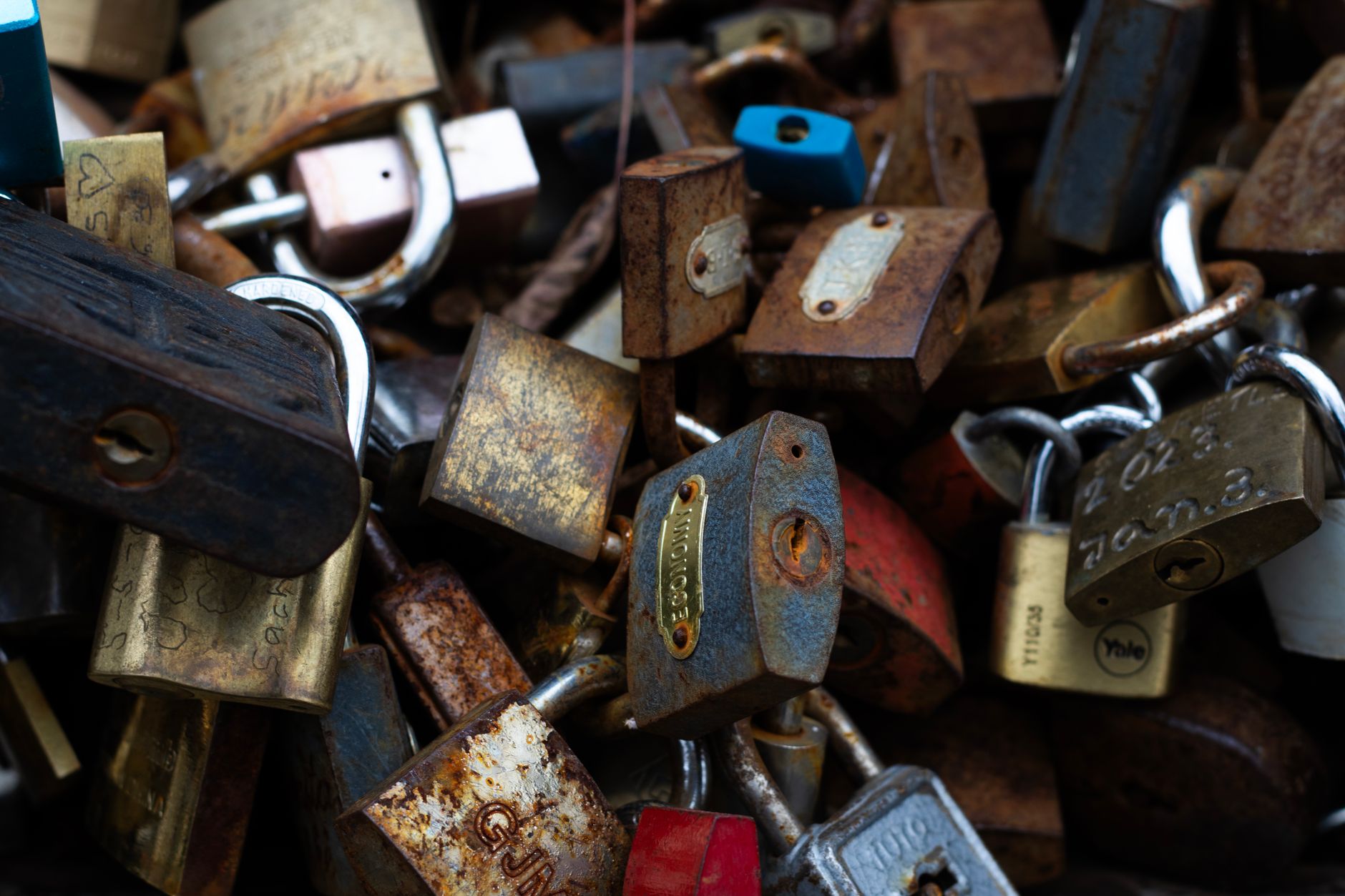

Pushing indoor relative humidity past roughly 60% lets a humidifier trigger the oxidation reaction that turns iron into orange iron oxide, especially on cool metal surfaces where vapor condenses. The moisture itself drives the chemistry, and any mineral content in the mist accelerates it by leaving conductive salt deposits on nearby surfaces. Carbon-steel knives, cast-iron pans, tool chests, and even some stainless-steel hardware can develop flash rust within days when a unit runs in a closed room with tap water.
This guide explains how to keep metal tools, knives, and décor safe while still using a humidifier, covering corrosion chemistry, the worst-offending metals, water choices, warning signs, and everyday prevention steps.
Why Humidifier Moisture Drives Corrosion on Iron-Based Metals
The Chemistry Behind the Orange Spots
Rust is an electrochemical reaction that needs iron, oxygen, and liquid water on a surface at the same time. The metal dissolves at one micro-site, oxygen gets reduced at another, and electrons flow between them through the moisture film. Remove any one of those ingredients and the reaction stalls, which is why a bone-dry steel knife can sit on a shelf for years without a single orange spot while the same knife near a running humidifier freckles within a week.
Relative humidity above roughly 60% gives the air enough water vapor to form a thin, persistent film on cool metal. Once that film exists, ions can move through it and the corrosion cell completes its circuit. ASHRAE guidance for indoor comfort sits between 30 and 50% relative humidity in winter, so most healthy homes run well below the danger zone, yet a humidifier left on its highest setting in a small bedroom can easily climb past 65% overnight.
Which Metals React and Which Resist
Steel, cast iron, and carbon-steel hand tools have no built-in defense against moisture-driven attack because their surfaces are essentially waiting for the right conditions. Aluminum, copper, brass, and stainless steel resist rust through their own protective oxide layers or chromium and nickel alloys, yet that resistance is not immunity. Aluminum pits, copper develops verdigris, and stainless steel can still show tea-staining and chloride-driven pitting under a steady combination of mist and minerals.
Which Metals and Household Items Sit in the Highest Risk Zone
Unprotected carbon-steel items corrode fastest. A set of kitchen knives in a wooden block, a hand plane on a workshop shelf, or the blade of a pair of garden shears can flash rust within days when a humidifier runs in the same room. The first sign is a faint orange haze along the edge, then a gritty film that darkens within a week if humidity stays elevated.
Metal furniture, decorative hardware, and structural brackets pick up condensation before anything else. Hinges on a jewelry box, the legs of a steel-and-wood side table, and the casters on a rolling cart all sit in microclimates where humid air pools against a cooler surface. The same pattern shows up on tool chests, filing cabinets, and the metal trim on wooden desks.
Electronics with exposed metal contacts are sensitive in a different way. Audio gear, vintage radios, electric guitar strings, and device charging contacts can develop verdigris or surface oxidation that interferes with conductivity. Even an invisible moisture layer is enough to start electrochemical migration on a circuit board. Major brands including Honeywell, Levoit, and Vicks publish guidance recommending that ultrasonic units sit at least three feet away from sensitive electronics for exactly this reason.
Stainless steel is not a free pass. Continuous exposure to humidifier mist that carries chloride salts can produce tea-staining and pitting, even on 304-grade kitchen appliances.
How Humidifier Type and Water Choice Shift the Rust Risk
Cool-Mist, Warm-Mist, and Evaporative Compared
Ultrasonic cool-mist models use a vibrating diaphragm to break water into a fine aerosol that a fan pushes into the room. The mist carries every mineral dissolved in the water, including calcium, magnesium, and chloride ions, and those particles land on nearby surfaces as a faint white film. That film is hygroscopic, so it pulls more moisture from the air and forms a persistent electrolyte layer that accelerates localized corrosion. Warm-mist and evaporative humidifiers boil or wick water through a filter, which strips some minerals and releases cleaner vapor, yet the moisture still raises ambient humidity into the risk zone if the room is small or poorly ventilated.
Tap Water vs Distilled vs Demineralized
The water you pour in matters as much as the machine. Hard tap water carries 100 to 300 parts per million of dissolved minerals, and chlorinated municipal supplies add chloride ions that hit stainless steel particularly hard. Distilled or demineralized water contains fewer than 10 parts per million of total dissolved solids, which means the mist leaves almost no conductive residue on metal surfaces and measurably slows rust formation. Crane and most other manufacturers now print this recommendation directly on the tank.
| Humidifier Type | Mineral Output | Corrosion Risk | Best Water Choice |
|---|---|---|---|
| Ultrasonic cool-mist | High (aerosolizes all dissolved solids) | Elevated | Distilled or demineralized |
| Warm-mist (boiling) | Low (boiling precipitates some minerals) | Moderate | Distilled for cleanest vapor |
| Evaporative (wick) | Low to moderate (filter traps some minerals) | Moderate | Tap water acceptable with regular filter changes |
| Impeller (rotating disk) | High (similar to ultrasonic) | Elevated | Distilled or demineralized |
Reading the Early Warning Signs of Humidifier-Related Rust
Orange or brown streaks on metal legs, shelf brackets, or the corners of a tool chest are the classic early signal. They usually appear on the side facing the humidifier, where the mist concentration peaks. A quick wipe with a dry cloth reveals whether the discoloration is surface-level or has started to pit the metal underneath.
A fine white powder settling on dark surfaces points to mineral-laden mist rather than pure water vapor. The powder feels faintly gritty between your fingers and matches the residue that builds up on the humidifier’s own components. The EPA flags this white dust as the most common complaint with ultrasonic units, and it doubles as the residue most likely to start a corrosion cell on adjacent metal.
Condensation beads on cold metal items, including window hardware, appliance trim, instrument cases, and the feet of a standing lamp, signal that humidity has crossed the dew point for that surface. Pitting or discoloration on electronics connectors and charging contacts shows up after weeks of heavy use, often as a dull haze that interrupts a connection or leaves a green ring around a charging port.
- Orange streaks on legs, brackets, and tool chests facing the unit
- White gritty dust on nearby dark surfaces, shelves, or screens
- Condensation beads on cold metal trim, hinges, and instrument cases
- Pitting or green haze on charging contacts, audio jacks, and circuit boards
- Tarnished strings on guitars, banjos, and other stringed instruments
Practical Steps to Prevent Rust While Keeping Indoor Air Comfortable
Running a small hygrometer in the same room as the unit gives you direct feedback on whether humidity has climbed into the corrosion range. Aim for 30 to 50% relative humidity, the band ASHRAE recommends for both respiratory comfort and minimal microbial growth. Prolonged readings above 60% are where the rust risk starts, and anything above 80% can produce visible corrosion on unprotected carbon steel within days.
Switching to distilled or demineralized water is the single most effective change for ultrasonic and impeller models. The tank lasts longer, the white-dust problem drops to nearly zero, and the mist that does land on metal surfaces carries almost no conductive residue. A gallon of distilled water costs a few dollars and prevents the chloride-driven pitting that even stainless steel can develop under continuous exposure.
Position the humidifier at least three to six feet from metal furniture, tool racks, and sensitive electronics. The mist plume is densest within the first few feet of the nozzle, and pushing the unit to the opposite side of the room from your valuables cuts the local deposition rate dramatically. A small shelf or side table works well, since it keeps the mist off the floor where it can settle into carpet and stay there.
Apply a thin protective coating to vulnerable metal surfaces. Paste wax, a light coat of camellia oil, or a spray of WD-40 Specialist White Lithium Grease creates a barrier that keeps moisture and oxygen off the iron underneath. Rust-Oleum makes a clear matte finish that works on tool chests and decorative hardware without changing the appearance. Reapply the coating every few months in a humid season, or anytime you wipe down the surface.
Those coatings only hold if the unit itself sits, runs, and breathes in a way that keeps moisture from pooling on nearby metal.
Pro tip: a $10 hygrometer saves a $300 tool chest. Watching the number keeps you in the safe band and tells you when to dial the humidifier down before the chemistry starts.
Placement, Maintenance, and Ventilation Habits That Cut Corrosion
Improving airflow shortens the time moisture lingers on any surface. A ceiling fan on low, an open doorway to an adjacent room, or a cracked window in mild weather all help disperse the mist before it condenses on a cold bracket or hinge. In a sealed bedroom, humidity can climb past 70% within a few hours on a high setting, and the same moisture that helps you breathe is working on your tools the whole time.
Clean the humidifier weekly to prevent biofilm and mineral buildup inside the tank and on the transducer. Manufacturers recommend a rinse with white vinegar or a dilute bleach solution (about one teaspoon per gallon) every seven days during heavy use. A clean unit releases fewer particles into the mist and runs more efficiently, which means you can run it on a lower setting to reach the same comfort level.
Lower the output setting in small or poorly ventilated rooms where humidity climbs past 60% quickly. Many Levoit and Vicks models include a built-in humidistat that shuts the unit off when the target humidity is reached. A dehumidifier in an adjacent space can balance things out if you need to keep the bedroom door closed. Inspect metal valuables seasonally and address any early rust spots with a mild abrasive such as a nylon scrub pad, followed by a fresh coat of protective finish.
For tools and instruments that spend time in cases, toss a small silica gel packet or a rechargeable desiccant pack into the storage area. The packet pulls stray moisture out of the enclosed air and keeps the local humidity well below the corrosion threshold even when the room itself reads higher. Replace or recharge the desiccant every few weeks during a humid season.
Bottom Line
A humidifier can absolutely cause rust on metal objects, but the problem is not the appliance itself. It is the combination of elevated humidity, mineral-laden mist, and unprotected iron-bearing metal sitting within a few feet of the nozzle. Hold indoor relative humidity between 30 and 50%, run the unit on distilled water, keep it away from valuables, and put a light protective coating on anything that cannot move. Those four steps preserve the comfort you bought the humidifier for and the metal you spent years collecting.
FAQ
Will a humidifier cause metal items to rust?
Yes, especially if you run the unit in a small, closed room with tap water. Relative humidity above 60% provides the moisture film that iron needs to oxidize, and ultrasonic models deposit chloride salts that accelerate the reaction on nearby metal surfaces.
What humidity level causes rust on metal?
Rust can begin forming once relative humidity climbs past roughly 60%, and unprotected carbon steel can show visible corrosion within days above 80%. Keeping the room between 30 and 50% relative humidity keeps the chemistry from getting started.
Does the type of humidifier affect rust risk?
Yes. Ultrasonic and impeller models aerosolize every mineral dissolved in the water, so the mist carries chloride salts and other conductive residues onto nearby metal. Warm-mist and evaporative units strip some minerals through boiling or wicking, which lowers but does not eliminate the corrosion risk in a small room.
Does tap water vs distilled water make a difference in rust formation?
It makes a large difference. Hard tap water carries 100 to 300 parts per million of dissolved minerals, while distilled or demineralized water holds fewer than 10 parts per million of total dissolved solids. The lower-mineral mist leaves almost no conductive residue on metal, which measurably slows rust formation on carbon steel and stainless steel alike.
Which metal items in the home are most at risk from humidifier use?
Unprotected carbon-steel items sit at the top of the list, including kitchen knives, hand tools, cast-iron pans, and garden shears. Metal furniture legs, tool chests, guitar strings, and the charging contacts on electronics are also vulnerable because they collect condensation or conductive mineral film within a few feet of the nozzle.
How can I prevent rust while still using a humidifier?
Run the unit on distilled water, keep relative humidity between 30 and 50%, and place the humidifier at least three to six feet from metal valuables. A thin coat of paste wax, camellia oil, or white lithium grease on vulnerable surfaces adds a second line of defense against oxidation.