


RV humidity has a way of sneaking up on you. A damp towel here, a foggy window there, and suddenly the air inside a 30-foot rig feels heavier than it should. Moisture builds fast in a sealed, sun-warmed space, and mold loves a fiberglass wall. The right compact dehumidifier pulls that moisture out before it settles into cushions, curtains, or storage compartments. This lineup covers options sized for the RV lifestyle, from quiet Peltier units to compressor models that can handle a parked rig in muggy weather.
The Leading Options At A Glance

PLUSCENT 21 Pint Dehumidifier for Basement and Home

PSOS 98 OZ Dehumidifier for Home with Humidity Display

FreAire 34Pint Dehumidifier for 2500Sq.Ft

QFOX 2000 Sq.Ft Rotary Dehumidifier for Home

TABYIK 35 OZ Dehumidifier for Bedroom RV (Grey)

TABYIK 35 OZ Dehumidifier for Bedroom RV (Blue)
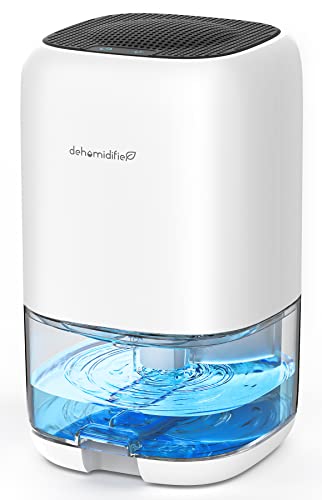
TABYIK 35 OZ Dehumidifier for Bedroom RV (White)
A Deeper Look At The Lineup
The PLUSCENT pulls double duty as a home unit and an RV workhorse for full-timing travelers. It runs a 160-watt compressor cycle rather than a Peltier chip, which means stronger moisture extraction in warm, sticky conditions, exactly what a summer trip through the Gulf Coast demands.
Rated for spaces up to 1,500 square feet, it can handle a Class A coach with slide-outs deployed. The included drain hose means you can set it up near a sink or low point and walk away, a real convenience when you’re on the road and not in the mood to babysit a tank. Compared to the PSOS in the next slot, this one trades quiet operation for raw pulling power.
Strong Points
- Compressor-based extraction handles genuinely humid air without choking
- Continuous drain option removes the daily tank-emptying chore
- Wide coverage footprint suits larger RVs and park model setups
- Energy draw stays modest for the output it delivers
Trade Offs
- Bulkier and heavier than Peltier-style units, harder to stow between trips
- Compressor noise during operation may bother light sleepers
- Filters require periodic cleaning to keep airflow strong
Key Product Details
Who Will Love This
Full-time RVers and snowbirds who camp in humid regions and want a set-and-forget moisture solution.
Swap It Out When
Light weekend travelers should consider the TABYIK 35 OZ for a quieter, lighter footprint that sips battery power.
The PSOS uses dual semiconductor condensation, a Peltier-style design that trades raw power for whisper-quiet operation. Its 98-ounce tank means longer stretches between dumps, and the built-in humidity display gives you a real reading rather than guesswork.
The 7-color ambient light is a small touch, but the practical value is the dual-mode operation: a strong mode for active dampness and a quiet mode for nighttime. In a 1,000-square-foot space, it pulls its weight without sounding like a small refrigerator. Versus the PLUSCENT, it’s noticeably quieter but won’t match the extraction rate in extreme humidity.
Noteworthy Benefits
- Front-facing humidity display removes the guesswork from runtime decisions
- Dual semiconductor setup runs cool and quiet, suitable for sleeping areas
- Auto shut-off protects the unit when the tank reaches capacity
- Generous 98-ounce tank stretches emptying intervals
Points To Keep In Mind
- Peltier extraction slows in cooler RV interiors below 60°F
- No continuous drain option, so long trips require tank checks
Feature Card
Made For
RVers who want a quiet bedroom unit with clear humidity feedback rather than blind operation.
Look Elsewhere When
Travelers in consistently high humidity should consider the FreAire 34Pint for stronger daily extraction.
The FreAire is the muscle pick of the group, built around a 12-liter daily extraction that targets bigger, damper environments. It uses a compression system rather than Peltier cooling, so it works through genuinely humid air without losing efficiency.
The 6.56-foot drain hose is a thoughtful touch for RV use: it reaches a sink, a gray tank port, or a low drain point with no contortion. For fifth-wheels and park models with extended living space, this is the workhorse option. Compared to the PSOS, it pulls more moisture per day and handles tougher conditions, but you’ll give up the silent operation.
A Favorable Mix
- 34-pint daily extraction handles the worst humidity swings
- Long drain hose simplifies unattended setup
- 2,500 sq. ft. capacity covers the largest RVs and even park models
Room For Improvement
- Heavier and louder than Peltier units, better suited to daytime runs
- Power draw is higher, something to consider for boondocking setups
- Filters need regular cleaning, especially in dusty environments
Best Suited To
Full-time travelers and large coach owners in consistently humid climates who need serious extraction muscle.
A Better Fit Elsewhere
Travelers prioritizing silence should look at the TABYIK 35 OZ Dehumidifier for Bedroom RV, which runs in a much quieter comfort zone.
The QFOX takes a different route with desiccant rotary technology, a method that doesn’t rely on condensation coils at all. Instead, a moisture-absorbing wheel pulls dampness from the air, and that wheel gets dried by a heating element. The result is strong performance even in cooler RV interiors where compressor and Peltier units struggle.
For shoulder-season camping in the Pacific Northwest, the Smoky Mountains, or anywhere overnight temperatures dip, the rotary approach keeps working. The 2.5-liter tank and included drain hose give you flexibility in how you manage water output. Where the PLUSCENT wins on raw humidity grunt, the QFOX wins on temperature flexibility.
What Works In Its Favor
- Rotary technology works in cooler temperatures that stall compressor units
- Dual management with a 2.5L tank and drain hose
- Sleep mode keeps operation gentle through the night
- 2,000 sq. ft. rating covers mid-size coaches comfortably
Some Limits To Know
- Desiccant wheels eventually need replacement, adding a maintenance step
- Slightly warmer exhaust air than Peltier units
Quick Facts
Right Fit For
RVers who travel in cooler shoulder seasons and need a unit that doesn’t slow down when temperatures drop.
Consider Something Else When
Hot, humid Gulf or tropical travel suits the FreAire 34Pint Dehumidifier better, since its compressor cycle thrives in those conditions.
The TABYIK Grey is the quietest option in the lineup, rated at just 28 dB, roughly the level of a soft whisper. For a bedroom slide-out or a rig where you sleep within a few feet of the unit, that low noise floor matters more than peak extraction numbers.
The 280-square-foot rating makes it a clear fit for a single room, like a bedroom, office nook, or small living area, rather than an open-concept coach. The 7-color ambient light is a touch some users love and others disable; either way, it doesn’t affect performance. Energy draw stays under 1 kWh per day, easy on battery and inverter systems.
Features That Help
- 28 dB operation barely registers in a sleeping space
- Auto shut-off prevents overflow when the tank fills
- Low power draw, friendly to off-grid setups
- Compact footprint fits nightstands, counters, and tight shelves
Honest Caveats
- Limited to 280 sq. ft., too small for open-concept coaches
- Peltier technology tapers off in cold conditions
Whose Shelf It Belongs On
RV sleepers who want moisture control without the background hum of a compressor or larger Peltier unit.
Reach For A Different Pick When
Anyone needing to cover an entire coach should consider the PSOS 98 OZ, which handles a much wider footprint.
The Blue version of the TABYIK 35 OZ shares the same core platform as the Grey unit, with identical performance specs and noise rating. The difference is purely cosmetic, a navy-style housing rather than a neutral grey, which matters more than it sounds in a coordinated RV interior.
Functionally, you get the same 280-square-foot coverage, the same 7-color ambient light, and the same auto shut-off. The under-1 kWh daily draw makes it a strong fit for boondockers relying on battery or solar setups, where every watt counts.
Positive Points
- Same whisper-quiet 28 dB rating as the Grey model
- Color option blends with darker RV interior themes
- Lightweight and easy to reposition between trips
- Auto shut-off adds a layer of unattended safety
Where It May Fall Short
- Coverage ceiling at 280 sq. ft. limits whole-coach use
- Performance dips in cooler RV interiors, expected for Peltier tech
Perfect Match For
Travelers who want the same low-noise performance as the Grey version but prefer a darker housing for visual fit.
Where Another Pick Suits Better
Anyone needing broader coverage for an open-plan rig should consider the PLUSCENT 21 Pint Dehumidifier for a much wider extraction footprint.
The White TABYIK rounds out the trio with the same proven 35-ounce platform in a clean, neutral housing. It carries the same quiet operation, the same modest power draw, and the same 280-square-foot ceiling, packaged for travelers who prefer a brighter, lighter visual in their space.
For a small travel trailer or a weekend rig, this is the kind of “set it and forget it” unit that handles overnight dampness without fuss. It won’t replace a compressor unit in a Class A, but it covers the bedroom and bath area where most moisture complaints start.
Reasons It Performs
- Compact and light, easy to stow between trips
- Quiet enough for bedroom placement
- Low energy draw, gentle on battery banks
- White finish blends with most RV interior palettes
Practical Considerations
- Best for single-room use, not whole-coach coverage
- Cooler temperatures reduce extraction efficiency
Who Should Grab It
Weekend travelers and small-trailer owners who want a quiet, low-draw unit for the bedroom area.
Skip It When
Anyone running a larger coach in tough humidity should reach for the FreAire 34Pint, which extracts far more moisture per day.
Factors Worth Weighing Before Picking A Small Dehumidifier For Your RV
Coverage area sets the first boundary. The smallest Peltier units in this list handle roughly 280 square feet, fine for a single room but short of an open coach. Compressor and rotary options push past 1,500 to 2,500 square feet, which is closer to a full Class A layout. Match the rating to the space you actually need to dry, not the size of the label on the box.
Extraction technology changes how a unit performs in real conditions. Peltier designs use semiconductor cooling, they run quietly and sip power, but they slow down when the air gets cold. Compressor systems use refrigerant cycles, like a small air conditioner, and they pull more moisture per day in warm, sticky air. Desiccant rotary wheels use a moisture-absorbing material that gets dried by a heating element, and they keep working in cooler temperatures that stall the other two. The right pick depends on where and when you camp.
Power draw matters for off-grid setups. A Peltier unit pulling under 1 kWh per day can run for stretches off a battery bank. Compressor units pull more, and a sustained draw on an inverter will eat into runtime. Drain options shift the maintenance picture: tank-only units need regular emptying, while a drain hose lets you run the unit unattended for days.
Noise and footprint round out the practical side. A bedroom-rated unit at 28 dB is a different experience than a compressor humming in the same space. Size affects where the unit can live: a countertop Peltier fits almost anywhere, while a compressor unit needs floor space and airflow around it.
Key Considerations Across These Picks
Wrong Turns To Avoid
Buying a unit rated for a much larger space than you need wastes power and adds bulk. Going too small leaves you emptying tanks constantly, or worse, leaves moisture untouched. RV humidity also behaves differently from home humidity because the space is smaller, tighter, and more affected by body heat, cooking, and breathing in a sealed environment. Match the unit to the room, not the brochure. Another common miss: ignoring the temperature range where you camp. A Peltier unit in a 50°F rig will barely extract anything.
Where The Extra Money Goes
Higher-tier models in this category usually pay for stronger extraction hardware, wider coverage, drain hose support, and quieter fans. The jump from a basic Peltier unit to a compressor model buys raw pulling power for genuinely humid climates. Moving up to a desiccant rotary system buys temperature flexibility for shoulder-season camping. The honest read is that the upgrade only pays off if your camping style actually demands it. A weekend tripper in mild weather gets plenty from a quiet Peltier unit, while a full-timer in the Deep South needs the compressor grunt.
Frequently Asked Questions
How big of a dehumidifier do I actually need for an RV?
A small Peltier unit in the 280-square-foot range covers a bedroom or bath area. For a full coach, look at compressor or rotary options rated 1,000 square feet and up, since open floor plans need the extra reach.
Are dehumidifiers safe to run overnight in a small RV?
Yes, the units in this list include auto shut-off when the tank fills, and they draw modest power. Compressor units will be audible, while Peltier models at 28 dB stay nearly silent.
Do RV dehumidifiers use a lot of battery power?
Peltier models typically stay under 1 kWh per day, light on battery draw. Compressor units pull more, and running one through an inverter overnight will noticeably reduce battery reserves.
Can I drain the water directly into my gray tank?
Many units ship with a drain hose that can route into a sink, shower drain, or gray tank port. Continuous drainage removes the daily tank-emptying step and supports unattended operation.
What temperature range works best for these units?
Peltier designs work best above 60°F. Compressor units handle warm, humid air well. Desiccant rotary models keep extracting even in cooler temperatures, which is useful for shoulder-season camping.
Wrap Up
The right dehumidifier for an RV depends on the size of the space, the climate you camp in, and how much power you can spare. Quiet Peltier units cover bedrooms and small trailers, while compressor and rotary models handle larger coaches and tougher humidity. Pick the one that fits your rig and your travel style, and you’ll come back to a dry, comfortable interior every time.