


Humidity is the kind of problem that sneaks up on a home. One week the bathroom mirror fogs a little longer, the next the basement smells like an old towel and the closet is starting to feel sticky. The right room dehumidifier pulls that excess moisture from the air, and the six models below cover very different jobs, from a small bedroom unit to a 2,500-square-foot basement workhorse and a specialty rod for gun safes. Each one solves a specific kind of damp, so matching the room to the unit matters more than chasing a spec sheet.
The Choices Worth Comparing

PSOS 98 OZ Dehumidifier for Home (1000 sq.ft)

FreAire 34Pint Dehumidifier for 2500Sq.Ft
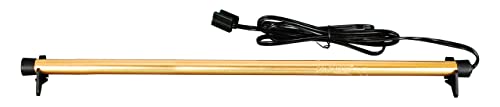
Lockdown Golden Rod Dehumidifier 12″-36″

QFOX 2000 Sq.Ft Rotary Dehumidifier
Dravonic 2,000 Sq.Ft Dehumidifier with Drain Hose
Dravonic 1500 Sq.Ft 21-Pint Dehumidifier
More On The Choices That Made The List
The PSOS unit is the kind of compact thermoelectric dehumidifier (a quiet, low-heat technology that works best in small enclosed rooms) that fits naturally on a bedroom dresser or bathroom shelf. Its 98-ounce tank and 1,000-square-foot rating target everyday apartments, dorm rooms, and small basements where the damp is more of a comfort problem than a structural one.
Dual semiconductor condensation modules keep the noise floor low, which matters when the unit is running a foot from your pillow. The built-in humidity readout, auto shut-off when the tank fills, and a seven-color ambient light (purely cosmetic) round out the package. In most bedrooms this is plenty of machine, and the gray housing looks restrained next to the louder plastic finishes common in this class.
Positive Points
- Whisper-quiet semiconductor operation keeps bedrooms peaceful overnight
- Auto shut-off prevents overflow when the 98 oz tank is full
- Visible humidity display lets you confirm the room is actually drying out
- Compact gray housing fits on shelves without dominating the room
- 1,000 sq. ft rating handles most bedrooms and home offices comfortably
Trade Offs
- Thermoelectric design pulls less moisture per day than a compressor unit like the FreAire, so larger basements may never feel truly dry
- Emptying the 98 oz tank becomes a chore in very damp rooms, where it fills in less than a day
Key Product Details
Right Fit For
Renters and apartment dwellers who want a low-noise bedroom unit and don’t need to dry out a full basement.
Skip It When
A finished basement or large open-plan space is your main concern. The Dravonic 2,000 Sq.Ft Dehumidifier is built for that workload.
Step up from a semiconductor unit and you land in compressor territory, and the FreAire 34Pint is one of the more ambitious entries in that class. A real refrigerant compressor (a system that cools coils to condense water from the air, like a small AC) extracts up to 34 pints per day under humid conditions, and the 2,500-square-foot rating covers most full basements or combined living areas. The included 6.56-foot drain hose is the real headline, since it lets you route condensate to a floor drain or sump pump and skip emptying the tank entirely.
Compared with the PSOS unit above, this is a fundamentally different animal: louder, more powerful, and happier running all day in a finished basement. You trade silence for actual moisture removal, which is exactly the trade many homeowners need to make. The digital humidity control and adjustable target range let you dial in something like 50% RH and let the machine cycle on its own.
Practical Pluses
- 34-pint-per-day removal rate handles genuinely damp basements and crawl spaces
- 6.56 ft drain hose enables continuous drainage, no tank emptying
- Adjustable humidity target cycles the compressor to hold a set level
- 2,500 sq. ft coverage suits most full-size finished basements
Points To Keep In Mind
- Compressor noise is significantly higher than the PSOS semiconductor design, so bedrooms directly above the unit may notice the hum
- Cooler rooms (under 65°F) can cause coil icing without an auto-defrost function, which can limit winter performance in unheated basements
- The unit is large and heavy, so pick a permanent spot before you fill it with water
Made For
Homeowners tackling a persistent musty basement or a large open living area who want set-and-forget drainage instead of daily tank emptying.
Consider Something Else When
Noise is a real concern, since the Dravonic 1500 Sq.Ft 21-Pint Dehumidifier is built around a 40 dB quiet mode that suits sleeping spaces much better.
The Lockdown Golden Rod is not a room dehumidifier in the usual sense. It’s a heated rod packed with vermiculite (a heat-retaining mineral filler) that gently warms the air inside an enclosed space, and that small temperature bump is enough to push relative humidity down and stop rust, mildew, and condensation. The 24-inch model runs on a standard 110-120V outlet and protects up to 300 cubic feet, which is roughly the size of a full-size gun safe.
Why include it in a room list? Because hunters, gun owners, and anyone storing optics, documents, or leather in a closet know that room-scale units are overkill for a 12-cubic-foot cabinet. Plug it in, leave it alone, and the rod does its work silently with no moving parts. Against the FreAire’s 2,500-square-foot reach, this is a very different scale of intervention.
A Few Strong Suits
- Heated vermiculite rod runs silent with zero moving parts or fans
- 24-inch length fits standard full-size safes and large cabinets
- Standard 110-120V plug and 6 ft cord simplify placement
- Protects up to 300 cu. ft of enclosed space from rust and mildew
Honest Caveats
- Designed for enclosed cabinets, not living areas, so it has no place in a bedroom or basement
- Slow, gentle action means it won’t rescue a safe that already has visible rust
- Continuous power draw adds a small amount to your electric bill since it never cycles off
Whose Shelf It Belongs On
Gun owners, reloading hobbyists, and anyone storing optics, ammo, or leather in a closed safe or cabinet where rust and mildew are the real threats.
Reach For A Different Pick When
You need humidity control in any open room. The QFOX 2000 Sq.Ft Rotary Dehumidifier is a much better fit for cool bedrooms, RVs, or finished basements.
The QFOX stands out for using desiccant rotary technology (a wheel-based drying system that absorbs moisture without refrigerant and works well in cool air) instead of a refrigerant compressor. That choice pays off in unheated basements, three-season rooms, and RVs where compressor coils would ice up. The rated 2,000-square-foot coverage and 2.5-liter tank let it handle a full bedroom or mid-size basement, and a drain hose port lets you set up continuous drainage if the room allows.
Where the PSOS uses gentle semiconductor heat and the FreAire uses a brute compressor, the QFOX sits in between: more extraction than a Peltier unit, less noise than a full compressor, and genuine cold-room performance. The seven-color ambient light is again a bedroom-friendly touch, and a sleep mode quiets the fan for overnight runs.
What Makes Sense
- Desiccant rotary design keeps working in cool rooms where compressors ice up
- Drain hose port allows unattended operation in basements and RVs
- Sleep mode lowers fan noise for overnight bedroom use
- 2,000 sq. ft rating covers most bedrooms and mid-size basements
Trade-Offs To Consider
- Desiccant wheels generate more dry-air heat than a compressor, so a small bedroom can warm up a few degrees
- Smaller 2.5 L tank fills faster in very humid rooms without the drain hose attached
Best Suited To
Anyone drying a cool basement, garage, or RV where a compressor unit would struggle, and who values quiet over maximum pints per day.
Where A Sibling Pick Shines
The FreAire 34Pint Dehumidifier pulls more moisture per day in warm, open basements and is the better match when raw extraction speed is the priority.
The Dravonic 2,000 sq. ft unit leans hard into the user-experience side of dehumidification. A real-time digital display shows the exact humidity percentage in the room, and you can set a target anywhere from 30 to 80 percent RH (relative humidity, the percentage of moisture the air can still hold). Once that target is set, the compressor cycles on and off to hold the line without constant babysitting. The included drain hose keeps the unit running unattended in basements where daily tank emptying isn’t realistic.
Compared with the FreAire, the Dravonic trades a little peak extraction for tighter humidity targeting and a clearer readout. In a finished basement where you want the air to sit at a steady 50 percent rather than simply “wetter or drier,” that control loop is the real differentiator.
Benefits That Matter
- Real-time humidity percentage display confirms the unit is actually doing its job
- Adjustable 30-80% RH target with automatic cycling holds a consistent comfort level
- Drain hose enables continuous operation in basements with a floor drain
- 2,000 sq. ft rating suits most finished basements and large living areas
Small Caveats
- Compressor noise is noticeable in a quiet basement and louder than the Dravonic 21-pint quiet mode sibling below
- Owners commonly report needing to let the unit run for 24-48 hours before a damp basement truly stabilizes
Who It Suits Best
Homeowners who want measurable, dialed-in humidity control in a finished basement rather than just “less damp” air.
Not Your Match When
Bedroom placement is the goal. The Dravonic 1500 Sq.Ft 21-Pint Dehumidifier is engineered around a 40 dB quiet mode that disappears into background noise.
Quiet compressor dehumidifiers are rarer than they should be, and the Dravonic 1500 leans into that niche. A real refrigerant compressor pulls up to 21 pints per day, while a dedicated 40 dB quiet mode brings the sound down to roughly the level of a soft fan. Auto-defrost keeps the coils clear as the room cools, so the unit keeps working through chilly shoulder seasons where other compressors would ice up and stall.
You also get dual drainage options, a built-in hose port plus the internal tank, and a child lock to keep the controls from being a toy. Against the bigger FreAire, the Dravonic trades raw capacity for a noticeably quieter experience, which is the right call for shared living spaces or bedrooms that double as home offices.
What Pays Off
- Genuine 40 dB quiet mode keeps the unit bedroom-friendly
- Auto-defrost lets it keep extracting in cool basements without stalling
- Dual drainage options (internal tank plus hose port) fit different room layouts
- 21-pint compressor extraction outperforms small thermoelectric units
- Child lock prevents accidental control changes in family spaces
Points To Note
- 1500 sq. ft coverage is smaller than the Dravonic 2000 sibling, so very large open basements may need two units
- 21 pints per day is a step behind the FreAire’s 34-pint ceiling in extreme humidity
Core Features
Perfect Match For
Anyone who wants real compressor extraction in a room where noise matters, including bedrooms, nurseries, and home offices above the basement.
Swap It Out When
You’re drying a 2,500 sq. ft open basement and want the highest pints-per-day number on this list. The FreAire 34Pint Dehumidifier wins that contest.
What Matters Most Before Choosing Room Dehumidifiers
Match The Technology To The Room Temperature
Compressor dehumidifiers (the FreAire, both Dravonic units) work best above roughly 65°F and pull the most moisture per day in warm, humid air. Thermoelectric units (the PSOS) run quiet and cool but extract far less, which is fine in a small bedroom and underwhelming in a basement. Desiccant rotary units (the QFOX) keep working in cool rooms where compressors ice up, which is the real reason to choose them for unheated basements, garages, and RVs. Pick the technology that matches the air temperature where the unit will actually live, not the room you wish you had.
Size Capacity To The Square Footage And The Dampness
Manufacturers rate coverage in square feet and extraction in pints per day, and the two numbers tell different stories. A 1,000-square-foot rating on a thermoelectric unit is a soft ceiling, while a 2,000-square-foot rating on a compressor unit usually reflects real-world performance. A genuinely musty basement needs a compressor with a drain hose, not a small semiconductor unit, even if the room technically fits the smaller rating.
Decide How You Will Handle The Water
A built-in tank is fine for a bedroom where the unit runs a few hours a day, and a 2.5-liter tank on a basement unit will fill overnight in heavy damp. A drain hose port, which both Dravonic units and the FreAire include, is the difference between a set-and-forget installation and a daily chore. Homes with a floor drain or sump pump nearby should pick a unit with continuous drainage and skip the tank worries.
Look For Controls You Will Actually Use
A digital humidity readout and a target-RH setting, like the Dravonic 2000 offers, turn the dehumidifier from a “drier or wetter” toggle into a tool you can set to 50% and forget. Quieter compressor modes, sleep timers, and child locks each solve a different small annoyance, so match those extras to the room rather than the spec sheet. The right controls make a noticeable difference in how often the unit actually runs.
Key Considerations Across These Picks
Wrong Turns To Avoid
A common slip is buying a thermoelectric unit for a damp basement because the square-footage rating looks generous on paper. The PSOS handles a bedroom beautifully and stalls in a basement, and no amount of repositioning fixes that. Another trap is ignoring water handling. A 2.5-liter tank in a 70% basement fills overnight, and a unit without a drain hose port will quietly shut off and stay off until someone notices. Match the machine to the room, and confirm where the water actually goes.
When Paying More Pays Off
The jump from a small semiconductor unit to a real compressor with a drain hose, like the FreAire or the Dravonic 21-pint, is the clearest upgrade path in this category. You trade silence and a small footprint for measurably better extraction, automatic humidity control, and unattended drainage. In a finished basement, that upgrade is often the difference between a room you enjoy and a room you avoid. In a bedroom, a quiet-mode compressor like the Dravonic 21-pint is the smarter spend than chasing a bigger tank.
Frequently Asked Questions
How many pints per day do I actually need?
For a moderately humid bedroom, 10-20 pints per day is plenty. For a damp basement, plan on 25-35 pints, which is where compressor units like the FreAire earn their keep.
Can one dehumidifier cover multiple rooms?
A single unit works best in one enclosed space, since humidity migrates slowly through doorways. Open layouts need a unit rated for the combined square footage, like the Dravonic 2000 or the FreAire.
Do I need a drain hose?
A drain hose is highly recommended for any basement or large room where the tank would fill daily. Bedroom and small-room use can usually rely on a built-in tank with auto shut-off.
Are compressor dehumidifiers loud?
Standard compressor noise is comparable to a refrigerator hum. Units with a dedicated quiet mode, like the Dravonic 21-pint, drop closer to 40 dB, which is closer to a soft fan.
Where should I place a dehumidifier?
Set the unit in the center of the dampest room, several inches from walls and furniture, with the air intake unobstructed. Keep it away from heat sources and avoid corners where airflow gets trapped.
Final Verdict
The right room dehumidifier is the one that matches the room’s temperature, size, and water-handling realities. Quiet semiconductor and desiccant models like the PSOS and QFOX shine in bedrooms, cool basements, and RVs. Compressor units like the FreAire, Dravonic 2000, and Dravonic 21-pint pull serious moisture from larger spaces, and the Lockdown Golden Rod handles a different job entirely inside a closed safe. Pick the unit that fits where the damp actually lives, set a target humidity, and let it run.