


A stale, musty humidifier won’t help anybody breathe easier. Mineral scale, biofilm, and grime quietly build up inside the tank and on the filters, then get pushed back into the room as vapor. The right cleaning routine, paired with the right cleaning product, keeps humidity output healthy and extends the life of the unit itself. The picks below cover whole-house panels, wood stove steamers, CPAP water chambers, and modern ultrasonic humidifiers with wash-friendly builds, so you can match the right solution to the right machine.
A Closer Look At The Lineup

AprilAire 45 Water Panel Humidifier Filter Replacement for Whole-House Models 400, 400A, 400M (Pack of 2)

Dampp Chaser Piano Humidifier Pad Treatment 16 Oz Bottle

INNO STAGE Wood Stove Steamer, Cast Iron Humidifier, 2.5 Quart, Red
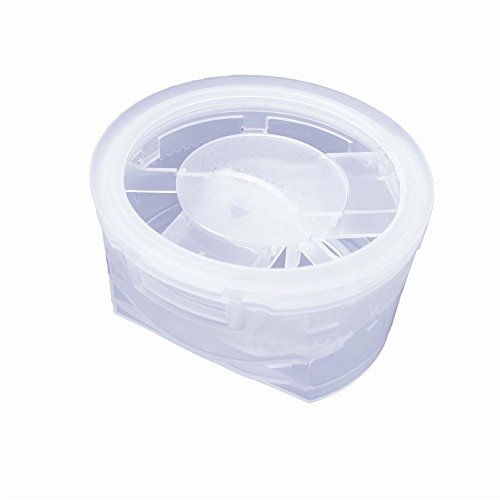
Fisher & Paykel Water Chamber for ICON Series Heated Humidifier
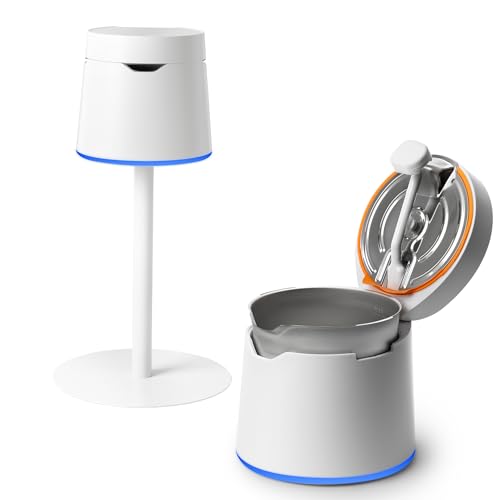
Carepod One Plus with Stand Stainless Steel Humidifier, 3 Washable Parts, 1Gal/4L

Carepod One Stainless Steel Humidifier, 3 Washable Parts, Filter-Free, 1Gal/4L

Carepod Cube Plus X50V Stainless Steel Humidifier, Warm/Cool Mist, 1.1Gal/4.2L
The Details Behind The Selections
If your home runs on a forced-air furnace with a built-in AprilAire humidifier, the water panel is the part that quietly does the work. This genuine replacement panel fits Models 400, 400A, and 400M, and it arrives as a two-pack so you can rotate one in now and keep the next on the shelf.
The panel itself is a heavy-duty paper mesh reinforced with two aluminum layers, which gives it a stiffer feel than generic replacements and helps the water spread evenly as warm air passes through. For most households running heat through the winter, swapping the panel once per season keeps humidity output consistent and the evaporator from clogging.
The Helpful Details
- Two-pack format covers a full year of use, depending on water hardness and runtime
- Aluminum-reinforced paper holds shape under continuous warm airflow
- Genuine AprilAire part, sized exactly for Models 400, 400A, and 400M
- Drop-in installation, no tools or plumbing changes required
Points To Note
- Hard-water households may still see faster mineral loading on the panel
- Not a cleaning product on its own; pair with a routine descale for the distribution tray
Key Product Details
Right Fit For
Homeowners with an AprilAire 400-series whole-house humidifier who want a no-fuss annual panel swap.
Consider Something Else When
You don’t own a forced-air system with an AprilAire 400, in which case the Carepod One Plus covers a room-sized unit instead.
Piano humidifiers live in a different world from room units. The Dampp-Chaser system sits inside the instrument, feeding moisture up through the soundboard, and the pads and watering tube need a treatment that keeps mineral scale from choking the flow. This 16-ounce bottle is made for exactly that job.
One capful per reservoir fill is all it takes, and the formula is built to slow the white crust that hard water leaves behind on pads and inside the tube. For anyone with a Dampp-Chaser-equipped upright or grand, the bottle tends to last across multiple refill cycles.
Where It Delivers
- Slows mineral buildup on the pad and inside the watering tube
- Tiny dose per fill, so a 16-ounce bottle stretches over many refills
- Helps maintain steady moisture output, which is what the soundboard actually needs
Trade Offs
- Only relevant if you already own a Dampp-Chaser piano system
- Doesn’t replace a periodic deep-clean of the pad housing
Quick Facts
Best Suited To
Piano owners with a Dampp-Chaser pad system who want to extend pad life and keep the watering tube clear.
Look Elsewhere When
You’re outfitting a living-room space rather than an instrument, in which case the INNO STAGE Wood Stove Steamer is the better fit.
Wood stoves dry a room out faster than almost any other heat source, and the INNO STAGE steamer is built to push humidity back in the old-fashioned way: with cast iron, a wide-mouth top, and zero electricity. The enamel-coated body sits on top of the stove, heats up with the surface, and releases a steady wisp of moisture as the water warms.
At roughly 2.5 quarts, it holds enough water to last an evening’s burn without constant refilling. The red enamel finish gives it a stove-friendly look that doesn’t clash with traditional hearth setups, and the cast iron weight keeps it planted as the stove heats up.
Bright Spots
- Passive operation, no cords, no fans, no controls to learn
- Cast iron core holds heat and releases steam steadily through the burn
- Wide top opening makes refilling and cleaning straightforward
- Enamel coating resists rust under repeated heating cycles
Worth Noting
- Cast iron body is heavy to lift off the stove for refills
- Hard-water owners will see mineral film inside the pot over time
Feature Snapshot
Made For
Anyone heating a room with a wood stove and looking to add humidity without plugging anything in.
Skip It When
You want a smart, app-ready room unit, in which case the Carepod Cube Plus X50V brings a different feature set to the table.
CPAP humidifier chambers are a small but important piece of the nightly routine. The Fisher & Paykel replacement chamber is the disposable OEM (original equipment manufacturer) water tank for the ICON series heated humidifier, sized at 420 milliliters, and it drops straight into the unit without modification.
Because the chamber is dishwasher safe, the cleaning routine stays simple, though it cannot be fully disassembled, so a soft brush is the practical tool for the inside. For anyone running an ICON, the genuine replacement eliminates the guesswork of whether a third-party chamber will seal properly.
Notable Upsides
- OEM part designed for the ICON series heated humidifier
- 420 ml capacity covers a full night of therapy
- Dishwasher-safe body simplifies the weekly clean
Practical Considerations
- Cannot be disassembled for deep cleaning of internal crevices
- Marketed as disposable, so replacements are part of the long-term cost
Core Details
Who Will Love This
ICON series CPAP users who want a manufacturer-spec replacement chamber they can toss in the dishwasher.
Reach For A Different Pick When
You need whole-room humidity rather than a CPAP-specific chamber, where the Carepod One Plus covers the bedroom scale instead.
The Carepod One Plus is the upgraded sibling of the original Carepod One, and the difference shows up in two places: a stainless steel tank and a built-in mood light. The stand lifts the unit off the floor or shelf, which keeps it from drowning the wood surface below in case of a slow drip.
What ties this to the cleaning conversation is the three-part teardown. Instead of forcing a bottle brush into a cramped opening, the tank splits into a few hand-washable pieces that can be scrubbed or boiled for a deeper clean. The one-gallon reservoir delivers roughly 30 hours of cool-mist runtime, depending on output level, which is a meaningful step up from a standard bedroom unit.
What Earns Its Place
- Stainless steel body holds up to repeated boiling and hand-washing
- Three-piece teardown makes a full clean realistic, not a chore
- Included stand keeps surfaces dry and adds placement flexibility
- 30-hour runtime means fewer refills for large rooms
- Mood light adds a soft nursery-friendly glow
Some Limits To Know
- Larger footprint than the standard Carepod One
- Higher upfront cost than basic cool-mist plastic units
Perfect Match For
Parents and large-room dwellers who want a quiet, low-maintenance unit with a cleanable build and a runtime that lasts more than a day per fill.
A Better Fit Elsewhere
You prefer warm mist and want built-in sanitization, in which case the Carepod Cube Plus X50V is the closer match.
The original Carepod One is what most people picture when they think “easy to clean” in the humidifier world. The stainless steel tank splits into three hand-washable pieces, and the boil-to-clean option lets you drop the components in a pot of boiling water for a deeper reset, which is a real benefit for households with hard water or allergy concerns.
It’s filter-free, so there’s no recurring cartridge to buy, and the one-gallon tank covers about 30 hours per fill at standard output. The ultrasonic (high-frequency vibration that creates a fine water mist) cool-mist action stays quiet enough for a bedroom, and the simple control layout keeps the learning curve short.
Practical Pluses
- Three-part design means every internal surface is reachable for scrubbing
- Boil-to-clean option resets the tank without specialty chemicals
- Filter-free operation eliminates a recurring replacement cost
- One-gallon tank runs roughly 30 hours on a single fill
Where It May Fall Short
- No warm-mist setting for users who prefer heated output
Whose Shelf It Belongs On
Bedroom and nursery owners who want a quiet, filter-free humidifier they can actually keep clean with a few minutes of weekly attention.
Another Choice May Suit
You need a stand-mounted build for a large room, where the Carepod One Plus fills that role.
The Cube Plus X50V is the most feature-loaded of the Carepod lineup, and the additions earn their place. The unit produces both warm and cool mist from a 1.1-gallon tank, runs for about 32 hours per fill, and covers rooms up to 700 square feet, which puts it in whole-home territory rather than just bedroom-scale.
Cleaning is where this model pushes the category forward. The one-touch built-in sanitization cycle heats the internal components to kill buildup, on top of the hand-washable stainless pieces. Three mist settings, auto-humidity sensing, and auto shutoff round out the controls. It’s the option to reach for when you want the humidifier to manage itself in between deep cleans.
What Works In Its Favor
- Built-in heat sanitization reduces manual deep-cleaning frequency
- Warm and cool mist in one unit covers seasonal preferences
- Auto-humidity and auto shutoff prevent over-humidification in tight rooms
- 32-hour runtime handles large spaces without daily refills
- No replacement filters to keep stocked
Honest Caveats
- More expensive than the simpler Carepod One
- Larger body needs a clear surface or shelf to sit on
- Sanitization cycle uses extra power compared to a passive unit
Built With In Mind
Households that want the easiest possible maintenance cycle, and are happy to pay for the warm-mist and auto-sanitization upgrades.
Where A Sibling Pick Shines
You mainly need a small-bedroom unit and don’t need warm mist, where the Carepod One delivers the same cleaning story at lower cost.
What To Weigh Before Choosing Humidifier Cleans
Match The Cleaner To The Machine
The first move is matching the product to the type of humidifier you own. Whole-house panels like the AprilAire 45 rely on consumable filters rather than scrubbing, so the “clean” routine is a seasonal swap. Piano pad systems use a liquid treatment to slow mineral buildup. Ultrasonic room units need a washable, ideally boilable tank to stay sanitary. Picking the right category for your machine keeps you from buying the wrong tool.
Prioritize Easy Disassembly
A humidifier is only as clean as the parts you can actually reach. Units that split into a few large pieces, like the Carepod One with its three-part teardown, are far easier to keep hygienic than models with a single fixed reservoir. A wide-mouth opening and a boilable tank give you options beyond a bottle brush and a prayer.
Mind Your Water Quality
Hard water leaves mineral film on tanks, panels, and stove-top steamers alike. If your supply runs hard, expect more frequent cleaning cycles, and consider a treatment product for systems that support it, like the Dampp-Chaser bottle for piano pads. Stainless steel tanks tend to resist scale better than plastic over time, though no material is immune.
Runtime Shapes Maintenance Load
Larger tanks run longer between refills, which means fewer fill events and fewer chances to introduce bacteria. A 30- to 32-hour runtime, like the Carepod One Plus or Cube Plus, gives most households two to three days between touches. Smaller tanks need daily attention, which adds up across a winter.
Key Considerations Across These Picks
Pitfalls Shoppers Hit
The most common mistake is buying a humidifier with a non-removable tank, then watching scale and biofilm build up in places the user can never reach. Another trap is grabbing a generic filter that claims to fit, only to find it lets unfiltered air bypass the evaporator. Sticking with OEM panels and verifying the tank fully disassembles solves both problems before they start.
Where The Extra Money Goes
Higher-tier humidifiers in this list, particularly the Carepod Cube Plus X50V, earn their cost through features that reduce hands-on maintenance. Built-in heat sanitization, auto shutoff, and auto-humidity sensing cut down on the weekly ritual of scrubbing and refilling. For households that don’t want the humidifier to become a side project, that automation is the meaningful upgrade.
Frequently Asked Questions
How often should a humidifier be cleaned?
Most manufacturers recommend a light rinse every few days and a deeper weekly clean, with the exact cadence depending on water hardness and runtime.
Can vinegar replace a dedicated humidifier cleaner?
Diluted white vinegar works for scale on many surfaces, though stainless steel tanks and CPAP chambers often have specific guidance worth following from the manufacturer.
Do filter-free humidifiers still need maintenance?
Yes. Filter-free models like the Carepod One still need the tank washed and, depending on the unit, periodically sanitized to prevent biofilm.
What causes white dust around a humidifier?
Mineral dust is released when ultrasonic units aerosolize hard water, and switching to distilled water or a unit designed for mineral handling reduces the residue.
How long do whole-house humidifier panels last?
Most homeowners swap panels once per heating season, though hard water and heavy runtime can shorten the interval to a few months.
Wrap Up
Clean air starts with a clean humidifier, and the right product depends entirely on the machine it serves. A whole-home panel swap, a piano treatment bottle, a passive wood stove steamer, and a stainless steel ultrasonic unit each solve a different problem. Pick the option that matches your setup, stick to a realistic cleaning rhythm, and your humidifier will quietly do its job for seasons to come.