


The right air setup changes how a room feels, especially when pollen spikes, wildfire smoke drifts through, or pets leave a fine haze on every surface. You’re not chasing a gadget; you’re trying to breathe easier at home, and the category is crowded with look-alike cylinders that promise similar results. This guide narrows seven Blueair models down by room size, filtration depth, and how quietly they run, so you match a unit to the space you actually use.
The Picks In Brief
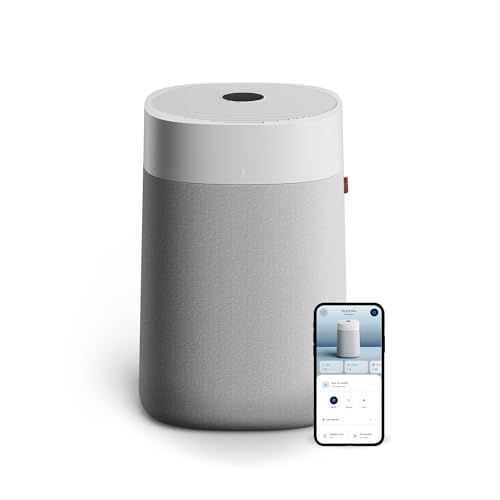
BLUEAIR Blue Pure 211i Max Smart Air Purifier (3,235 Sq Ft)

BLUEAIR Blue Pure 311i Max Smart Air Purifier for Medium Rooms

BLUEAIR Blue Signature SP3i Air Purifier (2,250 Sq Ft)

BLUEAIR Blue Pure 511 Air Purifier for Small Rooms (432 Sq Ft)
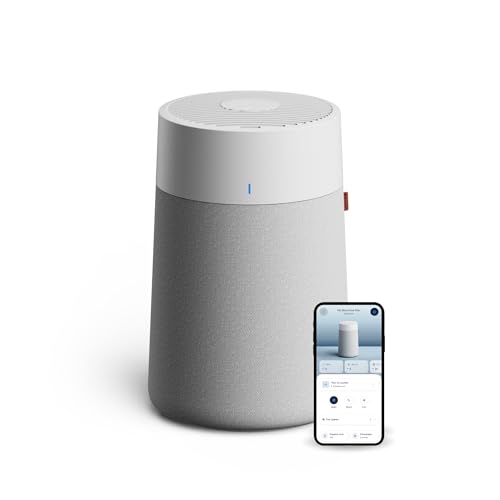
BLUEAIR Blue Pure 511i Max Smart Air Purifier (1,138 Sq Ft)

BLUEAIR Blue Signature Small Smart Air Purifier (1,190 Sq Ft)

BLUEAIR Blue Signature Air Purifier for Large Rooms (3,385 Sq Ft)
More Details On Our Top Picks
Big rooms with high ceilings stress a purifier fast, and this is the unit Blueair builds for that workload. The 211i Max is rated to refresh air in spaces up to roughly 3,235 square feet within an hour, which puts it well past anything else in this lineup for raw throughput. You also get HEPASilent dual filtration, a combined electrostatic and mechanical filter setup, plus WiFi and an auto mode that ramps the fan up when particulate counts rise.
Compared to the medium-room 311i Max coming next, the trade-off is footprint and price; this thing is taller and heavier, and it earns its space in a corner or beside a console. The honest read is that owners with open-plan living areas and a couple of shedding pets get the most from it.
Benefits That Matter
- Throughput that handles great rooms and lofts in a single pass, no need to babysit it room to room.
- HEPASilent dual filtration captures fine particles like smoke, dander, and dust without the louder fan you get from pure-HEPA rivals.
- WiFi plus auto mode let the unit react to actual air quality instead of running flat out all day.
- Pre-filter wrap is washable, which stretches ownership costs in homes with heavy pet hair.
Trade Offs
- The cylindrical body takes up noticeable floor space in smaller rooms, so measure before committing.
- Replacement main filters are an ongoing cost, and heavy daily use in smoky regions tends to shorten the change interval.
Key Specs
Who It Suits Best
Homeowners with open-concept living areas, multiple pets, or recurring wildfire smoke exposure who need serious throughput from a single unit.
Where Another Pick Suits Better
For a quieter bedroom setup under 1,200 square feet, the BLUEAIR Blue Pure 511i Max is a smarter, smaller fit.
Step down from the 211i Max and you land at the 311i Max, Blueair’s middle-of-the-road smart purifier rated for rooms up to about 2,107 square feet per hour. The cylindrical form is the same look you’ll see across the Blue Pure line, just sized for apartments, primary bedrooms, and home offices rather than great rooms. Inside, the same HEPASilent dual filtration and WiFi auto-mode logic carry over.
This is the model that makes sense for households that don’t have a 3,000-square-foot open floor plan but still want app control and quiet fan curves. The auto mode tends to settle into a low hum once the room is clean, which you may find matters more than peak CADR when the unit lives next to a bed.
The Helpful Details
- Right-sized for typical bedrooms and dens without paying for capacity you’ll never use.
- Auto mode keeps fan noise low once particulate readings drop, a real plus in sleep spaces.
- Pre-filter fabric wraps are machine washable, so a dusty season doesn’t mean an instant filter swap.
Worth Noting
- You give up meaningful coverage versus the 211i Max, so it underperforms in wide, open spaces.
- Replacement main filters are a recurring cost that adds up faster in homes with active pets or smokers.
Feature Snapshot
Made For
People in apartments or medium homes who want smart control, dependable filtration, and a quiet bedroom-ready fan curve.
Skip It When
You have a true open-plan living area, in which case the BLUEAIR Blue Signature for Large Rooms is a better coverage match.
The Signature SP3i is Blueair’s table-design purifier for medium rooms, and it leans into filtration depth more than the Blue Pure line. It runs a 7-stage HEPASilent setup and is AHAM verified, which gives you a published CADR figure rather than just a square-foot claim. The table-top shape also makes it easier to perch on a credenza or nightstand than the tall cylinders.
Coverage lands at about 2,250 square feet per hour, so it competes head-to-head with the 311i Max in raw room size but beats it on filtration layers and odor handling. Owners in homes with cooking smells, pet odors, or wildfire smoke intrusions tend to gravitate here for the extra stages.
Everyday Wins
- 7-stage HEPASilent filtration adds activated carbon depth for odors and smoke, not just particles.
- AHAM verified ratings give you a published CADR number, which is rare in this category.
- Table-design footprint fits where a tall cylinder would feel intrusive.
Room For Improvement
- More filtration stages can mean a higher replacement filter cost over the unit’s life.
- Coverage sits in the same band as the cheaper 311i Max, so you pay more for the stages, not the room size.
Right Fit For
Allergy-prone households or anyone dealing with stubborn odors and smoke who wants the strongest filtration stage count in a medium-room body.
Consider Something Else When
You only need particle control in a smaller bedroom, in which case the BLUEAIR Blue Pure 511i Max covers the basics for less.
Compact air purifiers live or die on noise, and the Blue Pure 511 sits at the low end of the lineup in the best way. It’s rated to refresh a 180-square-foot room in about 12.5 minutes and a 432-square-foot space in around half an hour, with HEPASilent dual filtration and a quoted 24 dB floor on the lowest speed. The form factor is small enough to live on a dresser or shelf without dominating a nursery corner.
Skip past the coverage numbers and you get the same washable pre-filter wrap you’ll see on the bigger Blue Pure units. Compared to the smart-enabled 511i Max, this one trades WiFi and auto mode for a friendlier price, which matters for first-time shoppers or anyone outfitting a kid’s room.
What Works In Its Favor
- Lowest noise output in the lineup at around 24 dB on the lowest setting, so it doesn’t fight sleep.
- Compact body fits nurseries, small bedrooms, and home offices without rearranging furniture.
- HEPASilent dual filtration in a small-room price band, rare in this category.
Some Limits To Know
- No WiFi or auto mode, so you set fan speeds manually instead of letting the unit react.
- Coverage tops out fast, and it will struggle to keep up in any room larger than a standard bedroom.
- Replacement main filters are still required, just like the larger Blue Pure models.
Spec Overview
Best Suited To
Parents setting up a nursery, small-bedroom renters, and anyone who values a quiet fan curve over smart features.
Not Your Match When
You want app control and auto adjustments in a similarly small body, in which case the BLUEAIR Blue Pure 511i Max is the better call.
The 511i Max is the small-room Blue Pure with grown-up smarts. It keeps the compact form factor of the 511 but adds WiFi, an auto mode, and a higher coverage rating of about 1,138 square feet per hour. You also get the HEPASilent dual filtration that runs through the rest of the Blue Pure family.
For connected-home households, the draw is the app and auto behavior. The unit ramps up when particulates rise and quiets down again, which most owners in mixed-use apartments seem to appreciate. It’s a meaningful step up from the simpler 511 if you want schedules, remote control, and integration with the rest of your smart setup.
A Favorable Mix
- Smart features in a small-room body, rare at this size.
- Auto mode keeps the fan quiet once air quality stabilizes.
- HEPASilent filtration holds fine particles without driving noise up.
- Washable pre-filter wrap cuts down on disposable waste.
Honest Caveats
- App setup adds a step that some shoppers would rather skip.
- Coverage still falls short for true open-plan living areas.
Who Will Love This
Small-space dwellers who want app control, schedules, and a quiet fan curve in the same compact unit.
Another Choice May Suit
You run a large, open home, and the BLUEAIR Blue Pure 211i Max handles the airflow you actually need.
The Signature Small pairs Blueair’s 7-stage HEPASilent filtration with a compact form factor built for dorms, studios, and small bedrooms. Coverage runs around 1,190 square feet per hour, which is a touch higher than the 511i Max and lands it in the same small-room tier. The trade-off is the footprint: it sits on a surface rather than towering over one.
Where this unit separates itself from the 511i Max is filtration depth. The 7-stage setup is more aggressive on odors and VOCs, not just particulates, so it tends to appeal to renters dealing with cooking smells drifting in from neighbors or street pollution filtering up from a busy road.
Bright Spots
- 7-stage filtration in a small body, useful for cooking odors and street pollution.
- Compact footprint suits studio layouts and tight desks.
- WiFi and app control built in for schedule-based operation.
Points To Keep In Mind
- More filtration stages mean higher long-term filter costs.
- Coverage is best in small rooms, not in larger living areas.
- Smaller fans can take longer to clear strong, sudden odors from cooking.
Perfect Match For
Studio and apartment renters who need smart control plus serious odor and smoke handling in a small frame.
Look Elsewhere When
You need coverage for a true open-plan home, and the BLUEAIR Blue Signature for Large Rooms is the stronger pick.
The Signature for Large Rooms is the top-coverage model in this roundup, rated to refresh around 3,385 square feet per hour. It runs the same 7-stage HEPASilent filtration as the smaller Signature units, with WiFi and auto mode layered on top. In plain terms, it’s the model to consider when one open-plan space needs to handle cooking, pets, and entryway dust at the same time.
Versus the Blue Pure 211i Max, the draw here is filtration depth and the AHAM verified badge. The trade-off shows up in price, since 7-stage replacement filters cost more than the dual-stage Blue Pure replacements. Owners who don’t deal with strong odors can usually live with the 211i Max instead.
Positive Takeaways
- Highest published coverage in the lineup, around 3,385 square feet per hour.
- 7-stage HEPASilent filtration tackles smoke, dust, dander, and allergens in one pass.
- Smart WiFi with auto mode handles speed changes without daily fiddling.
Trade-Offs To Consider
- Replacement filter cost runs higher than 2-stage Blue Pure models, so total ownership adds up.
- The unit is large, so it needs floor space you may not have in a smaller home.
- At its highest fan speed, the noise level can compete with conversation in a quiet room.
Quick Facts
Who Should Grab It
Households in large homes with open layouts, recurring smoke exposure, or multiple pets who want one unit to do the whole space.
Reach For A Different Pick When
Your living area is more medium-sized, since the BLUEAIR Blue Pure 311i Max will be plenty while costing less to own over time.
What To Weigh Before Choosing A Humidifier And Air Purifier
Start With The Room, Not The Spec Sheet
The honest first step is to measure the space you actually want treated, then add a margin for ceiling height, open doorways, and kitchen air mixing in. Manufacturers list coverage in square feet, but those numbers assume standard eight-foot ceilings and a closed room, which most living spaces aren’t. A unit rated for 1,000 square feet can feel underpowered in a real 1,000-square-foot great room with a kitchen island and a hallway.
This is why the lineup splits into clear tiers. The 511 and 511i Max handle nurseries, small bedrooms, and home offices. The 311i Max, SP3i, and Signature Small are right-sized for typical bedrooms, dens, and apartments. The 211i Max and Signature for Large Rooms are the picks when you have a true open-plan living area, and the rest of the roundup can leave you under-cleaning.
Filtration Type And What It Actually Catches
HEPA-Style Filtration (the standard most shoppers know) forces air through a fine mesh and captures particles down to about 0.3 microns. HEPASilent Technology is Blueair’s blended approach that pairs mechanical filtration with electrostatic charging, capturing smaller particles (down to roughly 0.1 microns in the listed models) while letting the fan run quieter. Activated carbon layers add odor and gas capture, which matters for cooking smells, wildfire smoke, and pet odors, and those layers show up most clearly in the 7-stage Signature models.
If your main trigger is pollen, dust, or pet dander, any model in this list will do the job. If wildfire smoke, cooking fumes, or urban air pollution is the bigger concern, the 7-stage Signature units give you that activated carbon buffer.
Noise, Sleep, And The Fan Curve
Noise matters more than people expect, especially for bedroom and nursery use. Lower fan speeds in the Blue Pure family drop to around 24 dB on the smallest unit, which is essentially background hum. Larger units get louder at top speed, and in a quiet living room that can be disruptive. Auto mode helps because the fan only ramps up when the air quality actually demands it.
The trade-off is that low-speed units may take longer to clear a smoky room after a kitchen accident or a wildfire spike. Run them on auto, and they tend to handle the recovery cycle without you noticing.
Smart Features And Daily Convenience
WiFi, app control, and auto mode aren’t just nice-to-have features; they change how often you interact with the unit. In practice, owners who use auto mode tend to leave the purifier running full-time, which keeps baseline air quality higher and reduces the visible dust on shelves. If you want a set-it-and-forget-it experience, the smart-enabled models in this list earn their price. If you’d rather just press a button and walk away, the simpler 511 keeps things cheap and easy.
Filter Replacement And Long-Term Cost
Every purifier in this roundup needs periodic filter swaps, and the cost varies with stage count. Two-stage Blue Pure filters are the most affordable, and Signature 7-stage filters run higher. The pre-filter fabric wraps are washable on Blue Pure models, which extends the life of the inner filter in pet-heavy homes. Build a rough annual cost into your decision, not just the up-front price, because a unit that runs harder in a smoky region will eat filters faster than a similar unit in a clean-air apartment.
Key Considerations Across These Picks
Pitfalls Shoppers Hit
The most common mistake is buying a purifier rated for the size of your entire home and expecting it to clean a single closed room faster. Air cleaning only happens where the unit sits, so a 3,000-square-foot model in a corner still has to push air across the space. Match the purifier to the room you want treated, not the square footage on your real-estate listing.
Another slip is ignoring the filter story. A purifier with bargain replacement filters can cost more to own over five years than a unit that costs more up front. Look at the stage count, the price of the replacement cartridge, and the typical lifespan before you commit, especially if you have pets, a smoker in the home, or live in a region with wildfire smoke events.
Where The Extra Money Goes
Higher-tier models in this list earn their price through three things: more coverage, more filtration stages, and smarter controls. The Signature line adds carbon-style stages for odor and gas capture, which the Blue Pure line handles more lightly. The smart models add WiFi and auto mode, so the unit manages itself instead of asking you to dial in fan speeds.
The honest read is that the upgrade pays off in homes with smoke, cooking odors, or large open spaces, and it matters less in a small bedroom with light pollen concerns. Pick the tier that matches the air problem you actually have, and you’ll spend less over the life of the unit.
Frequently Asked Questions
How Often Do I Need To Replace The Filter?
Most Blueair models need a main filter swap roughly every six to twelve months under normal use, and the washable pre-filter wraps on Blue Pure units can be laundered in between. Homes with pets, smokers, or heavy wildfire smoke exposure tend to shorten that interval, so plan on the more frequent end if your air is consistently dirty.
Can One Purifier Handle Multiple Rooms?
A single unit only cleans the room where it sits, so the practical answer for most homes is one purifier per frequently used space. The larger models here are designed for open-plan layouts, where one unit can reach across a connected living and dining area, but they don’t push clean air through closed doors.
Are Smart Features Worth The Extra Cost?
For most shoppers, yes, because auto mode tends to be how these units get used day to day. The fan ramps up when particulates rise and quiets down when the air is clean, which keeps noise low during sleep and only uses higher power when needed. If you don’t want to manage an app, the simpler 511 still covers the basics.
What’s The Difference Between HEPASilent And Standard HEPA?
Standard HEPA filtration uses a dense mechanical filter to catch particles down to about 0.3 microns. HEPASilent Technology combines mechanical filtration with electrostatic charging to capture smaller particles, around 0.1 microns in Blueair’s listed models, while letting the fan run at lower RPM. The result is similar particle capture with less noise, which matters in bedrooms and nurseries.
Where Should I Place The Purifier For Best Results?
Put it somewhere with a few feet of clearance on the sides and front so the intake and output aren’t blocked by walls or furniture. Bedrooms work best with the unit near the head of the bed but not right next to it, and living rooms benefit from a spot in the path of returning air, such as near a hallway opening, so it can pull from multiple directions.
Closing Remarks
The right pick comes down to the room you actually want clean. Small bedrooms and nurseries belong with the 511 family, medium rooms pair well with the 311i Max or the Signature Small, and the Signature for Large Rooms earns its place in genuine open-plan homes. Start with your space, match the unit to the air problem you have, and the rest of the decision tends to fall into place.