


Humidity is a quiet enemy for firearms. Even a sealed gun safe can trap moisture from temperature swings, and that moisture invites rust on bluing, pitting on stainless, and corrosion on ammo and optics. Adding a small, purpose-built dehumidifier to your safe is one of the most affordable insurance steps you can take. The eight options below cover corded rods, rechargeable silica sticks, and full-room machines adapted to safe use, so you can match capacity to your safe size and the climate you live in.
The Essentials At A Glance

PSOS 98 OZ Quiet Dehumidifier for Home (Gray)

FreAire 34Pint Dehumidifier for 2500 Sq.Ft

ZARPAX Gun Safe Dehumidifier Rod 32″

ZARPAX Gun Safe Dehumidifier Rod 24″

ZARPAX Gun Safe Dehumidifier Rod 12″
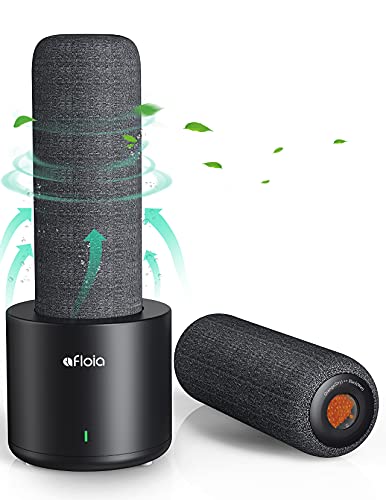
Afloia Gun Safe Dehumidifier Rechargeable TOPZ 2+1
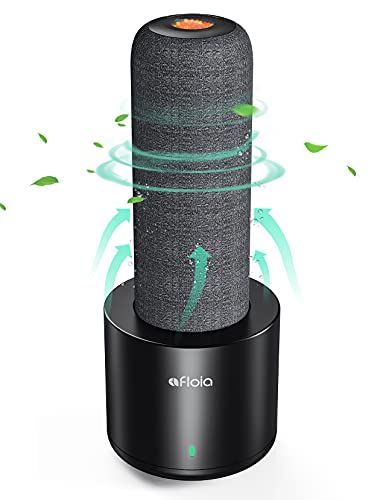
Afloia Mini Dehumidifier Rechargeable TOPZ 1+1

Afloia Rechargeable Cordless Gun Safe Dehumidifier TOPZ 4+1
Inside Each Recommended Option
The PSOS 98 OZ is technically a room dehumidifier, but gun owners with safes in finished basements or utility rooms often pair one with a safe anyway. It pulls moisture from the surrounding air, so the air that seeps past the safe door arrives drier in the first place. A 98-ounce tank covers long stretches between empties for most households.
What makes it appealing here is the quiet operation. The unit is rated for spaces up to 1,000 square feet, with an auto shut-off when the tank fills. Owners commonly run it on low at night without noticing, which matters when the safe sits near a bedroom or living area.
Practical Pluses
- 98 OZ reservoir keeps emptying frequency low
- Coverage area of 1,000 sq ft handles most safe rooms
- Auto shut-off protects against overflow spills
- Quiet enough to leave running overnight
- Ambient light option doubles as a low-output nightlight
Things To Consider
- It treats the room, not the safe interior, so a sealed safe still benefits from an in-safe rod or stick
- Tank emptying becomes a recurring chore in very damp climates
Who It Suits Best
Gun owners whose safe lives in a damp basement or garage and who want a room-scale solution working alongside an in-safe accessory.
Where Another Pick Suits Better
The ZARPAX 12″ rod is a better fit for a small pistol safe with no extra room for a tabletop appliance.
Step up to the FreAire 34Pint and you move into compressor-driven territory, which is what serious humidity problems demand. Rated for spaces up to 2,500 square feet, it pulls roughly 34 pints per day under lab conditions and ships with a 6.56-foot drain hose for unattended operation.
Compare that to the PSOS unit, which is a thermoelectric (Peltier) machine. Thermoelectric units run quieter and lighter, but they fade in larger spaces. A compressor like the FreAire keeps pulling moisture even when the room is genuinely wet, which matters in coastal or lake-effect climates where a safe sits in a damp basement.
Positive Points
- 34-pint daily capacity tackles real humidity, not just dampness
- 2,500 sq ft rating covers full basements
- Included 6.56 ft drain hose enables continuous draining
- Compressor design holds performance in cooler rooms
Worth Noting
- Larger and heavier than thermoelectric alternatives
- Compressor noise is louder than the PSOS unit, noticeable in finished living areas
- Continuous drain setup requires routing the hose to a floor drain or utility sink
Key Specs
Right Fit For
Households in humid regions with a safe located in a basement or garage where ambient humidity regularly climbs above 60%.
Not Your Match When
Pick the PSOS 98 OZ instead when the safe sits inside a climate-controlled room and the priority is quiet, low-output background drying.
The ZARPAX 32″ rod is the longest of the three ZARPAX models and the right answer for a full-size long-gun cabinet. Plug-in dehumidifier rods work by gently warming their surface, which raises the air temperature slightly and lowers relative humidity inside an enclosed space.
That physics matters because relative humidity is what corrodes metal. Drop the RH inside the safe from 65% to 45% and rust formation slows dramatically, even if the air still holds some moisture. The 32″ length distributes warmth along the bottom or side of larger safes without crowding the interior.
Points In Its Favor
- 32″ length suits tall and wide long-gun cabinets
- Plug-in design means no batteries to swap or recharge
- Silent operation since it uses radiant heat, not a fan
- Low wattage keeps continuous running cost modest
Honest Caveats
- Requires an interior outlet or a routed power cord through the safe
- Overkill for compact pistol vaults, where the 12″ rod fits better
Feature Snapshot
Built With In Mind
Owners of full-size gun safes holding 20+ long guns who want a set-and-forget, always-on humidity solution.
Reach For A Different Pick When
The Afloia 2+1 cordless set is the smarter call for safes without interior power, since it skips the cord routing step entirely.
The 24″ ZARPAX rod splits the difference between compact and full-size cabinets. For most standard upright gun safes in the 24- to 30-cubic-foot range, this length gives meaningful coverage without the rod running the full interior length and getting in the way of muzzle storage.
Functionally, it uses the same plug-in radiant-heat approach as its 32″ sibling. In our view, this size is the safest buy for shoppers who haven’t measured their safe yet, since 24″ fits across the bottom of most common cabinets.
Notable Gains
- 24″ length matches the most common safe sizes on the market
- Plug-and-play setup with no consumables
- Operates silently with no moving parts
- Steady, even warmth across the full rod length
Small Caveats
- Still needs an interior outlet or a pass-through cord hole
- Performance scales with safe seal quality, which varies by brand
Best Suited To
Owners of mid-size upright safes who want a simple, always-on rod without overbuying length.
A Better Fit Elsewhere
Step up to the ZARPAX 32″ rod for safes longer than 30 inches, or drop to the 12″ model for small pistol lockers.
The 12″ ZARPAX rod is built for tight spaces. Pistol vaults, under-bed lock boxes, and small countertop safes all benefit, since the rod tucks in along the bottom or back wall without crowding the stored handguns.
You get the same plug-in radiant-heat design in a shorter package. The trade-off is coverage: a 12″ rod only heats so much interior air, so it works best in cabinets under about 6 cubic feet. For anything larger, the 24″ or 32″ version will do more meaningful work.
Useful Strengths
- 12″ length fits pistol vaults and handgun lockers
- Low-profile install leaves room for accessories
- No batteries, fans, or moving parts to fail
- Lower watt draw than longer rods
Points To Keep In Mind
- Limited coverage in larger cabinets
- Same outlet requirement as the longer ZARPAX rods
Quick Facts
Whose Shelf It Belongs On
Concealed-carry permit holders and homeowners with a single handgun safe who want plug-in humidity control without bulk.
Consider Something Else When
Switch to the Afloia Mini 1+1 for an outlet-free pistol box, since the cordless stick avoids running power into a small metal safe.
Afloia takes a different approach with silica-gel sticks that you recharge in a heating base. The 2+1 kit ships with two absorbent sticks and one heating base. Place the sticks in the safe, wait for the silica beads to shift from orange to dark green, then drop them into the base to drive out the trapped moisture.
That cordless design unlocks safes with no interior outlet. A plug-in rod like the ZARPAX 24″ can’t help you if the safe has no power pass-through, and drilling a hole is something most owners rightfully avoid.
Real Benefits
- Cordless sticks work in any safe, outlet or not
- Rechargeable design avoids ongoing consumable purchases
- Visual color change makes it obvious when regeneration is due
- Two-stick coverage handles a mid-size safe comfortably
Trade Offs
- Requires periodic regeneration, roughly every few weeks in damp climates
- Heating base must sit outside the safe during recharge
- Manual swap-in, swap-out routine
Made For
Owners of safes with no interior power who prefer a cordless, renewable solution over a plug-in rod.
Skip It When
The ZARPAX 24″ or 32″ rod is a better fit when the safe already has an interior outlet and you want zero-touch operation.
The 1+1 kit drops one stick and one base into a single-stick setup, sized for compact spaces. A bedside lock box, a small handgun drawer, or a document safe all benefit, since the cylinder shape tucks into corners where a rod won’t reach.
Same physics as the 2+1 kit, just scaled down. The 360-degree air inlet on the cylinder pulls moisture from all directions, which is helpful in tight quarters where a flat rod would only heat one wall of air.
Practical Advantages
- Compact cylinder fits the smallest pistol and document safes
- 360° moisture-absorbing surface area
- Cordless operation for outlet-free cabinets
- Recharge cycle restores the stick without replacement costs
Some Limits To Know
- Single stick is undersized for anything beyond a small lock box
- Regeneration cycle is the same as the 2+1 kit, so owners with multiple small safes may want a second stick
Perfect Match For
Anyone storing a single handgun or a few documents in a compact lock box that lacks interior power.
Where A Sibling Pick Shines
Step up to the Afloia TOPZ 4+1 kit for a larger collection spread across multiple shelves, since four sticks distribute coverage more evenly.
The 4+1 kit is the spread-out option: four silica sticks plus one heating base. The extra sticks let you place one on each shelf of a tall multi-rack safe, which spreads moisture absorption across the full interior rather than concentrating it in one corner.
For collectors with long guns on the bottom and accessories or optics on upper shelves, that distribution matters. You may find the air at the top of a tall safe stays damper than the air around a rod at the bottom, so multi-point coverage closes that gap.
What Helps Most
- Four sticks cover tall, multi-shelf safes evenly
- Single heating base regenerates all four in sequence
- Cordless sticks work in any safe configuration
- Top-window design on each stick makes saturation status easy to check at a glance
Possible Compromises
- Regeneration takes longer with four sticks in rotation
- More pieces to keep track of during the swap routine
Feature Card
Who Should Grab It
Collectors with full-size safes holding long guns, accessories, and optics who want cordless coverage on every shelf.
Swap It Out When
The ZARPAX 32″ rod makes more sense for a single-rack safe with an interior outlet, since it requires less ongoing attention.
What Matters Most When Shopping for Gun Safe Dehumidifiers
Start with the safe itself, not the dehumidifier. Measure the interior, check whether the safe has an interior outlet or a cord pass-through, and look at how tightly the door seals. A loosely sealed safe fights even a high-output rod, since humid room air leaks back in faster than the rod can warm it down. Tight-sealing fire-rated safes respond best to lower-output options, while basic steel boxes often need a more aggressive setup.
Match The Solution To Your Power Situation
Plug-in rods like the ZARPAX 24″ or 32″ deliver continuous, hands-off moisture control, but only if the safe has a power source inside or a drilled pass-through. Cordless silica kits like the Afloia sets work anywhere and never need a cord, but they do ask you to remember a regeneration cycle every few weeks. Room-scale dehumidifiers like the PSOS or FreAire don’t go inside the safe at all; they treat the surrounding air, which helps the safe only when the door opens.
Pick Capacity To The Cabinet Size
Relative humidity, expressed as a percentage, is the number that drives rust. A short 12″ rod has limited reach, so it suits pistol vaults under about 6 cubic feet. A 24″ rod covers the typical 24- to 30-cubic-foot upright. A 32″ rod spreads coverage across full long-gun cabinets. Silica stick count follows the same logic: one stick for a small box, two for a mid-size cabinet, four for a tall multi-shelf safe.
Climate Should Drive The Decision
Shoppers in dry desert regions often get away with a single 12″ rod or one silica stick, since ambient humidity rarely climbs high. Coastal, lakeside, and basement shoppers in humid regions need either a longer rod, more silica sticks, or a room-scale machine working alongside an in-safe solution. Compressor-driven room units like the FreAire earn their noise and size in genuinely damp basements where thermoelectric units run out of capacity.
Key Considerations Across These Picks
Where Shoppers Go Wrong
Buying by length alone is the most common slip-up. A 32″ rod is wasted in a 4-cubic-foot pistol box, and a 12″ rod is overwhelmed in a 40-cubic-foot long-gun cabinet. Measure first, then match. The other common mistake is ignoring the seal on the safe itself. No dehumidifier inside the cabinet compensates for a gapped door that lets damp air back in every time the safe opens.
What Separates Premium From Basic
Higher-tier options in this category earn their place through either build quality (longer rods with better heat distribution and longer service life) or convenience (cordless rechargeable systems with faster regeneration cycles and clearer status indicators). For most owners, the upgrade pays off when the safe is full of high-value firearms or lives in a genuinely humid space where the cheaper option would cycle constantly and wear out faster.
Frequently Asked Questions
Do gun safe dehumidifiers really prevent rust?
Yes, when properly sized. They lower the relative humidity inside the safe, which is the variable that actually drives rust formation on blued and stainless steel.
How often do silica stick dehumidifiers need recharging?
Most owners regenerate every two to four weeks in humid climates and every four to eight weeks in drier regions, depending on the color-change indicator.
Can I drill a hole in my safe for a power cord?
Some owners do, but it can compromise fire ratings and the safe warranty, so most prefer cordless silica systems instead.
Is a room dehumidifier enough on its own?
Only when the safe door stays closed and the seal is tight. Most owners run a room unit alongside an in-safe option for layered protection.
Do dehumidifier rods use a lot of electricity?
No. Most standard-length rods draw a small fraction of what a lamp uses, so continuous operation costs very little over a year.
Closing Remarks
The right dehumidifier comes down to safe size, available power, and your local climate. A short rod or single stick handles a pistol vault in a dry region, while collectors in humid basements benefit from a longer rod, more silica sticks, or a room-scale unit working together. Match the format to your safe first, and the rest of the decision follows.