


Running a humidifier means refilling it, and the way a tank opens, how often you top it off, and how steady the mist output stays can make or break the daily routine. The picks below span whole-home cool-mist machines, stove-top steamers, and replacement wicks that keep an existing unit working at full strength. Whether you live with parched winter air, tend to a room full of tropical plants, or heat your home with wood, there’s a fill method that fits your space and your habits.
A Closer Look At The Lineup

LRAZU 15L Cool Mist Humidifier for Bedroom 800 sq.ft

STBoo Wood Stove Steamer Cast Iron 2.7 Quart Blue

STBoo Cast Iron Wood Stove Steamer 2.7 Quart Blue
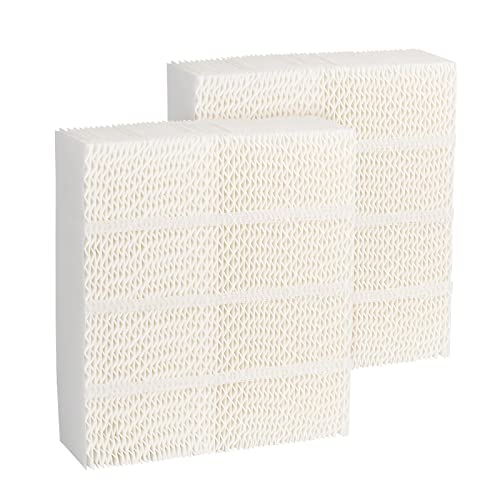
Ximoon 1043 Essick Humidifier Wick Filter for AIRCARE

LEVOIT Humidifier Replacement Filter for Classic Series

INNO STAGE Cast Iron Wood Stove Steamer 2.5 Quart Red

G GOOD GAIN Cast Iron Wood Stove Steamer 2.7 Quart Black

TOMOON WF2 Humidifier Filter Replacement 6 Pack for Vicks
What Each Pick Brings To The Table
The LRAZU cool mist unit is built around a 15L tank, a size that places it in whole-home territory rather than the bedside-table crowd. In a large open living area or a plant-filled studio, the generous reservoir means you spend more time enjoying consistent humidity and less time hauling water from the sink. It feels like the right answer for open-plan homes, small warehouses, and growers who need steady moisture across a wide footprint.
Coverage extends to roughly 800 square feet, and the adjustable mist output lets you dial intensity up or down depending on how dry the air feels. Compared to the stove-top steamers that follow, this is the only electric option in the lineup, so it makes sense for spaces without a wood fire.
Everyday Wins
- 15L tank stretches across multiple days between refills, useful for anyone who forgets to top off
- Five mist levels let you tune output to season and room size
- Wide room coverage handles open layouts, bedrooms, and plant areas in one go
- Cool mist design keeps running costs down and stays safer around children and pets
Things To Consider
- The 15L body is bulky and needs a stable spot out of foot traffic
- Cool-mist ultrasonic units typically need regular cleaning to prevent mineral buildup inside the tank
Key Specs
Who It Suits Best
Anyone running a single humidifier for a large open room, a home office suite, or a cluster of humidity-loving plants who wants the longest gap between refills.
Look Elsewhere When
Homeowners heating with wood and looking for a passive, no-electricity option will get a better fit from the STBoo wood stove steamer covered in Pick 2.
The STBoo 2.7-quart steamer borrows the shape of a traditional kettle and runs on the heat of your wood stove. Set it on the stovetop, fill it with water, and rising temperature does the work. For wood-heated homes, it’s an elegant alternative to running a plug-in humidifier alongside an already-warm room.
What separates this model from a plain pot is the cast-iron body and a top-filling port, so you add water without lifting the hot lid. Where the LRAZU cool-mist unit in Pick 1 needs electricity and a corner of floor space, this one trades active mist for quiet, stove-powered steam.
What It Does Well
- Refill hole on the top means you can add water without touching a hot lid mid-fire
- 2.7-quart capacity outlasts long overnight burns between top-offs
- Cast iron spreads heat evenly for steady steam release
- Works as a passive diffuser if you add a few drops of stove-safe scent
Trade Offs
- Output is tied directly to firebox temperature, so on cooler burns you get less steam
- Cast iron is heavy and should be seasoned with a light oil coat to prevent surface rust over time
Made For
Households heating with wood through long winter nights who want a no-fuss way to push humidity back into a dry room without adding another appliance to the wall outlet.
Swap It Out When
You run a forced-air furnace or live in a rental without a wood stove, in which case the LRAZU 15L cool-mist humidifier in Pick 1 is the more practical fit.
STBoo’s second entry keeps the same 2.7-quart capacity and refill-friendly top port, with a focus on the hand-cast iron shell. The body is built to develop a worn, heirloom patina rather than a polished showroom look, which suits cabins and older homes where a glossy plastic accessory would feel out of place.
Functionally, it behaves a lot like the previous STBoo steamer: fill, set on the stove, and let the fire do the work. The difference is mostly aesthetic, with a slightly different surface treatment that owners describe as more rust-resistant over many seasons.
Useful Touches
- Hand-cast iron with a matte enamel surface that ages with the stove
- Same generous 2.7-quart capacity as the previous STBoo model for long burns
- Top-filling design keeps handling simple when the pot is hot
- Doubles as a gentle aroma diffuser when stove-safe scents are added
Points To Note
- Requires routine surface oiling to keep rust from forming in storage off-season
- Steam output depends entirely on how hot the stove runs
Right Fit For
Cabin owners and hearth-room decorators who want a humidifier that looks like it belongs next to cast iron cookware rather than a modern appliance shelf.
Another Choice May Suit
Anyone wanting more visual variety on the hearth will find a punchier color statement in the INNO STAGE red enamel steamer reviewed in Pick 6.
The Ximoon 1043 wick filter is a replacement part, not a humidifier, and that framing matters. If you already own an AIRCARE Spacesaver 800 or 8000 series console unit, the wick inside is what draws water up and turns it into room humidity. Once that wick clogs with mineral scale, output drops sharply, and the whole machine starts to feel like it’s failing.
Swapping in a fresh wick is the most cost-effective way to bring a console humidifier back to life. Compared to the LRAZU cool-mist unit in Pick 1, this is the support act: same goal of humid air, but it only helps if you already have the host machine in your living room.
Standout Benefits
- Multi-layer wick structure designed to draw water evenly and reduce dry spots on the filter surface
- Direct fit for the AIRCARE Spacesaver 800 and 8000 console series, so installation is straightforward
- Lower cost than replacing the entire console humidifier when output drops
Honest Caveats
- Useful only if your current machine is on the supported AIRCARE model list
- Wicks typically need replacement every one to two months in hard-water areas, which adds ongoing cost
Best Suited To
Owners of AIRCARE Spacesaver console units who notice weaker mist output and want a simple, tool-free fix before considering a new humidifier.
Reach For A Different Pick When
LEVOIT ultrasonic owners should skip this wick and grab the LEVOIT replacement filter reviewed in Pick 5 instead.
The LEVOIT replacement filter targets a specific problem with ultrasonic humidifiers: white dust. When tap water carries dissolved minerals, an ultrasonic unit can launch that mineral content into the air, where it settles on nightstands and electronics as a fine white powder. A pre-filter is the simplest countermeasure.
This filter is built for the LEVOIT LV600S, Dual 200S, Dual 150, Classic 300, Classic 300S, and LV450S models, so it acts as a maintenance item for the brand’s smart humidifier ecosystem. Like the Ximoon wick in Pick 4, it isn’t a standalone humidifier, but it changes how the one you already own performs.
Bright Spots
- Captures minerals before they become airborne white dust on nearby surfaces
- Broad model coverage across the popular LEVOIT ultrasonic lineup
- Brand-matched design, which protects warranty and fit versus off-brand alternatives
Worth Noting
- Filters need regular swapping, so budget for an ongoing replacement rhythm
- Only useful if your humidifier matches the supported LEVOIT model list
Key Specs
Who Should Grab It
Anyone running a LEVOIT ultrasonic humidifier in a hard-water area who wants cleaner surfaces and steadier mist output over time.
A Better Fit Elsewhere
Owners of an AIRCARE Spacesaver console unit will get more use from the Ximoon wick in Pick 4, since this filter is not designed for wick-style machines.
The INNO STAGE steamer trades the traditional muted stove tone for a bright red enamel finish, putting it on the hearth as a design object rather than a hidden utility. Underneath the color, it’s a cast iron pot built to sit on a hot stovetop and slowly release steam into a dry room.
Capacity sits at 2.5 quarts, just shy of the 2.7-quart STBoo models in Picks 2 and 3, so the refill interval is slightly tighter. You may find the smaller reservoir manageable on most evenings, especially in a smaller room where the fire cycles are shorter.
Useful Strengths
- Red enamel exterior adds a clear focal point to a neutral hearth setup
- Cast iron core spreads heat evenly, helping steam release feel steady
- Works as a passive aroma diffuser if you add a few drops of stove-safe scent
Small Caveats
- Capacity runs a touch smaller than the STBoo steamers, so more frequent refills on long burns
- Enamel can chip if knocked, which exposes raw cast iron to moisture and rust risk
Perfect Match For
Homeowners who treat the stove area as part of the room’s visual design and want a humidifier that reads as decor rather than an afterthought.
Where A Sibling Pick Shines
Households prioritizing maximum water capacity should step up to the STBoo 2.7-quart steamer in Pick 2 for longer intervals between refills.
G GOOD GAIN’s steamer leans into the heavyweight side of the cast iron category, with a porcelain-glaze finish and a body that tips the scales around 10.5 pounds. That mass translates into thermal stability: the pot holds heat longer, and steam output stays steadier through the full burn cycle.
Capacity matches the STBoo 2.7-quart models, so the difference is mostly the build. Owners who want a quieter, more deliberate-looking piece tend to gravitate toward this one, while the more colorful options in Picks 3 and 6 are aimed at visible accents.
The Case For It
- Porcelain-glaze coating adds a layer of corrosion resistance over raw cast iron
- Substantial weight keeps the steamer planted on top of the stove during vigorous burns
- Full 2.7-quart capacity covers long overnight fires without refilling
Points To Keep In Mind
- Heavier than other steamers on the list, so placement on a hot stovetop takes more care
- Surface still benefits from occasional oiling to keep the glaze from wearing over many seasons
Whose Shelf It Belongs On
Wood stove owners who run longer burns, want a stable pot that won’t shuffle around, and prefer a darker, traditional look over bright color.
Skip It When
Anyone who wants a visible pop of color on the hearth will find a more eye-catching choice in the INNO STAGE red steamer reviewed in Pick 6.
The TOMOON WF2 six-pack is built for households that have already committed to a Vicks or Kaz cool-mist humidifier and need a long runway of replacement wicks. Wicks are consumables, and buying them in a multi-pack keeps the swap-out schedule from interrupting your routine.
Compatibility runs across a wide spread of Vicks models and adjacent brands, which makes this a flexible shelf-stocking option. Like the Ximoon wick in Pick 4 and the LEVOIT filter in Pick 5, this is a maintenance product, so the value only shows up if the right machine is already on your floor.
Notable Gains
- Six filters per pack stretch through an entire winter season of monthly swaps
- Wide compatibility with Vicks, Kaz, Sunbeam, and similar wick-style cool-mist models
- Bulk format usually works out cheaper per filter than buying singles
Worth Bearing In Mind
- Useful only if your humidifier matches the supported Vicks or Kaz model list
- Hard water may shorten wick life, so the six-pack could still run out faster than expected in some households
Quick Facts
Who Will Love This
Vicks and Kaz cool-mist owners who want a single purchase to carry them through the dry months without reordering every few weeks.
Not Your Match When
Anyone running an AIRCARE Spacesaver console should pick up the Ximoon wick in Pick 4, which is designed for that specific machine family.
What Matters Most Before Choosing Fill Humidifiers
Tank Size And Refill Frequency
The single biggest day-to-day variable in any humidifier is how often you have to refill it. A 15L unit like the LRAZU in Pick 1 can run for multiple days between top-offs, which is a real quality-of-life gain in a busy household. Smaller tabletop models and 2.5 to 2.7-quart stove steamers ask for more attention, but they also fit tighter spaces and lighter routines. The honest read is that refill frequency is usually tied to capacity, so match the tank to how often you actually want to think about your humidifier.
Heating Source And Power
A wood stove steamer only works if you actually run a wood stove, and an electric cool-mist unit only helps if you have a safe, dry spot to plug it in. Renters and forced-air homes tend to do better with electric options, while cabin and hearth-room owners get more from a passive cast iron pot. If you heat with wood most of the winter, a steamer doubles as decor; if you don’t, it just takes up stove space.
Filter And Maintenance Reality
Wicks and pre-filters are consumables, not optional accessories. The Ximoon, LEVOIT, and TOMOON picks on this list exist because humidifier performance decays as filters clog, and skipping replacements leads to weak output and potential mineral buildup. Factor the cost of regular swaps into your decision, especially if you live in a hard-water area where filters wear out faster.
Room Size And Coverage
A whole-home cool-mist unit in an 800-square-foot space behaves very differently from a stove steamer in a 200-square-foot hearth room. Coverage ratings, tank size, and steam output all need to match the room, or you’ll either over-humidify a small space or struggle to keep up with a large one. Smaller rooms reward smaller steamers, and bigger rooms usually need either a larger tank or a more powerful mist output.
Key Considerations Across These Picks
Pitfalls Shoppers Hit
The most common mistake is buying a humidifier without checking filter or wick compatibility for your current machine. A new wick-style unit only stays useful if you can find the right replacement parts, and the model numbers get specific fast. Another trap is choosing a stove steamer for a home without a regularly used wood stove, which leaves you with a heavy decorative pot that never does its job. Always match the humidifier type to your heating source and your existing equipment before anything else.
What The Higher Tier Buys
Stepping up to a larger tank or a heavier cast iron body usually means longer runtime, steadier steam output, and a longer service life. The trade-off shows up in price and in physical footprint, since bigger units demand more floor or stove space. For a household that runs humidification daily through a long winter, paying for the bigger reservoir or the heavier build tends to pay off in fewer interruptions and less maintenance drama. For occasional or seasonal use, a smaller or simpler pick often makes more sense.