


Humidity problems don’t all look the same. A damp basement that smells like wet cardboard, a closet full of musty coats, an RV that fogs the windows on cold mornings, or a guitar case that keeps drifting out of tune all trace back to the same thing: too much moisture in the air. The picks below cover a spread of moisture-control tools, from whole-room electric units to small silica gel beads that work quietly in enclosed spaces, so you can match the right approach to your situation.
A Closer Look At The Lineup

Waykar 145 Pints High Efficiency Dehumidifier with Pump

Fonday Premium Moisture Indicating Silica Gel Beads

AEOCKY 50 Pint Ultra-Quiet Dehumidifier with Drain Hose

Waykar 34 Pints Energy Star Dehumidifier for Home & Basement

Waykar 150 Pint Energy Star Dehumidifier with Pump

AEOCKY 4500 Sq.Ft Energy Star Dehumidifier with Pump
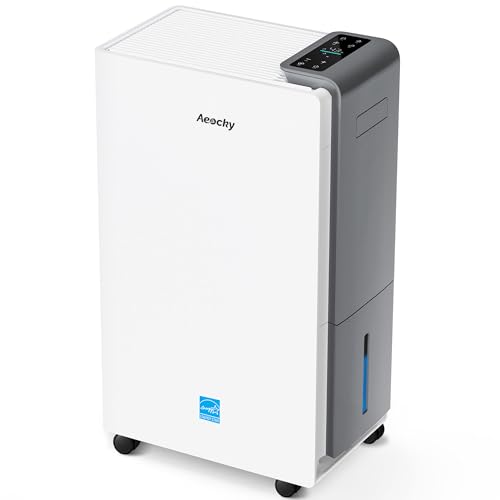
AEOCKY 5500 Sq.Ft Energy Star Dehumidifier
A Deeper Look At The Lineup
The Waykar 145-pint unit lands at the heavy end of the home dehumidifier category, and it wears that role well. Built for spaces up to 6,500 square feet, it pairs a built-in condensate pump with a continuous drain option, so the unit can sit in a basement corner and push water upward through a hose without manual emptying. The adjustable humidity range (30% to 80% relative humidity) covers the comfort and storage sweet spots most people actually need.
For anyone with a chronically damp basement, a small shop, or a finished room that smells musty after summer rain, this is the kind of machine that gets set once and largely forgotten. Unlike the smaller electric picks later in the list, it carries an internal pump that can lift water roughly several feet to a sink or window, which sidesteps the gravity-drain limitation common in basement installs.
A Strong Showing
- Built-in pump removes the need to manually empty a tank in day-to-day use.
- Large 145-pint daily capacity suits full basements and open living areas.
- Continuous drain hose option supports unattended, long-term operation.
- Adjustable humidistat covers both comfort and storage humidity targets.
Things To Consider
- Physical size and weight mean it stays put once placed, so planning the location matters.
- Higher-capacity compressors tend to run louder than compact bedroom units, so it fits utility spaces better than sleeping areas.
- Setup of the pump line and drain path takes more effort than a simple tank-and-empty install.
Feature Snapshot
Best Suited To
Homeowners with large basements, garages, or light commercial spaces who want set-and-forget moisture control and a built-in pump to route water to a sink or window.
Look Elsewhere When
Studio apartment dwellers needing silent, low-capacity drying will find the AEOCKY 50 Pint Ultra-Quiet Dehumidifier a more livable fit than this full-size unit.
The 2.1-pound Fonday tub is a different kind of moisture control. These are silica gel desiccant beads, not electric machines, so they work without power, without noise, and without any moving parts. The blue color shifts toward pink as the beads absorb moisture, which doubles as a built-in status indicator. At 3 to 5 millimeters each, the beads are sized for use inside breathable pouches, mesh bags, or perforated containers.
Desiccants like this one are best understood as targeted tools, not whole-room solutions. Drop a sachet into a camera bag, an ammo can, a tool chest, or a sealed storage tote, and the beads quietly pull water vapor out of that enclosed space. Compared to the Waykar 145-pint unit, this is the kind of pick that handles moisture in places an electric dehumidifier can’t reach or isn’t welcome.
Notable Gains
- Color-changing indicator removes guesswork, so you can see at a glance when to recharge.
- No power or batteries required, which means zero operating noise and zero energy draw.
- Reusable in many applications, since the beads can typically be dried out and put back to work.
- Versatile placement in toolboxes, closets, safes, and instrument cases.
Points To Note
- Effective only in enclosed or semi-enclosed spaces, so it does not help with whole-room humidity.
- Capacity per 2.1-pound tub is modest, so larger storage rooms may need multiple packets or refills.
- You’ll want breathable fabric or mesh containment, since loose beads can spill and scatter.
Right Fit For
Photographers, gun owners, and anyone storing electronics, documents, or instruments in sealed containers who wants silent, electricity-free moisture control.
Consider Something Else When
Anyone trying to bring a damp basement under control will want the Waykar 145 Pints High Efficiency Dehumidifier with Pump, since silica beads cannot meaningfully dry an open room.
The AEOCKY 50-pint unit targets the most common complaint about home dehumidifiers: noise. Rated at roughly 40 dB on its lower settings, it runs at a level closer to a quiet library than a window AC, which matters more than spec sheets suggest in a bedroom or nursery. The 3,500-square-foot coverage sits in a comfortable middle ground, big enough for open living areas but not overbuilt for a single room.
A included drain hose supports continuous operation, and an internal tank catches condensate for short-term use. The smaller capacity compared to the Waykar 145-pint unit means it cycles on less aggressively in moderate humidity, which is part of why it stays so quiet. For most people drying a single finished room, this is the everyday workhorse tier.
What Earns Its Place
- 40 dB operation keeps the unit livable in bedrooms and home offices.
- 50-pint daily capacity balances drying power with reasonable energy use.
- 3,500 sq ft coverage handles open living areas and finished basements.
- Drain hose included for hands-off, continuous draining.
Honest Caveats
- Lower daily capacity means it may struggle in extreme basement humidity that the Waykar 150 handles more comfortably.
- The internal tank still requires occasional emptying if you skip the drain setup.
Quick Facts
Made For
Light sleepers, remote workers, and apartment dwellers who need real moisture removal without the constant compressor drone of larger units.
Skip It When
People drying a chronically wet basement should consider the Waykar 150 Pint Energy Star Dehumidifier with Pump, since the 50-pint capacity may not keep up with standing water issues.
The 34-pint Waykar is the compact pick of the lineup, sized for bedrooms, home offices, and smaller basements up to about 2,000 square feet. Its 0.62-gallon internal tank is small enough to keep the overall footprint reasonable, and the auto or manual drain option gives you a choice between scheduled emptying and full continuous operation.
For renters or anyone who doesn’t want a 40-pound box parked in a living room corner, this is the more movable sibling of the larger Waykars earlier in the list. It trades raw capacity for portability, which is a real win in spaces where the humidity problem is moderate rather than severe.
A Few Highlights
- Compact body fits in tight spots like bedroom corners and small offices.
- Energy Star focus keeps long-term electricity use in check.
- Dual drainage modes cover both casual and unattended setups.
- Adjustable 30% to 80% humidity range supports comfort and storage needs.
Some Limits To Know
- 34-pint capacity is best matched to moderate humidity, not standing damp.
- The smaller internal tank fills up faster in heavy moisture, so the drain hose becomes useful quickly.
Feature Rundown
Who Should Grab It
Renters and homeowners with bedrooms, offices, or smaller basements up to 2,000 square feet who want effective drying without dedicating floor space to a large unit.
A Better Fit Elsewhere
People managing a larger finished basement will find more headroom with the AEOCKY 4500 Sq.Ft Energy Star Dehumidifier with Pump, which covers nearly twice the area.
Step up to the 150-pint Waykar and you move into whole-home and light commercial territory, with coverage stretching to 7,000 square feet. The pump and drain hose combo lets you set this unit up once and route water to a floor drain or sink, while the auto defrost feature keeps the coils from icing up in cooler basement temperatures. A smart auto comfort mode adjusts fan and compressor activity based on ambient humidity, which trims wasted runtime.
For households that have outgrown a single-room unit, or anyone running a workshop or storage space with persistent moisture, this is the kind of dehumidifier that earns its keep by quietly running in the background. It is meaningfully larger than the 34-pint Waykar earlier in the list, and the trade-off in noise and footprint is real, but the drying power jumps to match.
Where It Helps
- 150-pint daily capacity supports whole-home and light commercial use.
- Auto defrost protects the coils in cooler basement conditions.
- Pump and drain hose let you skip manual emptying for long stretches.
- Auto comfort mode reduces unnecessary runtime in already-dry conditions.
Factors To Consider
- Size and weight make it a semi-permanent install rather than a movable unit.
- Higher capacity means higher power draw, so expect a noticeable line on the electric bill.
Perfect Match For
Owners of large homes, finished basements, and small commercial spaces with serious humidity challenges who want a set-and-forget whole-area solution.
Another Choice May Suit
Anyone with a smaller space who values low noise and Energy Star efficiency will find the AEOCKY 5500 Sq.Ft Energy Star Dehumidifier a less aggressive option for typical home humidity.
The 4500-square-foot AEOCKY sits in a smart middle ground between the bedroom-friendly 50-pint unit and the heavy-duty 150-pint Waykar. It carries a built-in pump, a drain hose, and an intelligent humidistat, which together automate the parts that often get neglected: keeping the room at your target humidity, pumping condensate out, and dialing back when the air is already dry enough.
For mid-to-large basements, multi-room living areas, or anywhere you want the dehumidifier to make its own decisions, this unit delivers a lot of the heavy-duty feature set in a more approachable footprint. Compared to the AEOCKY 5500, it covers a touch less area and runs at a slightly lower daily capacity, but the core pump-and-humidistat design carries over.
What Works In Its Favor
- Intelligent humidistat adjusts output to your target humidity without constant babysitting.
- Built-in pump removes water automatically through the included drain hose.
- 4,500 sq ft coverage fits most mid-large basements and finished spaces.
- Energy Star Most Efficient 2025 design aims to limit long-term power costs.
Trade Offs
- Higher upfront complexity means the controls take a little longer to learn than simpler units.
- Daily moisture removal tops out lower than the Waykar 150-pint, so extreme basements may still feel underdried.
Whose Shelf It Belongs On
Homeowners with mid-large basements or multi-room living areas who want automated humidity management and pump drainage without moving up to commercial-grade capacity.
Reach For A Different Pick When
Anyone running a much larger space or dealing with very high humidity should consider the Waykar 150 Pint Energy Star Dehumidifier with Pump for its higher daily removal rate.
The AEOCKY 5500 rounds out the list as the open-plan pick. With 5,500 square feet of coverage and an Energy Star Most Efficient 2025 designation, it targets households that have moved past a single damp room and into whole-floor humidity management. The 80-pint daily removal ceiling gives it headroom for genuinely humid conditions, including summer storm season and homes with poor ventilation.
Where this unit really earns its slot is in homes with open layouts, attached garages, or workshop-style basements where one centrally placed dehumidifier can do the work of two smaller units. Compared to the Waykar 150-pint, it covers slightly less ground but leans harder on efficiency, which can show up over months of continuous runtime.
What It Does Well
- 5,500 sq ft coverage supports open floor plans and finished multi-room areas.
- Energy Star Most Efficient 2025 framing for shoppers watching long-term power use.
- Up to 80 pints per day gives real headroom for humid summer stretches.
- Designed to handle continuous operation without the unit cycling excessively.
- Pairs well with smart thermostats and home humidity monitors for whole-home tracking.
Where It May Fall Short
- Overkill for single bedrooms or small offices, where the AEOCKY 50-pint unit is a more comfortable fit.
- Premium-tier units like this tend to weigh more and run louder than compact alternatives.
Spec Overview
Built With In Mind
Homeowners with open layouts, finished multi-room basements, or attached workshops who want one capable unit instead of multiple smaller ones.
Swap It Out When
Anyone drying a single bedroom or office will find the AEOCKY 50 Pint Ultra-Quiet Dehumidifier a quieter, more appropriately sized fit than this large-format unit.
Choosing the Right Desiccant and Dehumidifier Setup for Your Space
The word “desiccant” covers more than people expect. True desiccant dehumidifiers use a moisture-absorbing wheel, not a compressor, and they work well in cool spaces where compressor units struggle, but most products labeled “desiccant” in this category are actually electric compressor units or moisture-absorbing materials like silica gel. Clarifying that distinction up front helps you match the right tool to the right room.
Match Capacity to Room Size
The “pints per day” rating tells you how much water a unit can pull from the air in 24 hours, measured at 95°F and 90% relative humidity, which is hotter and more humid than most homes. Real-world removal is usually lower, so you want a small safety margin. A 34-pint unit handles a single bedroom, 50 pints fits an open living area, and 80 to 150 pints is the right zone for basements, shops, and large open spaces. Under-buying leaves you with a machine that runs constantly without catching up, and that shortens compressor life.
Think About Drainage Before You Buy
Tank-empty dehumidifiers work fine for occasional use, but any unit running daily in a humid basement will fill its tank fast. Continuous drain options, whether gravity-fed or via a built-in pump, are the difference between a set-and-forget install and a daily chore. The Waykar 145-pint and 150-pint units both carry pumps, which matters in basements where the only drain is uphill.
Consider Where the Machine Will Live
Noise and footprint shape daily life more than people expect. A 150-pint unit can ruin a bedroom, while a 40 dB bedroom-rated unit can disappear into the background during a work call. The 50-pint AEOCKY in this list sits at a noise level that most people find livable, and the silica gel option is genuinely silent because it has no moving parts at all. Match the machine to the room, not the other way around.
Don’t Overlook Silica Gel for Targeted Use
Whole-room humidity is one problem, but moisture inside a sealed toolbox, gun safe, or instrument case is another. For those enclosed spaces, silica gel desiccant beads work continuously without power, and a color-changing indicator makes maintenance simple. Pairing a small-room electric dehumidifier with a few silica gel packets in storage areas is often the most complete approach.
Smart Choices When Shopping This Category
Where Shoppers Go Wrong
A common slip is buying by room square footage alone and ignoring the moisture level. A damp basement at 80% relative humidity needs far more drying power than a 2,000-square-foot living room at 50% relative humidity, so matching capacity to actual humidity is more useful than chasing the highest pint number. Another trap is assuming a louder unit is automatically more powerful, when in reality a well-designed compressor with proper insulation can move the same air more quietly.
What Separates Premium From Basic
Premium-tier units tend to add pump drainage, intelligent humidistats, auto defrost for cool spaces, and Energy Star Most Efficient certifications that pay off over years of continuous runtime. Basic units can absolutely handle mild humidity, but the upgrade often shows up in lower electricity use and fewer manual interventions. The honest read is that the premium step is worth it for full-time basement operation, and harder to justify for occasional guest-room use.
Frequently Asked Questions
How do I know if I need a compressor dehumidifier or silica gel?
A compressor unit works best for whole rooms, basements, and open living areas where you want to lower the air’s relative humidity across a wide space. Silica gel works best inside enclosed containers like toolboxes, safes, and instrument cases where the volume of air is small and you want electricity-free moisture control. Many people use both, with the electric unit handling the room and silica gel handling the storage inside it.
What does “pints per day” actually mean?
It’s the maximum amount of water the unit can extract from the air in 24 hours, measured under very hot and humid lab conditions of 95°F and 90% relative humidity. In a typical home, real-world removal runs lower, so picking a unit with some headroom over your calculated need is a sensible move.
Can a dehumidifier run continuously?
Yes, most modern units are designed for continuous operation, especially models with a built-in pump or a continuous drain hose. The unit cycles on and off to maintain your target humidity, and a drain setup means you won’t have to empty a tank every few hours.
Where should I place a dehumidifier for best results?
Put it in the dampest part of the room, away from walls and furniture so air can flow freely into the intake. Close the room’s doors and windows while it runs, since pulling in outdoor humid air undermines the work. Basements benefit from placing the unit near the source of moisture intrusion, such as a known leak or an exterior wall.
Is Energy Star Most Efficient worth the extra cost?
For a unit you’ll run daily, the energy savings add up over years and often justify the higher upfront price. For a unit you’ll only use a few weeks a year, the math is less compelling, and a standard Energy Star model may be the more reasonable buy.
Bottom Line
The right pick depends almost entirely on the space you need to dry. Small enclosed storage calls for silica gel, mid-size finished rooms call for a quiet 34 to 50 pint unit, and serious basement or whole-home humidity calls for a 80 to 150 pint machine with a pump. Match the tool to the room, plan drainage before you buy, and the rest tends to take care of itself.