

Humidity problems rarely arrive alone. Stuffy basements, sticky bedrooms, and musty closets often pair with lingering dust and allergens, which is why so many shoppers look for a single unit that handles both jobs. The picks below cover everything from compact bedroom units to commercial-grade workhorses, so you can match capacity to your square footage without overspending or under-buying.
An Overview Of The Picks

Waykar 145 Pints High Efficiency Dehumidifier with Pump

PSOS 98 OZ Dehumidifier for Home (Gray)

QFOX 2000 Sq.Ft Rotary Dehumidifier with Drain Hose

Frizzlife DH80 Dehumidifier with 135oz Tank
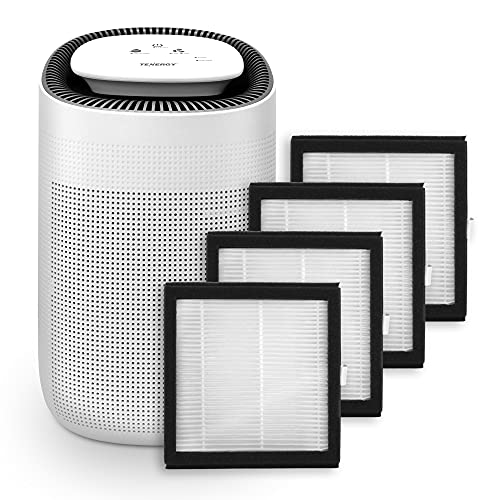
Tenergy Sorbi Dehumidifier with H13 HEPA Filter

Waykar 34 Pints 2025 Energy Star Dehumidifier

Waykar 150 Pint Energy Star Dehumidifier with Pump

DuraComfort Dehumidifier for Basement 2,500 Sq Ft
The Details Behind The Selections
Big spaces call for a different kind of tool, and this Waykar model steps up accordingly. It targets up to 6,500 square feet and pulls moisture at a rate most residential units cannot match, which makes it a sensible pick for finished basements, multi-room workshops, and storage areas where a standard bedroom dehumidifier would run constantly without making a dent.
The built-in condensate pump is the practical highlight here. Instead of relying on gravity drainage, the unit pushes water upward through a hose, so placement near a floor drain is not required. For homeowners with basement layouts that sit below plumbing lines, that single feature removes the most common installation headache. Compared to the PSOS unit covered later, this is a fundamentally different scale of machine, so the real decision is whether your space genuinely needs 145-pint capacity.
Features That Help
- High-capacity extraction handles warehouse-scale rooms without running nonstop
- Built-in pump removes the need for a floor-level drain
- Adjustable humidity range from 30% to 80% for seasonal control
- Drain hose and tank included for flexible installation
Things To Consider
- Oversized for apartments or single bedrooms, so running costs add up in smaller spaces
- Compressor noise is noticeable, making placement away from living areas wise
- Air filtering is limited compared to units with dedicated HEPA stages
Who It Suits Best
Property managers, homeowners with finished basements over 3,000 square feet, and small business owners running storage or workshop spaces.
Consider Something Else When
For a 200-square-foot nursery, the Waykar 34 Pints 2025 model in this list offers quieter operation and a footprint better suited to tighter rooms.
Small rooms and closets have a way of accumulating stale, humid air that a whole-house system ignores. This PSOS unit uses dual semiconductor condensation, a thermoelectric cooling method that runs without a compressor, so the noise level stays low enough for bedrooms and home offices where quiet matters more than raw extraction power.
Coverage caps out near 1,000 square feet, but the practical sweet spot is a single room or a tight bathroom. The 98-ounce tank means most days you will not think about emptying it, and the auto shut-off protects the unit when the tank fills. Where the heavy-duty Waykar earlier targets warehouses, this one targets the opposite end of the spectrum: spaces where silence and simplicity matter more than capacity.
Strengths Worth Knowing
- Compressor-free design keeps operational noise to a minimum
- Seven-color ambient light adds gentle accent lighting in dim rooms
- Built-in humidity display removes guesswork about room conditions
- Auto shut-off prevents overflow when the tank reaches capacity
Worth Noting
- Semiconductor units extract less moisture per day than compressor models, so very damp basements may stay damp
- No dedicated air filtration stage beyond dehumidification
Made For
Anyone wanting a low-noise dehumidifier for a bedroom, nursery, or small home office under 500 square feet.
Look Elsewhere When
The Tenergy Sorbi covered later in this list is a stronger fit if true HEPA air filtering matters alongside moisture control.
Most dehumidifiers lean on a compressor, which works well in warm rooms but struggles once the temperature drops. This QFOX model uses rotary desiccant technology, a wheel-based drying method that pulls moisture from air without cooling it first, so it keeps performing in chilly basements, RVs in winter, and unheated storage rooms where compressor units would ice up.
The 2.5-liter tank and included drain hose let you run it continuous in a fixed spot or carry it between rooms. Coverage reaches 2,000 square feet, putting it between the small PSOS and the heavy-duty Waykar in this list. For shoppers who live somewhere with cool-season dampness, the technology choice is the selling point.
Useful Strengths
- Desiccant rotary tech operates effectively in cool environments where compressor units falter
- Drain hose included for hands-off continuous drainage
- Sleep mode reduces output for nighttime use
- Seven-color ambient light doubles as a low-level night light
Trade Offs
- Rotary units typically draw more power than comparably sized compressor models
- No integrated HEPA or activated carbon filtration stage
Quick Facts
Best Suited To
RVers, owners of unheated basements, and anyone in cooler climates where compressor dehumidifiers lose effectiveness.
Skip It When
The DuraComfort Dehumidifier covered later is a smarter choice for warm basements where Energy Star efficiency is the priority.
Light sleepers tend to avoid dehumidifiers altogether because most compressor units cycle loudly through the night. The Frizzlife DH80 uses dual semiconductor cooling and a dedicated sleep mode that ramps output down once the room approaches the target range, so the unit is less likely to interrupt rest.
The 135-ounce tank is one of the largest in this small-room category, and the integrated timer lets you set a run window that matches your schedule. Coverage targets small bedrooms and bathrooms. Owners commonly report that the auto shut-off engages reliably when the tank fills, which is the kind of detail that matters on a humid week when nobody wants to babysit an appliance.
A Favorable Mix
- Sleep mode drops output to near-silent operation
- 135-ounce tank means fewer manual empties in everyday use
- Seven-color light offers soft night-time illumination
- Built-in timer supports scheduled overnight runs
Small Caveats
- Humidity level is automatically balanced, so a specific target percentage cannot be dialed in
- Best suited to small rooms rather than open-plan spaces
Who Will Love This
Light sleepers, parents of infants, and anyone running a dehumidifier through the night in a small bedroom.
Not Your Match When
The Waykar 34 Pints 2025 model in this roundup is a stronger pick when you want to set an exact humidity percentage in a larger room.
Most small dehumidifiers only tackle one half of the comfort problem. The Tenergy Sorbi pairs Peltier-based dehumidification with a true H13 HEPA filter, a medical-grade filter that captures fine particles, so the unit pulls moisture while also trapping dust, pollen, and other airborne irritants. For allergy-sensitive shoppers, that combination is the appeal.
The 1-liter tank and 750 ml per day extraction rate put it firmly in the personal-space category. Touch controls keep the front panel clean, and the included three-pack of replacement filters extends the first year of ownership without an extra shopping trip. The honest read is that this is not a basement workhorse, but for a small bedroom where you want both drier and cleaner air, it covers both jobs in one footprint.
Everyday Perks
- True H13 HEPA filtration captures 99.97% of fine airborne particles
- Three replacement filters included in the package
- Touch control panel and adjustable fan speeds
- Auto shut-off activates when the tank reaches capacity
Points To Note
- HEPA filters require periodic replacement, which adds to long-term cost
- Moisture removal is modest compared to compressor units in this list
Feature Snapshot
Perfect Match For
Allergy-prone shoppers who want a single compact unit that handles both humidity and airborne particles in a bedroom or home office.
A Better Fit Elsewhere
The DuraComfort Dehumidifier covered later in this list is a stronger pick for larger basements where extraction volume matters more than filtration grade.
The 2025 Waykar refresh shrinks the rotary compressor into a more compact cabinet while keeping the 34-pint extraction target that most mid-size homes need. It is the middle of the Waykar lineup in this roundup, slotting between the heavy 145-pint model and the simpler semiconductor units, and the Energy Star rating signals a focus on lower operating cost.
Auto and manual drainage options let you choose between a hands-off hose run or a removable 0.62-gallon tank. Coverage reaches 2,000 square feet, which fits typical living rooms, finished basements, and bedroom suites. For shoppers who want a compressor’s extraction power without the warehouse-scale footprint, this is the most balanced of the three Waykar models in this list.
The Good Stuff
- Energy Star certified for lower electricity use over time
- Compact rotary compressor fits where bulkier units cannot
- Adjustable humidity range from 30% to 80%
- Auto or manual drainage supports flexible installation
Honest Caveats
- Compressor noise is present, though lower than larger Waykar models
- No dedicated HEPA or carbon filtration stage
Right Fit For
Mid-size homeowners who want Energy Star efficiency with enough capacity for a finished basement or open living area.
Reach For A Different Pick When
The Tenergy Sorbi in this list is a better match if true HEPA air filtering is a higher priority than extraction volume.
When 145 pints is not enough, this 150-pint Waykar picks up the slack and adds features aimed at the toughest jobs. The smart auto comfort mode reads room conditions and adjusts output without manual input, and the auto defrost system keeps the coils running in cooler basements where standard compressors would otherwise ice over and stall.
The built-in pump is the practical workhorse detail. It pushes condensate upward through a drain line, so you can route water to a sink, window, or sump pump without gravity limiting placement. Compared to the smaller Waykar 34 Pints model earlier, this unit is a different category of investment, best suited to commercial spaces, large basements, and homes with serious humidity issues that lower-capacity units cannot resolve.
The Case For It
- 150-pint extraction handles the largest residential and light-commercial spaces
- Auto defrost prevents coil icing in cooler basements
- Smart auto comfort mode adjusts output without manual tweaking
- Built-in pump enables upward drain routing
Where It Is Less Suited
- Energy use is significant, so smaller rooms are a poor match for the size
- Compressor noise is more pronounced than compact units
- Requires adequate space for the larger cabinet
Core Details
Whose Shelf It Belongs On
Owners of large basements, small commercial spaces, and homes with persistent severe humidity who need set-and-forget operation.
Swap It Out When
The Waykar 145 Pints covered first in this roundup offers similar capacity with a slightly different feature set for shoppers weighing the two flagships.
The DuraComfort rounds out the list with a straightforward basement-focused design. The 2025 Energy Star certification keeps running costs reasonable, and the smart humidistat maintains your chosen humidity level automatically, removing the need to monitor and adjust manually as conditions change through the day.
Extraction reaches 35 pints per day, covering spaces up to 2,500 square feet, which fits most finished basements and bedroom suites. The included drain hose makes continuous drainage practical, and the built-in timer supports scheduled operation. Where the Tenergy Sorbi focuses on air quality in a small space, this DuraComfort prioritizes steady extraction in a larger one.
Points In Its Favor
- Smart humidistat maintains target humidity without constant adjustment
- Energy Star certified for efficient long-term operation
- Drain hose included for continuous drainage
- Built-in timer supports scheduled operation
Factors To Consider
- Compressor noise means bedroom placement may need a buffer distance
- No dedicated HEPA filtration stage
- Larger footprint than semiconductor alternatives
Feature Card
Who Should Grab It
Homeowners with finished basements around 1,500 to 2,500 square feet who want reliable extraction and an Energy Star rating.
Where Another Pick Suits Better
The Waykar 34 Pints 2025 model covered earlier is a near-twin in capacity, so shoppers torn between the two should compare feature priorities and brand familiarity.
What To Weigh Before Picking A Dehumidifier Air Purifier Combo
Room Size And Capacity Match
The single biggest mistake is pairing a tiny semiconductor unit with a damp basement, or a 150-pint commercial model with a 200-square-foot nursery. Coverage ratings on the box describe the maximum square footage under ideal conditions, and a damp basement or cold garage will usually need more capacity than the label suggests. Most finished basements between 1,000 and 2,500 square feet do well with a 30 to 35-pint compressor unit.
Compressor Vs. Desiccant Technology
Compressor dehumidifiers work best in warm rooms, generally above 65°F, and tend to be more energy-efficient. Desiccant rotary units, like the QFOX in this list, perform in cooler spaces where compressors would ice up, which is a real advantage in unheated basements, RVs, and garages during winter. The trade-off is higher power draw, so pick the technology that matches your room temperature, not your square footage alone.
Filtration When You Need It
If dust, pollen, or pet dander is part of the problem, look for a unit with a true HEPA filter, which is rated to capture 99.97% of fine particles, rather than relying on dehumidification alone. The Tenergy Sorbi covered above is the clearest example in this roundup. In rooms where filtration is less critical, a standard dehumidifier saves on replacement filter costs.
Drainage And Maintenance Reality
Continuous drain via a hose is the lowest-friction setup, especially with a built-in pump on units like the Waykar 150 Pint. Tank-only models force you to empty the reservoir regularly, which is fine for occasional use but becomes a chore in a damp basement running daily. Plan for tank emptying, coil cleaning, and filter replacement as recurring ownership tasks, not one-time setup steps.
Key Considerations Across These Picks
Pitfalls Shoppers Hit
A common slip is choosing a unit by advertised coverage area without checking the technology. A 2,000-square-foot rating on a semiconductor unit does not match the real-world performance of a 2,000-square-foot compressor model. Another trap is ignoring the room temperature, since a compressor dehumidifier in a 55°F basement will ice up and barely run. The fix is matching technology to climate and adding headroom on capacity.
Where The Extra Money Goes
Higher-tier models earn their cost through built-in pumps, auto defrost systems, and larger coverage that runs without manual intervention. The Waykar 150 Pint in this list is a good example: the pump alone removes the most common installation headache in below-grade spaces, and the auto defrost keeps it running through cold snaps. For occasional bedroom use, the upgrade is not worth it, but for any space where the unit runs unattended for weeks, the premium tier earns its keep over time.
Frequently Asked Questions
What size dehumidifier do I need for a 1,500-square-foot basement?
A 30 to 35-pint compressor model handles most 1,500-square-foot finished basements, though damp basements benefit from the next size up. The DuraComfort and Waykar 34 Pints models in this list both target that range.
Can a dehumidifier also purify the air?
Standard dehumidifiers do not filter fine particles. A unit with a true HEPA filter, like the Tenergy Sorbi, captures particles while also removing moisture, which is the closest a single appliance gets to doing both jobs well.
Where should a dehumidifier be placed in a basement?
Place the unit in the area with the worst humidity, ideally away from walls and furniture, with at least six inches of clearance on all sides for airflow. In below-grade spaces without floor drains, a model with a built-in pump, such as the Waykar 150 Pint, makes drainage practical.
How often does the tank need emptying?
Tank-only models in this list run one to three days between manual empties, depending on humidity. Continuous drain via the included hose eliminates emptying entirely, which is the lower-maintenance choice for unattended operation.
Are dehumidifiers expensive to run?
Compressor units with Energy Star certification, like the Waykar 34 Pints 2025 and DuraComfort, use less electricity than older models. Running costs depend on local rates and how many hours the unit runs, but a mid-size Energy Star model typically adds a modest amount to monthly bills in damp conditions.
Bottom Line
Drier and cleaner indoor air comes down to matching capacity and technology to your specific space, not chasing the largest number on the box. A small bedroom, a finished basement, and an unheated garage each call for a different tool, and the right pick from this list depends on which room you need to fix first. Start with the room size and temperature, then narrow down by the features that genuinely matter to you, whether that is HEPA filtering, quiet operation, or hands-off drainage.