


Humidity and poor air quality travel together. Damp basements invite musty odors, bedrooms with the windows closed trap pollen, and pet households battle hair and dander on two fronts at once. Running an air purifier alone won’t pull moisture from the air, and a dehumidifier alone won’t trap fine particles. The picks below pair both jobs in one appliance or stack two purpose-built units that complement each other in the same space, so the result is a room that feels drier and noticeably easier to breathe in.
The Leading Options At A Glance

Waykar 145 Pints Dehumidifier with Pump for Large Rooms
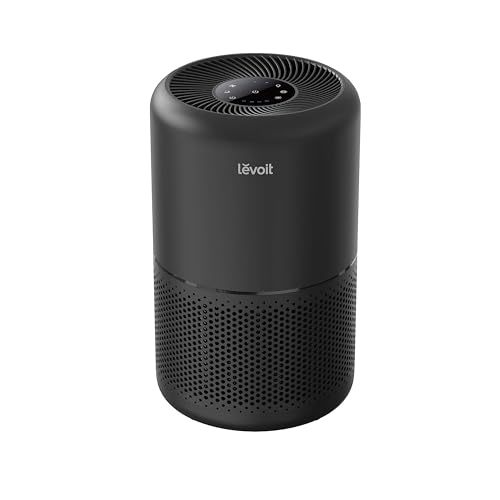
Levoit Core300-P Air Purifier for Home Pets, Black

Homedics 5-in-1 UV-C Air Purifier for Large Rooms

Crane True HEPA Tower Air Purifier, EE-5067

VOOPNU 2-Pack Compact Air Purifiers, DH-JH12

ECOSELF HEPA Air Purifier for Large Rooms

FreAire HAP611WF Air Purifier for Extra-Large Rooms

GermGuardian 5-In-1 HEPA Tower, AC4300BPTCA

Waykar 34 Pints Energy Star Dehumidifier

Waykar 150 Pint Energy Star Dehumidifier with Pump
The Strengths Of Each Pick
The Waykar 145-pint unit is the workhorse of the roundup, sized for basements, storage rooms, and small warehouses that suffer from persistent damp. Where a typical bedroom dehumidifier feels overwhelmed after a single rainy week, this one keeps pulling moisture on a continuous drain. The integrated pump sends water upward and out through a hose, so you aren’t hauling a tank to the sink every few hours.
Pair it with a separate HEPA air purifier in finished living areas, and you cover both the moisture and the particle problem without overpaying for a combo unit that does neither job well. You may find the body on the heavy side, so plan the final spot before filling the reservoir.
Practical Advantages
- Built-in pump lifts condensate to a sink, window drain, or floor drain, so the unit can run unattended.
- 145-pint daily capacity handles the kind of humidity a finished basement or small warehouse actually generates.
- Adjustable humidity range lets you dial in a target rather than running full blast all day.
- Wheeled base makes repositioning across a concrete floor less of a chore.
Points To Keep In Mind
- The body is large and heavy, so it works best as a semi-permanent install in one spot.
- Filter cleaning is widely reported as a regular task, especially in dusty basement environments.
Built With In Mind
Owners of damp basements, workshops, and small commercial spaces who want moisture handled automatically and aren’t worried about heavy lifting during setup.
Where Another Pick Suits Better
For a quiet bedroom setup, the Waykar 34 Pints Energy Star Dehumidifier is a friendlier match in a smaller footprint.
The Levoit Core300-P is the everyday pick the rest of the list keeps getting compared back to. It’s a compact cylinder built for bedrooms and small living areas, and the 3-in-1 filter cartridge handles dust, pollen, and pet dander in a single swap. The HEPA-grade filter is the workhorse here, capturing fine particles that trigger sneezes and itchy eyes.
You run this in the rooms you actually sleep and relax in, and pair it with one of the Waykar dehumidifiers elsewhere if your home also has a moisture problem. The sleep mode drops fan speed and dims indicators, so it stays unobtrusive on a nightstand.
A Few Strong Suits
- 3-in-1 filter setup (pre-filter, HEPA, activated carbon) tackles particles and light odors together.
- Coverage up to 1,073 square feet suits open-plan apartments and master bedrooms alike.
- Sleep mode keeps the unit quiet enough to run through the night without complaint.
Honest Caveats
- Replacement filters are a recurring cost, and heavy pet households may find the swap schedule tight.
- The unit only addresses particles, so damp rooms still need a separate dehumidifier alongside it.
Key Specs
Made For
Pet owners and allergy-sensitive sleepers who want reliable bedroom air without buying into a large industrial tower.
Skip It When
For very large open-plan spaces, the FreAire HAP611WF offers far broader coverage in a single unit.
The Homedics 5-in-1 trades the Levoit’s compact cylinder for a wider body with 360-degree intake, pulling air in from all sides rather than just one face. That makes it a strong fit for open living areas where the purifier sits in the middle of the room. The UV-C light adds a second pass after the HEPA-grade filter, and the carbon layer tackles odors from cooking, pets, or smoke.
It also doubles as a small aromatherapy station, with pads you can add a few drops of essential oil to. The five speed settings and built-in timer give finer control than cheaper three-speed units.
Everyday Perks
- 360-degree intake pulls air in from every direction, so placement in a room’s center makes sense.
- UV-C light and carbon filter work alongside the HEPA-grade media for a multi-stage approach.
- Coverage up to 1,593 square feet handles larger living rooms and lofts comfortably.
- Built-in timer and five speed settings give finer tuning than most budget units.
Small Caveats
- UV-C bulb replacement is an extra maintenance step beyond the standard filter swap.
- Higher speeds are louder, so you may end up leaving it on a lower setting at night.
Right Fit For
Households with a large open living area who want one purifier to cover the central gathering space without needing a second unit in the corner.
Consider Something Else When
For very high ceilings or huge floor plans, the FreAire HAP611WF climbs even higher in coverage.
The Crane EE-5067 is a slim tower designed to disappear into a small room. Its 250-square-foot coverage is honest about its scale, and the tower format keeps the footprint narrow on a nightstand or in a tight nursery. The washable pre-filter is a small but real cost-saver over the life of the unit.
Add a small dehumidifier in especially muggy months and you have a complete air treatment setup for a single bedroom. The UV light adds a secondary pass over the air, which is a thoughtful touch in this price bracket.
Strengths Worth Knowing
- Narrow tower footprint slips into tight bedrooms and home offices without crowding walkways.
- Washable particle filter reduces long-term ownership costs compared to fully disposable cartridges.
- Sleep mode and timer let the unit run quietly through a full night.
A Few Limitations
- 250-square-foot coverage caps this to single-room use in average-sized homes.
- Smaller filter surface means replacements and cleanings come around more often in pet households.
Feature Snapshot
Best Suited To
Anyone outfitting a single bedroom, nursery, or small office where a wide purifier would dominate the space.
Not Your Match When
For open-plan main floors, the Levoit Core300-P handles much larger square footage in a similar compact form.
The VOOPNU two-pack is the budget answer for households that want a purifier in two or three rooms without buying two separate units. Each compact cube sits on a desk or side table, and the built-in night light plus fragrance sponge makes it a friendly addition to a child’s room or guest space. The 22 dB claim puts the lower speeds in library-quiet territory, depending on placement.
Treat these as supplementary units, not whole-home replacements, and they earn their keep in offices, bedrooms, and small dens. A small dehumidifier rounds out the setup on muggy summer nights.
A Few Highlights
- Two units in one box, well suited to multi-room households that want a purifier in each space.
- Compact 6.69 x 6.69 x 9.84-inch frame fits on desks, side tables, and shallow shelves.
- Fragrance sponge and night light add a soft ambient function beyond basic air cleaning.
Where It May Fall Short
- Coverage of around 1,076 square feet per unit only applies in open layouts, not whole floors.
- Filter replacement schedules require more attention when both units run on the same calendar.
Who Should Grab It
Multi-room households that want simple nightstand-sized purifiers in two or three spaces at a sensible total cost.
A Better Fit Elsewhere
For one large room done well, the Homedics 5-in-1 covers far more square footage in a single body.
The ECOSELF takes the large-room formula and adds a real-time PM2.5 sensor to it. That means the auto mode reacts as conditions change, ramping up during cooking or after a door opens on a pollen-heavy day, and easing back down at night. The 360-degree intake design works the same way as the Homedics, drawing air in from all sides for even room coverage.
Coverage of 1,800 square feet puts it in the same league as the FreAire and well ahead of the Levoit. Treat it as a smart central-air alternative for homes without a forced-air system or ducted filtration.
Reasons It Performs
- Built-in PM2.5 sensor drives auto mode, so the unit ramps up only when conditions actually change.
- 360-degree air intake refreshes the room evenly from a single central placement.
- Coverage up to 1,800 square feet handles large living areas without a second unit.
Things To Consider
- Auto mode depends on the sensor’s placement, so corner positioning can throw off readings.
- Replacement HEPA filters are a recurring cost that grows with how often the sensor triggers higher speeds.
Spec Overview
Perfect Match For
Tech-comfortable households that want a set-and-forget purifier that responds to actual room conditions without constant manual tweaking.
Look Elsewhere When
For a quieter bedroom with no need for sensors, the Crane EE-5067 tower keeps things simpler at night.
The FreAire HAP611WF is the largest-capacity air purifier in the roundup, rated for rooms up to 3,850 square feet with a CADR (clean air delivery rate) of 450 CFM. CADR measures how quickly the purifier delivers clean air, so this number tells you it moves serious volume through the filter. The full-front intake design pulls air in across the whole face of the unit, while the top outlet sends clean air upward for natural ceiling-level circulation.
This is the pick for open-concept main floors, finished basements, and high-ceiling great rooms where smaller units feel outmatched. The integrated air quality display and touch controls keep the user experience on par with the ECOSELF.
Notable Upsides
- Coverage up to 3,850 square feet with a 450 CFM CADR handles open floor plans and great rooms in one unit.
- Front intake and top outlet create natural upward circulation without complex ducting.
- Built-in air quality display gives at-a-glance feedback on current room conditions.
Where It Is Less Suited
- Body size makes it harder to relocate frequently, so it works best as a fixed install in one room.
- Higher fan speeds are louder, and the full output may be more than a small bedroom needs.
Whose Shelf It Belongs On
Households with high ceilings, great rooms, or large open-plan layouts where a single standard purifier can’t keep up.
Another Choice May Suit
For tighter budgets and a smaller primary bedroom, the Waykar 34 Pints Dehumidifier pairs with a more compact purifier at lower total cost.
The GermGuardian AC4300BPTCA is a tall, narrow tower built for pet households, with coverage up to 743 square feet and a 22-inch vertical body that slots beside a couch or into a corner. The Pet Pure filter treatment adds an antimicrobial layer that helps the unit manage pet dander and odor alongside the standard HEPA media. UV-C light is included, bringing the total to a 5-in-1 setup.
Three speed settings and an ultra-quiet mode keep the controls simple, and the tower form factor means it doesn’t take over a small room. For one main living area, this handles the dander problem directly.
The Value In It
- Pet Pure treatment on the filter adds an antimicrobial layer for dander and pet-related odors.
- 22-inch tower footprint slips into corners without eating floor space in smaller rooms.
- Three speed settings and an ultra-quiet mode keep operation simple for daily use.
Practical Considerations
- UV-C bulb adds a second replacement part on top of the regular HEPA filter schedule.
- 743-square-foot ceiling caps this to mid-sized rooms, not open floor plans.
Who Will Love This
Pet owners tackling dander, hair, and odor in one main living area who want a unit that handles both particles and smell in a slim tower.
Reach For A Different Pick When
For multi-pet homes with open layouts, the FreAire HAP611WF offers more breathing room per cycle.
The smaller Waykar dehumidifier is the everyday answer for apartments, bedrooms, and small basements that don’t need commercial-grade pulling power. The 34-pint daily capacity is sized for spaces up to 2,000 square feet under typical conditions, and the rotary compressor design keeps the body compact. Auto or manual drainage gives you flexibility based on whether a nearby drain is available.
Pair this with a Levoit or VOOPNU purifier in the same room, and you cover both moisture and airborne particles at a reasonable cost. The 0.62-gallon tank means you’ll empty it regularly without a drain line, depending on humidity levels.
The Practical Payoff
- 34-pint daily capacity suits most bedrooms, small basements, and apartments up to 2,000 square feet.
- Auto or manual drainage lets you choose between hands-off setup and a built-in tank.
- Energy Star rating helps keep operating costs down across long dehumidifying seasons.
Trade-Offs To Consider
- 0.62-gallon tank fills up quickly in very damp rooms, so the drain hose is the better long-term option.
- Filter access is on the smaller side, so routine cleaning matters more than on larger Waykar models.
Quick Facts
Right Fit For
Apartment dwellers and homeowners with one damp bedroom or office who want a manageable, energy-aware dehumidifier they can move between rooms.
Swap It Out When
For warehouse-scale moisture problems, the Waykar 145 Pints Dehumidifier with Pump pulls much more water per day.
The Waykar 150-pint is the top-capacity unit in the line, built for very damp basements and large commercial spaces up to 7,000 square feet. The integrated pump sends condensate out through a hose, and the smart auto comfort mode adjusts fan speed based on the room’s current humidity reading. Auto defrost protects the coils in cooler basement temperatures, extending the unit’s working range.
This is the right pick when a 34-pint unit is overwhelmed and a 145-pint just isn’t quite enough. Run it with a dedicated HEPA air purifier in the finished areas, and you have a serious whole-home treatment system.
Real-World Strengths
- 150-pint daily capacity handles the wettest basements, laundry areas, and storage rooms.
- Integrated pump and drain hose eliminate the daily tank-emptying routine.
- Smart auto comfort mode adjusts fan speed as humidity changes throughout the day.
- Auto defrost keeps the unit running in cooler basement temperatures without coil damage.
Things To Weigh
- Larger body and heavier weight mean it stays put once installed, so plan the final location carefully.
- Higher capacity drives higher energy use, even with an Energy Star rating.
Who It Suits Best
Owners of very damp large basements or light commercial spaces who need a set-and-forget moisture solution with a pump.
Not Your Match When
For a single bedroom with mild humidity, the Waykar 34 Pints Dehumidifier costs less to buy and run.
Picking The Right Pair For Your Home
Buying a single device that purifies and dehumidifies at the same time is rare, and the units that try to do both usually do neither well. The honest read is that pairing a purpose-built air purifier with a purpose-built dehumidifier gives you better results in both directions. Start by identifying your worst room, then match capacity to that space.
Match Capacity To Room Size, Not The Sticker
Coverage numbers on air purifiers are typically given as the maximum room size under ideal lab conditions, with clean air delivery rate (CADR) as the more useful real-world figure. CADR tells you how fast the unit cleans a specific volume of air, so a higher number in cubic feet per minute means quicker particle turnover. Dehumidifier capacity is given in pints per day, measured at 95°F and 90% relative humidity, so real-world output in a cooler basement will be lower. Always size for the harder condition rather than the easier one.
Filter Maintenance And Long-Term Cost
A HEPA filter replacement schedule is the ongoing cost of any air purifier, and that cost scales with how much air the unit moves. A pet household with the unit on auto mode burns through cartridges faster than a quiet guest bedroom on low. Washable pre-filters, like the one on the Crane EE-5067, cut recurring costs and are worth prioritizing for tight budgets.
Drainage Options Decide How Hands-Off You Get
A built-in tank works for small dehumidifiers, but it requires regular emptying. The Waykar 145 and 150-pint units with built-in pumps route water out through a hose, so the unit can run for weeks without attention. If a floor drain, sink, or sump pump is anywhere nearby, a pump-equipped model is the lower-effort long-term choice.
Key Considerations Across These Picks
Pitfalls Shoppers Hit
The most common mistake is buying a single combo unit that promises to do everything. These tend to underperform on both particle filtration and moisture removal compared to dedicated machines. Another trap is sizing for the wrong room: a small bedroom purifier struggles in a finished basement, and a 150-pint dehumidifier wastes energy in a closet. Match each device to the actual square footage and humidity level, not the largest number on the box.
When Paying More Pays Off
Higher-tier models in this category earn their price through better sensors, stronger pumps, larger filter media, and quieter operation. The FreAire HAP611WF moves more air per minute than cheaper units, and the Waykar 150-pint with a pump saves hours of manual emptying every month. The honest case for spending up is when the unit will run daily for years, where small efficiency and durability gains compound.
Frequently Asked Questions
Do air purifiers and dehumidifiers need to run at the same time?
Running them together is the most effective approach, since humidity and particle problems often share a source. A damp basement feeds both mold spores and musty air, so tackling moisture first lets the purifier work more efficiently on what remains.
How often do HEPA filters actually need replacing?
Most households see a 6 to 12 month cycle on a bedroom unit, and pet households tend toward the shorter end. Filters also tend to last longer when the dehumidifier is doing its job, because lower humidity means less particle loading overall.
What room size should I size my dehumidifier for?
Use the room where moisture is the worst problem, not the average across the home. A basement with 70% relative humidity needs more capacity than a dry bedroom, and an undersized unit will run constantly without reaching the target.
Can a single tower purifier handle a whole open floor plan?
It depends on the CADR and the actual ceiling height. A unit rated for 1,800 square feet at standard 8-foot ceilings may only cover half that space in a great room with 12-foot ceilings, so check the CADR rather than the square footage alone.
Is a built-in pump worth the extra cost?
A pump is worth it for any room where you’d otherwise empty the tank more than once a day. For light bedroom duty, a manual tank is fine, but basement and commercial use cases almost always justify the upgrade.
Bottom Line
The most useful setup is a dehumidifier that handles the moisture problem and an air purifier that handles the particles, sized to the room where the symptoms are worst. The Waykar 150-pint with pump and the FreAire HAP611WF anchor the high end for serious dampness and large open spaces, while the Levoit Core300-P and Waykar 34-pint cover typical bedroom and apartment situations without overcomplicating daily use. Pick the device that matches the room you actually spend time in, and your air will feel noticeably easier to breathe.