


Swapping a tired basement window for a fresh 31 x 12 slider is one of those small projects that punches above its weight. You get a brighter room, a tighter seal against the weather, and far better airflow during the stuffy months. The catch is that not every slider is built the same way, and the difference between aluminum and uPVC (unplasticized polyvinyl chloride, a rigid, low-maintenance plastic used in modern window frames) shows up fast in daily use. This list breaks down seven solid options, each tuned to a slightly different kind of basement, shed, or utility space.
The Choices Worth Comparing

Basement Windows, Horizontal Replacement Windows with Tempered Glass (White, 31 x 12in)
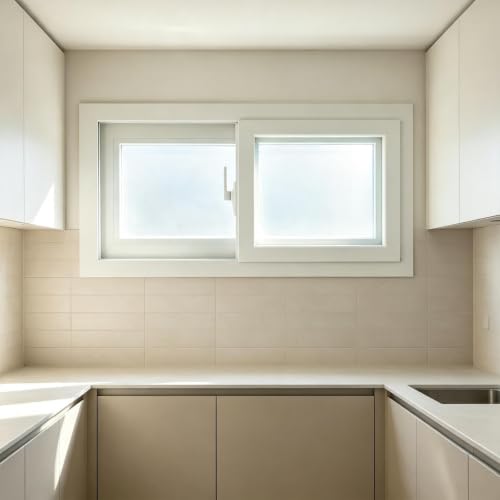
Vinyl Basement Sliding Window with Double Pane Tempered Glass

Vinyl Horizontal Sliding Window with Screen and Frosted Glass

Black Aluminum Basement Sliding Window with Frosted Glass

White Horizontal Sliding Window with Screen and Double Pane Tempered Glass

Basement Slider Window 31x12in Replacement Window with Tempered Glass and Screen

Basement Slider Window 31x12in Replacement Window with Tempered Glass and Screen
The Picks, Examined More Closely
This 31 x 12 slider is the kind of window you pick when you want one part to handle most of the job without overthinking the choice. The aluminum frame measures roughly 3.15 inches in width, which gives the sash (the movable panel that holds the glass) enough rigidity to stay square even in older basement openings that have shifted a little over the years. Tempered glass (heat-treated for higher impact resistance) keeps the room safer if anything ever hits the pane, and the included fiberglass mesh screen lets you run airflow without dragging in leaves and dust.
For most homeowners replacing a single drafty slider, this unit lands in a comfortable middle ground. It isn’t the flashiest pick on the list, but the materials are honest and the build is straightforward enough that first-time installers tend to get through the swap in a single afternoon.
A Favorable Mix
- 3.15-inch aluminum frame resists flex in imperfect openings
- Tempered glass adds a meaningful safety margin in lower-level rooms
- Mesh screen supports year-round ventilation without debris
- Sliding action saves clearance space compared to crank-out designs
Things To Consider
- Single-pane glass offers limited insulation in unheated basements
- Aluminum frames conduct temperature, so condensation can form in cold months
- Screen sits on the interior and may need seasonal cleaning to stay clear
Who It Suits Best
Homeowners tackling a standard basement slider swap on a budget, especially in above-grade or semi-heated lower levels.
Consider Something Else When
You want better thermal performance, in which case the Vinyl Basement Sliding Window with Double Pane Tempered Glass is a smarter match.
Vinyl (uPVC) frames are a different animal from aluminum, and this slider leans into everything that material does well. The white frame never needs painting, won’t pit or corrode in damp basement air, and the double pane tempered glass does a noticeably better job holding interior temperature than the single-pane options higher up the list. Compared to the aluminum slider in pick 1, this one trades a bit of frame rigidity for far better day-to-day livability.
The horizontal slide is manual, so you’ll pull the panel left or right by hand, and the included screen handles the everyday airflow job. It’s a quiet, easy unit that works in finished basement bedrooms, home offices, and anywhere you’d rather not think about your windows for a few years at a time.
Bright Spots
- Double pane glass noticeably reduces drafts in cooler basements
- uPVC frame resists moisture and never needs repainting
- Clear glass maximizes daylight in darker lower-level rooms
- Sliding action keeps the frame depth shallow against the wall
Worth Noting
- uPVC can expand slightly in direct sun, so check the fit during hot afternoons
- White vinyl shows surface dust more than darker frames do
Made For
Householders finishing a basement into usable living space who want a window that disappears into the background and just works.
Where Another Pick Suits Better
Bathrooms and laundry rooms where frosted glass matters more than clear daylight, in which case the Vinyl Horizontal Sliding Window with Screen and Frosted Glass is a better fit.
This is the same dependable uPVC platform as the previous pick, but with frosted single pane tempered glass instead of clear double pane. The swap trades a small amount of thermal efficiency for a meaningful upgrade in privacy, which is exactly the right call for bathrooms, ground-floor half-baths, and basement rooms where passers-by would otherwise see straight in. Light still passes through; shapes and silhouettes just blur out.
The screen supports routine airflow without exposing the frosted pane to direct contact from outside. For a basement powder room or a window next to a fence line, that balance tends to be the deciding factor.
Practical Pluses
- Frosted pane softens light and obscures interior views
- uPVC frame handles humid bathroom air without swelling or flaking
- Sliding track keeps the window usable in tight wall spaces
- Aluminum-look maintenance is essentially zero, just an occasional wipe
Trade Offs
- Single pane glass offers less insulation than the double pane option
- Frosted finish slightly reduces the brightness of the room versus clear glass
Best Suited To
Basement bathrooms, ground-floor utility rooms, and anywhere that calls for soft daylight with built-in privacy.
Look Elsewhere When
You’re going for a clean, modern aesthetic and want a darker frame, in which case the Black Aluminum Basement Sliding Window with Frosted Glass suits the look better.
If the white frames above feel a little too utilitarian for your space, this black aluminum slider flips the script. The dark finish reads more like a deliberate design choice than a builder-grade install, which makes it a natural fit for finished basements that lean modern or industrial. Underneath the powder-coated surface, the aluminum frame still gives you the rigidity and slim sightlines that metal offers.
It pairs frosted double pane tempered glass with a screen, so privacy and thermal performance both land in solid territory. Compared to the white vinyl frosted slider, this unit trades a touch of moisture immunity for a much more design-forward look.
Everyday Wins
- Black finish hides smudges and fingerprints far better than white vinyl
- Double pane frosted glass balances privacy with usable daylight
- Aluminum frame holds its shape in slightly out-of-square openings
- Modern styling suits finished basements, home bars, and media rooms
Points To Note
- Aluminum conducts temperature, so exterior condensation can form in cold weather
- Black frames absorb more heat, which may matter in direct summer sun
Right Fit For
Design-conscious renovators finishing a basement into a media room, home bar, or guest suite where the window needs to look intentional.
A Better Fit Elsewhere
Rough-use environments like a shed or chicken coop, where the Basement Slider Window 31x12in Replacement Window with Tempered Glass and Screen is the more durable choice.
This is the white-frame sibling of the black slider above, and it carries the same frosted double pane tempered glass setup. Where this one wins is in spaces that call for a clean, no-drama look: laundry rooms, storage areas, mechanical rooms, and basements where the window mostly needs to do its job quietly. The white finish blends into most wall colors without drawing attention to itself.
Functionally, the manual horizontal slide is identical to the black version, so the experience is familiar if you’ve handled a similar unit before. Owners commonly find the screen easy to remove for cleaning, which is the kind of small detail that saves frustration a year or two down the road.
Well-Handled Touches
- White aluminum frame pairs well with most trim and wall colors
- Double pane frosted glass keeps the room comfortable year-round
- Removable screen simplifies seasonal cleaning
- Sliding track keeps the wall depth shallow for tight rooms
Honest Caveats
- Aluminum can show interior condensation during cold snaps
- White powder coat may need occasional gentle cleaning to stay bright
Who Should Grab It
Anyone replacing a slider in a utility-focused room where reliability and a neutral look matter more than bold styling.
Skip It When
You need maximum impact resistance for an outbuilding, in which case the Basement Slider Window 31x12in Replacement Window with Tempered Glass and Screen is the tougher call.
This slider is built for spaces that ask a little more of a window: sheds, detached garages, chicken coops, and basements where the opening sees more than its share of bumps. The aluminum frame uses the same 3.15-inch profile that made the first pick on this list feel sturdy, and the double glazed tempered glass (two panes with a sealed air gap, treated for impact resistance) adds a noticeable layer of insulation and sound dampening over the single-pane options earlier on.
Where this one stands apart is in rougher environments. The thicker glass holds up better to accidental contact, and the wide aluminum frame gives you more material to seal against an outbuilding wall that may not be perfectly flat. It’s a workmanlike choice, and the right one when the window needs to take a few hits and keep going.
Features That Help
- Double glazed tempered glass resists impact and softens outside noise
- Wide aluminum frame seals reliably against slightly uneven walls
- Sliding action keeps the moving parts simple and field-serviceable
- Screen handles airflow without inviting insects into the space
Factors To Consider
- Heavier glass adds weight that may need extra shimming during install
- Aluminum frame will sweat in extreme cold without a thermal break
The Right Fit
Outbuilding owners and rural-property homeowners who need a slider that handles temperature swings, dust, and the occasional knock.
Another Choice May Suit
Finished basement living spaces where insulation matters more than brute strength, in which case the Vinyl Basement Sliding Window with Double Pane Tempered Glass serves better.
The final pick on the list shares its bones with the previous slider, but its installation angle shifts the audience. The aluminum frame and double glazed tempered glass are unchanged, yet the design intent leans toward a quicker swap. For homeowners replacing an aging slider without wanting to reframe the rough opening (the structural framing inside the wall that the window sits against), that ease of install can save an entire weekend.
In day-to-day use, the manual slide is smooth, the screen stays in place, and the room gets a meaningful bump in natural light. It’s a sensible pick for someone doing a one-for-one replacement on a tired unit.
Notable Gains
- Install-friendly design suits straightforward one-for-one replacements
- Double glazed tempered glass improves comfort and sound control
- Aluminum frame gives the sash a solid, non-flexing feel
- Sliding panel keeps wall depth minimal in tight basement wells
Small Caveats
- Single SKU (stock keeping unit) color and size may require confirmation before ordering
- Aluminum still sweats in deep cold without a separate insulation approach
Whose Shelf It Belongs On
DIYers and first-time window swappers who want a no-surprise install without reframing the opening.
Reach For A Different Pick When
You want a darker, more modern aesthetic, in which case the Black Aluminum Basement Sliding Window with Frosted Glass fits the design better.
What Matters Most When Picking a 31 x 12 Basement Slider
Frame Material Sets the Daily Tone
Aluminum frames are stiff, slim, and handle imperfect openings well, but they conduct temperature and can sweat in cold weather. uPVC (rigid vinyl) frames ignore moisture, never need paint, and insulate better, though they can expand slightly in direct sun. Pick aluminum for outbuildings and rougher installs; pick uPVC for finished living space where you want a maintenance-free decade.
Glass Configuration Drives Comfort
Single pane tempered glass is the budget-friendly baseline: it adds safety over standard annealed glass (ordinary glass that breaks into sharp shards) but offers modest insulation. Double pane glass adds a sealed air gap that noticeably cuts drafts and outside noise. For unheated basements and sheds, single pane is usually enough. For finished rooms where you’ll spend real time, double pane is the smarter call.
Privacy and Light Often Trade Places
Clear glass floods a room with daylight but exposes everything inside. Frosted glass softens that light and obscures the view, which is the right pick for bathrooms and ground-floor rooms. Choosing between the two is really about how the room is used and what sits outside the window at eye level.
Screen and Sliding Mechanics Matter Long Term
A removable screen makes seasonal cleaning far easier than a fixed one. Manual horizontal slides save wall depth and avoid the mechanical complexity of crank operators, which is why every pick on this list uses that format. For a basement well or a tight shed wall, that sliding simplicity tends to pay off for years.
Key Considerations Across These Picks
Where Shoppers Go Wrong
A common slip is ordering by the rough opening (the structural framing inside the wall) without confirming the actual frame dimensions of the new window. Basement openings shift over decades, and a 31 x 12 nominal size can hide an opening that needs shimming or reframing. Measure twice, including depth, before any swap.
Another trap is assuming every slider arrives with mounting hardware and trim. Many of these units ship as the window only, so plan to source flashing tape, shims, and exterior trim separately. Skipping that step leads to a drafty fit that no amount of caulk fully fixes.
Where The Extra Money Goes
Stepping up from a single pane aluminum slider to a double pane uPVC unit usually means better insulation, less condensation, and zero repainting over the window’s life. In finished basements where the window sits inches from where you sit or sleep, that comfort bump is genuinely worth the difference. For unheated sheds and utility spaces, the upgrade rarely earns its keep, and a sturdy single pane aluminum slider is the more honest pick.