

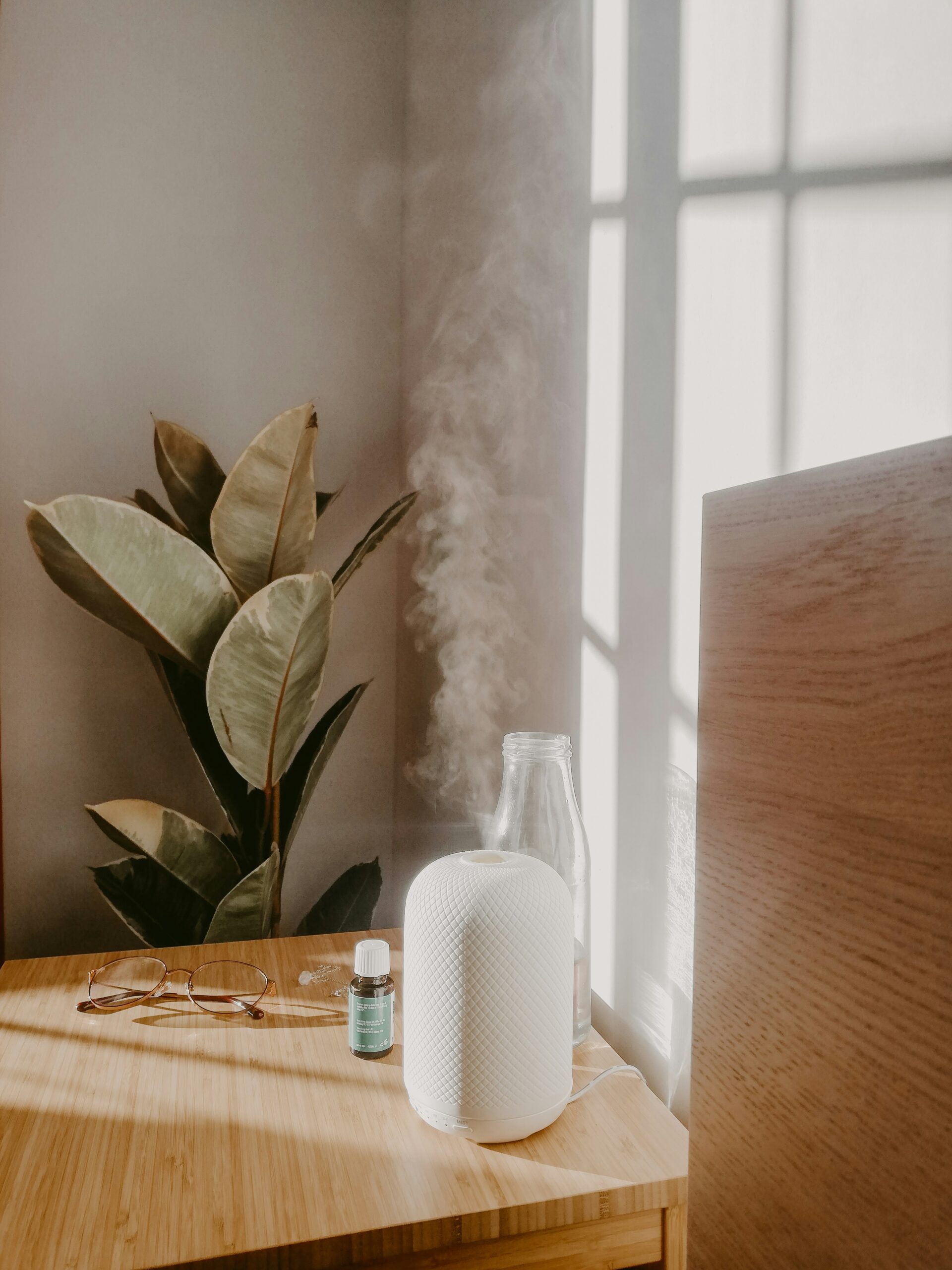

Microbial growth, mineral buildup, or excess moisture inside a humidifier can absolutely produce a musty smell in a room, and each of those issues leaves distinct odor clues. Stagnant water in the tank, biofilm on wetted surfaces, and white dust from hard water each release volatile compounds that smell earthy, damp, or basement-like. The right response is to identify which problem is driving the smell rather than mask it with fragrance or essential oils.
What follows covers where the odor comes from, how room conditions amplify it, the cleaning routine that actually removes it, and when to suspect a problem larger than the humidifier itself.
Why a Humidifier Can Make a Room Smell Musty
Bacteria, mold, and biofilm thrive when stagnant water sits on warm plastic in the dark, and their volatile compounds are precisely what produce the musty odor you notice. Microbial volatile organic compounds, or mVOCs, give off that earthy, wet-cardboard scent long before visible mold appears on the tank wall.
Ignoring the smell does more than ruin a room’s comfort. Continuous exposure to mold spores and bacteria can aggravate asthma, trigger sinus irritation, and worsen indoor air quality for anyone nearby, including children and pets. A quick diagnosis protects the air you breathe and extends the life of the unit, because the same biofilm that smells bad also clogs wicks, coats heating elements, and stresses the motor over time.
Two identical units sit on the same nightstand for one week, one cleaned daily and one left alone. The neglected unit smells like a wet towel by day three, the cleaned one stays neutral. The difference is the water and the maintenance, not the brand.
The Microbial Roots of That Earthy Smell
Tap water in a humidifier tank is not sterile, and the moment you switch the unit on, the interior becomes warm, dark, and moist, three conditions microbes love. Within 24 to 48 hours, bacteria such as Pseudomonas and Serratia, along with common indoor molds like Aspergillus and Cladosporium, can colonize the standing water reservoir and form a slimy layer called biofilm on every wet surface.
Biofilm, Minerals, and the Odor Cycle
Biofilm is not just a thin film; it is a living matrix that shelters microbes from cleaning attempts and continuously sheds cells and odors into the airstream. Each breath of mist carries a small dose of those compounds, which is why a neglected humidifier smells worse the longer it runs.
Hard water makes the problem worse. Calcium and magnesium in unfiltered tap water deposit as white scale, and that scale traps moisture in crevices where microbes can multiply even after a rinse. White dust on nearby furniture is the visible symptom of the same mineral release that feeds the microbial cycle inside the tank.
Why Some Units Smell Faster Than Others
Ultrasonic humidifiers aerosolize everything in the tank, including minerals and microbes, which is why a dirty ultrasonic unit can make a room smell musty within hours. Evaporative models rely on a wick filter, and a wick that is not replaced on schedule becomes its own microbial reservoir. Warm-mist humidifiers heat the water, which kills some organisms but leaves mineral deposits that still trap moisture and odor in the base.
Even with the tank itself disinfected, the surrounding room can quietly undo that work every time you refill.
Room Conditions That Turn a Clean Humidifier Into a Problem
Even a spotless humidifier can create a musty room if the surrounding environment traps moisture. Indoor relative humidity above 50 to 60 percent encourages condensation on walls, curtains, and carpet, and that surface moisture invites mold colonies that smell exactly like the humidifier itself.
Ventilation, Over-Humidification, and Seasonal Traps
Poor ventilation and airflow is the silent partner of every musty-smell complaint. Closed windows in winter, exhaust fans turned off, and tightly sealed bedrooms all stop moist air from leaving, so each humidifier cycle adds humidity that the room cannot shed. Without a hygrometer to measure the output, it is easy to push a small bedroom past the comfort zone without realizing it.
Seasonal habits make the issue predictable. Winter brings closed windows and cold exterior walls where warm indoor air condenses; summer brings already-humid outdoor air that the humidifier stacks on top of. Either way, the result is the same: damp surfaces, stale air, and an odor that returns the moment you refill the tank.
A Practical Cleaning Routine to Eliminate the Odor
The fastest way to get rid of musty smell from a humidifier is a consistent cleaning schedule, not a single deep scrub. Microbes regrow quickly, so the routine has to match their speed rather than your memory.
Daily and Every-Few-Day Tasks
- Drain and rinse: Empty the tank each morning, swish with clean water, and let it air-dry upside down on a towel before the next use.
- Refill with fresh water: Topping off standing water is the most common cause of a humidifier smelling like mildew within hours.
- Wipe the base: A quick pass with a dry cloth removes the film that forms around the mist outlet overnight.
- Skip essential oils: Oils coat the transducer and feed biofilm, which speeds up odor development in ultrasonic units.
Weekly Deep Clean
Disassemble the tank, base, wick, and any removable filter once every 1 to 3 days during heavy use, and at minimum once a week in normal use. Scrub the interior with a soft brush using either white vinegar (undiluted, let sit 20 minutes) or a dilute bleach solution of about one teaspoon per gallon of water. Pay special attention to the seams, the cap threads, and the transducer plate on ultrasonic units, because these hidden crevices hold the biofilm that causes the smell.
Rinse every part thoroughly with running water so no cleaning agent aerosolizes into the breathing air. Allow all components to air-dry completely on a clean towel before reassembly, because even slightly damp surfaces restart the microbial clock the moment the unit is plugged back in.
A clean unit only stays clean if the water you pour in next gives microbes nothing to grab onto.
Water Choices and Ongoing Habits That Prevent Returns
Cleaning stops the current smell, but the water you pour in determines how fast the smell returns. Switching the source and tightening a few habits is what keeps a humidifier from making a room smell bad week after week.
Water Type and Consumable Parts
- Distilled or demineralized water: Cuts the minerals that form white dust and the scale that shelters microbes.
- Fresh refills only: Each session starts with clean water; never top off a tank that has been sitting.
- Filter and wick schedule: Replace on the manufacturer’s timeline, usually every 30 to 60 days for wicks and every 2 to 3 months for filters.
- Room humidity target: Keep indoor relative humidity between 30 and 50 percent, the range the EPA recommends to slow mold and bacterial growth.
A basic hygrometer costs less than a tank of water and turns humidifier use from guesswork into a measured habit. Brands like Honeywell, Levoit, and Dyson all sell units with built-in humidistats that shut off automatically when the target humidity is reached, removing the over-humidification risk entirely.
If the smell still drifts out after every routine, the answer usually lies in the unit itself rather than your habits.
When the Smell Survives Cleaning and What It Really Means
Sometimes the humidifier is clean, the tank is fresh, the humidity is at 45 percent, and the musty smell still lingers. At that point the humidifier is no longer the suspect; the room is.
Hidden Mold in Walls, Carpets, and Ducts
Persistent odor after a thorough cleaning often points to mold colonies in places the humidifier mist can reach but the eye cannot. Common culprits include the back of a bedroom closet, the carpet pad under a heavily used area rug, the condensate pan of an HVAC system, and ductwork lined with dust that holds moisture. Clinical guidance from the Mayo Clinic notes that ongoing musty odors with no visible source warrant professional inspection, especially when occupants develop sinus or respiratory symptoms that ease away from home.
A new humidifier that smells musty out of the box is a different problem. Factory residue, mold-release agents, and packaging dust can create a one-time odor that disappears after a full flush and 24-hour airing. Run the unit with fresh distilled water for a full cycle outdoors or in a garage before using it in a bedroom.
Stop using the unit immediately and air out the room if anyone in the home experiences coughing, throat irritation, or headaches that fade when they leave the space. The humidifier has become a delivery system for something the lungs do not want.
Maintaining Fresh Air: Habits That Keep the Smell Away for Good
A humidifier is only as clean as the last refill, so the goal is to make the right habits automatic rather than occasional. A small weekly ritual paired with simple tracking removes the guesswork that lets a musty smell sneak back in.
The Weekly Maintenance Habit Stack
- Tie cleaning to refills: Wipe the base every time you dump old water, so the tank never sits dirty overnight.
- Pair humidifier use with ventilation: Crack a window or run the bathroom fan for 10 minutes after a long humidifier cycle to shed excess moisture.
- Track humidity by season: A $10 hygrometer on the nightstand tells you when the room is full and the unit can rest.
- Calendar every consumable: Note the install date on new wicks and filters with a piece of tape, so replacements happen before the smell returns.
These four habits do not take more than a few minutes per week, and they address every major cause covered in the sections above: microbial growth, mineral buildup, over-humidification, and stale air.
| Humidifier Type | How It Spreads Odor | Weak Spot |
|---|---|---|
| Ultrasonic | Aerosolizes minerals and microbes directly into the air | Transducer plate traps biofilm and scale |
| Evaporative | Pushes air through a wet wick that can harbor growth | Wick filter becomes a microbial reservoir if not replaced |
| Warm-mist | Boils water, which reduces some microbes | Mineral deposits build up in the base and heating element |
| Impeller | Uses a rotating disk to fling water into a fine mist | Standing water in the reservoir supports biofilm |
FAQ
Can a humidifier actually cause a musty smell in a room?
Yes. A humidifier can cause a musty smell in a room when biofilm, mold, or mineral buildup develops inside the tank or on wetted parts, and the unit aerosolizes those compounds with every cycle. The odor is a sign of microbial growth, not a quirk of the device.
Why does my humidifier smell musty or like wet dog?
The odor comes from microbial volatile organic compounds released by bacteria, mold, and biofilm growing in standing water or on wet internal surfaces. Stagnant tank water becomes a breeding ground within 24 to 48 hours, and the smell intensifies each time the unit runs.
Is the musty smell from my humidifier dangerous?
For most people the odor itself is unpleasant rather than toxic, but the spores and bacteria riding along with the mist can aggravate asthma, trigger sinus infections, and irritate the lungs over time. The CDC recommends stopping use and ventilating the room if anyone develops respiratory symptoms after running the unit.
How do I get rid of the musty smell coming from my humidifier?
Drain and rinse the tank daily, then deep-clean every 1 to 3 days with white vinegar or a dilute bleach solution, scrubbing seams, the cap, and the transducer plate. Rinse thoroughly, air-dry all parts, and refill with fresh distilled water before the next use.
How often should I clean my humidifier to prevent odors?
Rinse the tank daily, deep-clean every 1 to 3 days during heavy use, and at minimum once a week in normal use. Replace wicks every 30 to 60 days and filters every 2 to 3 months to stay ahead of microbial regrowth.
What type of water should I use in a humidifier to avoid musty smells?
Distilled or demineralized water is the best choice because it removes the calcium and magnesium that form scale and feed microbial growth. If distilled water is not practical, use the cleanest tap water available and clean the unit more frequently to compensate for the minerals.