

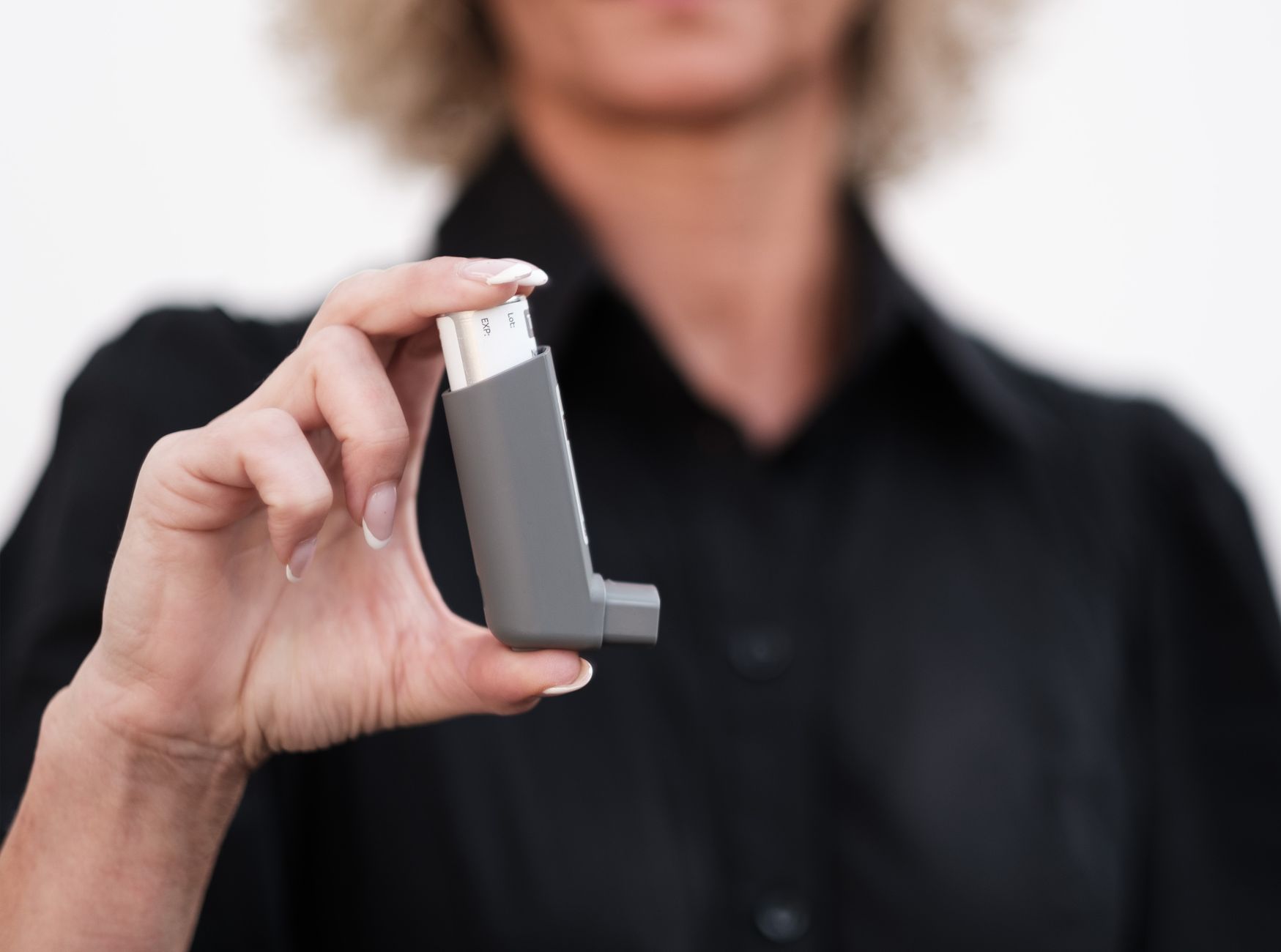

Yes, a humidifier can trigger asthma symptoms when indoor relative humidity climbs above roughly 50%, when the tank breeds mold or bacteria, or when ultrasonic models aerosolize mineral dust from tap water. The device itself is neutral; humidity level, water quality, and cleaning habits decide whether your airways feel soothed or irritated. Many people run a humidifier for comfort and end up with coughing, wheezing, or chest tightness they did not expect.
This practical walkthrough covers how excess moisture, dirty tanks, and ultrasonic mineral dust can aggravate asthma, and explains how to keep indoor humidity inside the safe 30–50% window without sacrificing comfort.
The Relationship Between Humidifiers and Asthma
Humidifiers add water vapor to indoor air, which can soothe scratchy throats and dry sinuses during winter. For someone with asthma, that moisture sometimes helps thin mucus and make breathing easier. The same moisture, however, feeds dust mites and mold colonies that release potent allergens into the room, and that is where the trouble begins.
Asthma is a chronic inflammatory condition, so any airborne irritant, from mold spores to mineral dust, can provoke bronchospasm in sensitive airways. The American Lung Association notes that indoor air quality directly affects how often asthma symptoms flare, and humidity sits among the most controllable variables in any home.
The device itself does not cause asthma. Surrounding humidity, the cleanliness of the tank, and the type of water you use all decide whether running a humidifier helps your breathing or quietly works against it. Think of the unit as a tool: the same tool can build a shelf or smash a thumb, depending on the hands holding it.
Because the right humidity level hinges on how the tool is used, the mechanics behind over-humidification deserve a closer look.
Why Over-Humidification Worsens Airway Inflammation
When indoor relative humidity climbs past 50%, dust mites multiply rapidly in bedding, carpets, and upholstered furniture. Mite droppings contain proteins that rank among the most common asthma allergens, and a single gram of dust can hold thousands of these particles. You breathe them in without seeing them, and reactive airways respond with coughing, wheezing, or that tight-chest feeling at 3 a.m.
Mold follows the same pattern. Spores colonize walls, window frames, and the humidifier’s own tank once humidity stays high, releasing mycotoxins that irritate respiratory mucosa. The Asthma and Allergy Foundation of America notes that mold sensitivity is a significant trigger for both children and adults with persistent asthma, especially in poorly ventilated rooms.
Moist Airways Are Not Always Healthy Airways
Excess humidity can deepen inflammation rather than relieve it. Airways that stay damp produce thicker mucus, which traps more particles and makes each breath feel heavier. The feeling of “heavy air” during a humid summer is not imagination; it reflects a measurable change in how easily oxygen crosses into your bloodstream.
Mineral dust from tap water adds another layer. Ultrasonic and impeller models break water into a fine mist, and any dissolved calcium, magnesium, or chlorine rides along. That white dust settles on furniture and enters your lungs, where it acts as an inhalant allergen for sensitive airways and a known irritant that can tighten bronchi within minutes.
Pinpointing that middle range is only useful if you can measure it, which is where a hygrometer comes in.
Safe Humidity Ranges and the Role of a Hygrometer
The EPA and most pulmonologists recommend keeping indoor relative humidity between 30% and 50%. That window balances comfort with microbial control, keeping your mucous membranes moist without giving dust mites and mold the wet environment they need to thrive.
A hygrometer removes the guesswork. These inexpensive digital or analog gauges sit on a shelf or wall and give you a real number instead of a vague feeling. Place one in any room where you run a humidifier and check it daily until you learn how your unit behaves over time.
What the Numbers Mean for Your Symptoms
Below 30%, the mucous membranes in your nose and throat dry out, which can trigger a cough reflex and leave airways more vulnerable to viruses and irritants. Above 50%, the risk shifts toward allergen growth, condensation on windows, and that musty smell that signals mold is settling in. The sweet spot sits in the middle, where your airways stay comfortable and microbes stay dormant.
Once you know the target number, the delivery mechanism shapes whether you actually land there or overshoot it.
| Relative Humidity | What Happens | Asthma Implication |
|---|---|---|
| Below 30% | Dry mucous membranes, static, irritated skin | Cough, scratchy throat, increased infection risk |
| 30% to 50% | Comfortable air, minimal microbial growth | Generally safe for most asthma sufferers |
| 50% to 60% | Dust mites multiply, condensation appears | Increased wheezing and nighttime symptoms |
| Above 60% | Mold colonies establish, musty odor | Significant risk of asthma flare-ups |
Humidifier Types and Their Asthma Risk Profiles
Not every humidifier carries the same risk. The mechanism that creates mist determines what ends up in your air, from mineral particles to live bacteria and the VOCs that off-gas from a neglected tank.
Cool-Mist Evaporative Models
Evaporative units draw room air through a wet wick filter, then blow the saturated air back out. They produce fewer ultra-fine particles than ultrasonic models, but the wick itself becomes a breeding ground for biofilm if you skip cleanings. Replace the wick on schedule, usually every 1 to 2 months, and rinse the base daily to keep microbial counts low.
Ultrasonic Units
Ultrasonic humidifiers use a vibrating diaphragm to break water into a cool mist. They run quietly and efficiently, yet they aerosolize whatever is dissolved in the water. Tap water contains calcium, magnesium, and trace metals that become a visible white dust on nearby surfaces and inside your lungs. Demineralized or distilled water solves the problem and is the single biggest upgrade you can make to this style of unit.
Warm-Mist Humidifiers
Heating water to a rolling boil eliminates nearly all bacteria and mold spores before steam leaves the unit. The boiling process adds scald risk around children and pets, and these units consume more electricity. For asthma households, the main concern is keeping the heating element and tank free of mineral scale, which requires weekly descaling with white vinegar.
| Type | Mist Temperature | Main Asthma Concern | Key Maintenance |
|---|---|---|---|
| Cool-mist evaporative | Room temperature | Biofilm on wick filter | Replace wick every 1–2 months |
| Ultrasonic | Room temperature | Mineral dust from tap water | Use distilled water only |
| Warm-mist | Heated | Scald hazard, mineral scale | Descale weekly with vinegar |
Warning Signs Your Humidifier Is Making Asthma Worse
The clearest signal is timing. A cough, wheeze, or tight chest that begins within an hour or two of running the unit, or that peaks after a full night of humidifier use, points strongly at humidity as the trigger. Children often show it first through restless sleep or a dry-sounding cough that does not match their other cold symptoms.
Visible mist, condensation beading on windows, or a musty smell in the room each tell you that humidity has crossed past 50%. A simple test confirms the suspicion: hold a pair of glasses in the room for a few minutes. If the lenses fog when you bring them back to room temperature, the air is saturated enough to feed mold.
An uptick in rescue-inhaler use that lines up with humidifier operation is one of the strongest signals that the device is part of the problem. Track your puffs per day for a week with the unit on, then a week with it off. The pattern often speaks for itself.
Recurring nighttime symptoms deserve particular attention. Asthma frequently worsens during sleep because airways naturally narrow, and adding humid air laden with allergens compounds that effect. A child who only coughs between midnight and dawn during humidifier season is giving you a clear, repeatable data point.
Cleaning Routines and Best Practices for Asthma-Safe Use
Biofilm, a slimy layer of bacteria and mold, forms inside any humidifier tank within days. That film then aerosolizes with every burst of mist, sending live microbes straight into your airways. Daily rinsing and weekly deep cleaning keep biofilm from establishing a foothold in the unit.
Daily and Weekly Tasks
- Empty and rinse the tank every morning and let it air-dry upside-down on a clean towel to deny mold the moisture it needs.
- Refill with fresh water each time you run the unit, because standing water grows microbial colonies within 24 to 48 hours.
- Deep-clean weekly with a solution of one teaspoon of bleach per gallon of water, or undiluted white vinegar, then rinse thoroughly to remove residue.
- Replace wick filters on the schedule printed in the manual, usually every 30 to 60 days of regular use.
- Use distilled or demineralized water in ultrasonic models to eliminate the white-dust problem at its source.
- Run the unit only in occupied rooms and shut it off once the hygrometer reads 50% to prevent silent over-humidification.
Placement and Airflow
Position the humidifier a few feet off the floor on a stable surface, away from walls, bedding, and electronic equipment. Mist that settles directly into a pillow or comforter creates a damp zone where dust mites thrive within days. Good airflow dilutes the moisture and helps it distribute evenly through the room.
Pair the humidifier with a HEPA filter running in the same space. The HEPA captures mold spores, dust mite debris, and mineral dust that the humidifier might release, giving your airways a second line of defense. Many people find this combination turns the humidifier from a suspected trigger into a genuinely helpful part of their asthma management plan.
When to Switch to a Dehumidifier or Call a Doctor
Persistent dampness, condensation on cold surfaces, or a humidity reading that stays above 50% even with the humidifier off suggests the room has too much moisture, not too little. A dehumidifier pulls water out of the air and is the right tool for basements, bathrooms, and coastal climates where ambient humidity already runs high.
Anyone whose symptoms do not improve after adjusting humidity and sticking to a strict cleaning routine should consult a physician. Uncontrolled asthma may need a medication review, a step-up in controller therapy, or allergy testing to identify specific triggers the humidifier is amplifying. Keeping a simple two-week log of symptoms, humidity readings, and medication use helps your clinician spot patterns faster than memory alone.
A Quick Decision Guide
Run a humidifier when the hygrometer reads below 30% and you notice dry-air symptoms like nosebleeds or a scratchy throat. Switch to a dehumidifier when readings stay above 50% or when condensation appears on windows. Call a doctor when symptoms persist despite the right humidity level, when rescue-inhaler use climbs, or when sleep disruption continues for more than a week. Each path addresses a different root cause, and the right one depends on what your home and your lungs are telling you.
Bottom Line
A humidifier becomes a problem only when humidity climbs past 50%, when the tank breeds microbes, or when mineral-laden tap water turns to white dust in the air. Keep a hygrometer within sight, run distilled water in ultrasonic units, clean the tank daily, and shut the device off once the room hits the target range. Your lungs will tell you, through easier breathing and fewer rescue-inhaler puffs, when the setup is right.
FAQ
What humidity level is best for someone with asthma?
Indoor relative humidity between 30% and 50% generally keeps airways comfortable without feeding dust mites or mold. A hygrometer lets you verify the level instead of guessing, and most asthma specialists consider this range the safest target for year-round use.
Can a dirty humidifier cause asthma attacks?
Yes, a tank coated with biofilm releases bacteria and mold spores directly into the mist you breathe, which can trigger bronchospasm in sensitive airways. Daily rinsing and weekly deep cleaning with diluted bleach or white vinegar prevent that buildup and keep the output safe.
Should people with asthma use a humidifier or dehumidifier?
It depends on the room’s baseline humidity. Use a humidifier when readings fall below 30% and you have dry-air symptoms, and switch to a dehumidifier when readings stay above 50% or condensation appears. Many homes need both devices in different seasons.
What are the signs a humidifier is worsening asthma?
Coughing, wheezing, or chest tightness that starts within hours of running the unit, visible mist, window condensation, musty odors, and increased rescue-inhaler use are the most common signals. Tracking symptoms alongside humidity readings reveals patterns that memory alone tends to miss.
How often should you clean a humidifier to prevent asthma flare-ups?
Rinse and air-dry the tank daily, then deep-clean with diluted bleach or white vinegar once a week. Replace wick filters every 30 to 60 days according to the manufacturer’s schedule, and always start with fresh water rather than refilling from the previous session.
Can ultrasonic humidifiers trigger asthma symptoms?
Ultrasonic models aerosolize minerals from tap water, and that fine white dust irritates reactive airways. Switching to distilled or demineralized water eliminates the dust and often resolves symptoms that started after switching to an ultrasonic unit.