

A few daily and weekly habits are all it takes to deny microbes the warmth, stillness, and nutrients they need to colonize a humidifier tank, because every reservoir is essentially a sealed incubator that runs on room-temperature water. Stagnant liquid at 20–25°C lets bacterial colonies double every 20 to 30 minutes, so a tank filled at 10 p.m. can host millions of organisms by morning, and each one is small enough to ride a mist droplet straight into your airways.
This practical walkthrough breaks down the daily and weekly habits that keep a humidifier’s reservoir from turning into a breeding ground, covering water choice, cleaning routines, and built-in features that genuinely help.
The Microbial Environment Inside a Humidifier Tank
A humidifier tank checks every box on a microbe’s wish list: it is sealed, dark, and wet, with a steady supply of dissolved minerals and organic dust. A tank that looks perfectly clear at bedtime can already shelter an established biofilm by sunrise, because the doubling time for common humidifier species like Serratia marcescens sits between 20 and 30 minutes at room temperature.
Biofilm vs. Mineral Scale
A slimy, living layer of bacteria and mold that grips plastic and rubber, biofilm looks and behaves very differently from the chalky crust that calcium and magnesium leave behind when they precipitate out of hard water. Both problems feed each other: scale gives biofilm more surface area to grip, and biofilm traps more minerals against the plastic, which is why the two almost always appear together in neglected tanks.
Pink, black, or white residue is never cosmetic. Pink slime on the waterline almost always points to Serratia marcescens, a bacterium that flourishes in damp bathrooms, and black or white specks inside the tank usually signal mold colonies that have already taken hold. Both are reasons to deep-clean the unit the same day you spot them.
Pathogens Linked to Humidifier Use
Documented outbreaks tied to humidifiers include Legionella, the bacterium behind Legionnaires’ disease, and Pseudomonas aeruginosa, which can inflame airways in people with asthma or weakened immune systems. Poorly maintained units are flagged as a recognized exposure route in clinical settings, and that same risk applies, on a smaller scale, to home use when the tank goes days without a rinse.
Choosing the Safest Water for Your Unit
Water choice shapes everything that happens inside the tank afterward. Hard tap water leaves mineral deposits that biofilm clings to, while purified water starves microbes of the mineral scaffolding they need to colonize surfaces, and the difference shows up in the tank within a week.
| Water Type | Mineral Content | Effect on Tank | Best For |
|---|---|---|---|
| Distilled or demineralized | None | No white dust, slow biofilm | All humidifier types |
| Reverse-osmosis filtered | Very low | Minimal scale, clean mist | Budget-friendly alternative to distilled |
| Standard tap (soft region) | Low to moderate | Light scale over time | Short-term use if cleaned daily |
| Hard tap water | High calcium and magnesium | Heavy scale, white dust, faster biofilm | Avoid when possible |
When Tap Water Is Acceptable
A single overnight run in a soft-water region is usually safe with municipal water, provided the tank is emptied and rinsed the next morning. Boiling tap water first kills some microbes but concentrates the dissolved minerals, which speeds scale buildup once the water cools, so boiling is a poor substitute for switching water type.
Even the right water, however, only buys you time if the tank itself never gets a proper wash.
The Daily Routine That Stops Bacteria in Its Tracks
Bacteria cannot multiply without time, so the strongest daily habit is refusing to give them any. A two-minute morning routine interrupts the growth cycle before it ever becomes visible, and once the steps are paired with coffee or another fixed habit, the cleanup fades into muscle memory within a week.
The Five-Step Morning Reset
- Drain the tank fully. Pour every drop of standing water into the sink, not back into the unit.
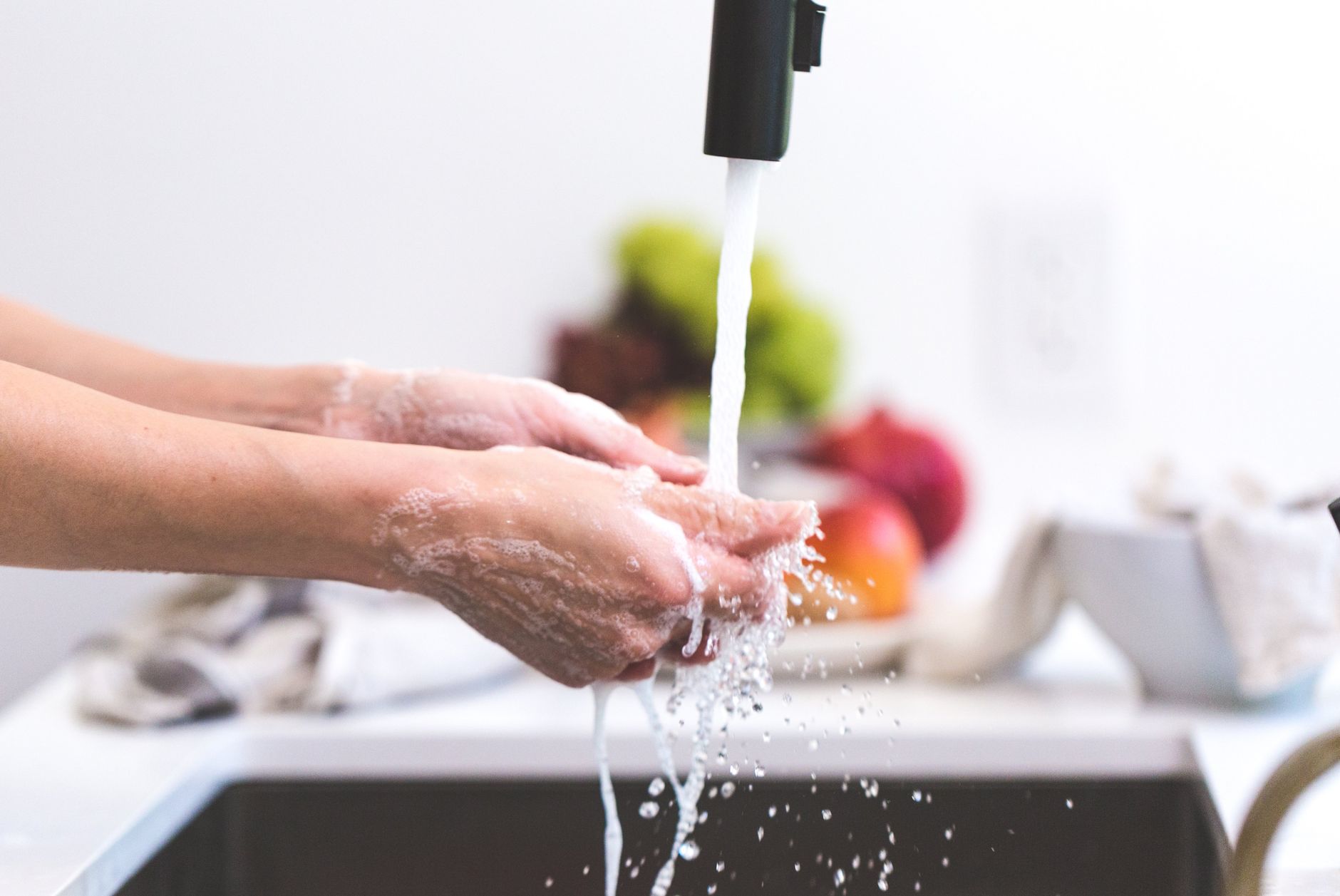
- Rinse with cool water. Swish a cup of fresh water around the inside to dislodge loose film.
- Wipe the base. Use a clean cloth on the water channel and any misting ports you can reach.
- Refill with clean water. Use distilled or filtered water to slow mineral deposits.
- Air-dry the empty tank. Leave the cap off for at least an hour between uses to deny microbes the moisture they need.
Keep the water temperature below 60°F (15.5°C) whenever possible, because cooler water roughly halves the rate of microbial doubling. Pair the routine with a habit you already do, and the two-minute reset stops feeling like a chore by the end of the first week.
A Weekly Deep-Clean That Eliminates Biofilm
Rinsing the tank each day clears only the surface layer, so a weekly deep-clean is needed to reach the seams, gaskets, and narrow openings where biofilm hides. Skipping this step is the most common reason tanks develop a musty smell, and that odor is usually biofilm you can smell before you can see it.
Disinfecting Options That Actually Work
Three household products are reliable when used correctly. A bleach solution of about one teaspoon per gallon of water kills most pathogens within ten minutes of contact. White vinegar cuts through mineral scale and light microbial film without fumes, making it a solid non-toxic choice. Hydrogen peroxide at 3% strength works as an alternative disinfectant, especially in homes where bleach odor lingers.
Apply the chosen solution, let it sit, then scrub every seam and gasket with a bottle brush or old toothbrush. Rinse thoroughly under running water afterward, because any residue left behind will end up in the mist and in your lungs.
Weekly scrubbing tackles the film a daily rinse leaves behind, and that’s where dedicated brushes and mild solutions come in.
Never mix bleach with vinegar or hydrogen peroxide. The chemical reactions create toxic gases that are far more dangerous than the bacteria you started with.
Smart Additives, Filters, and Humidifier Features That Help
Modern humidifiers from brands like Honeywell, Levoit, Dyson, and Vicks ship with features that cut down microbial growth, but only when used as designed. Built-in UV-C lights, antimicrobial cartridges using silver-ion technology, and Microban-treated plastics can slow colonization, though none replace regular cleaning.
| Feature | How It Helps | Maintenance Need |
|---|---|---|
| UV-C light | Damages microbial DNA as water passes | Bulb replacement every 12 months |
| Antimicrobial cartridge | Releases silver ions that inhibit growth | Swap every 1 to 3 months |
| Built-in humidistat | Stops misting once 30 to 50 percent humidity is reached | Calibrate seasonally with a separate hygrometer |
| Warm-mist or steam model | Boils water before releasing it, killing most pathogens | Descale heating element weekly |
| Wick or filter | Traps minerals before they enter the air | Replace every 30 to 60 days |
Skip essential oils and over-the-counter humidifier tablets marketed as antibacterial. Most have not been tested for inhalation safety, and oils can degrade plastic tanks, creating new crevices for biofilm to grip. Aim to keep room humidity between 30 and 50 percent, because anything above 60 percent feeds mold on walls and ceilings too.
Warning Signs, Common Mistakes, and When to Replace the Unit
Even with a solid routine, problems can creep in. The earliest detectable symptom is usually a musty, sweet, or earthy smell drifting from the mist, well before any slime shows up on the walls or waterline.
Red Flags You Should Not Ignore
Pink slime on the waterline, cloudy water that stays cloudy after a rinse, or recurring respiratory irritation after running the humidifier all point to contamination that daily cleaning cannot fix. Disassemble the unit, deep-clean every part, and run a bleach soak for 30 minutes before refilling.
Sealing a wet tank is a common habit that quietly feeds bacteria, because trapped moisture plus a closed cap creates a greenhouse. Ignoring the base is another silent mistake, since the water channel below the tank holds the warmest, most stagnant water in the whole unit.
Humidifiers older than five to seven years may have warped plastic, worn gaskets, or scratched interiors that no amount of scrubbing can fully sanitize. Run a simple decision check: if the tank still smells after a bleach soak, if the base is cracked, or if the unit predates current CDC humidifier guidance, retire it and replace the model.
Building a Sustainable Habit You Will Actually Keep
Pick one habit to start this week, such as switching to distilled water or adding the two-minute morning drain, then layer the rest over the following month. Track small wins: cleaner rinses, less white dust on nearby furniture, no musty smell when the unit kicks on. Consistency beats perfection every time, and a two-minute daily habit will always outperform a forgotten weekly scrub.
FAQ
How often should you clean a humidifier to prevent bacteria?
Empty, rinse, and refill the tank every 24 hours, and do a full deep-clean with bleach, vinegar, or hydrogen peroxide once a week. Daily rinsing stops bacteria from establishing a colony, while the weekly scrub removes biofilm that survives quick rinses.
Can you use tap water in a humidifier?
Tap water works for short runs in soft-water regions, but hard water leaves mineral scale that shelters bacteria and creates visible white dust. Distilled or reverse-osmosis water is the safer long-term choice for humidifier maintenance to avoid germs.
What can I put in my humidifier to prevent bacteria?
Stick with distilled or demineralized water as your first line of defense, and add a weekly disinfectant soak using one teaspoon of bleach per gallon of water, undiluted white vinegar, or 3% hydrogen peroxide. Avoid essential oils and unproven humidifier tablets, which can damage tanks and have not been tested for inhalation safety.
Is it safe to run a humidifier all night?
Running a humidifier overnight is safe when the tank was filled with clean water that day and the unit has a humidistat set between 30 and 50 percent. Stop the run if the room starts to feel damp or the windows fog, because excess humidity promotes mold growth on nearby surfaces.
What happens if you don’t clean your humidifier?
Skipping regular cleaning allows biofilm to build up, which can release Legionella, Pseudomonas, and mold spores into the mist. Breathing that mist over time has been linked to respiratory irritation, flu-like symptoms, and worsening asthma in sensitive individuals.
Does hydrogen peroxide kill bacteria in humidifiers?
Hydrogen peroxide at 3% strength works as an effective disinfectant for humidifier parts when used full-strength or mixed roughly one part peroxide to three parts water. Rinse the tank thoroughly after soaking, and let it air-dry before refilling.