


Moisture creeping into a basement closet, a musty smell drifting from the storage chest under the stairs, that faint fog on the inside of a gun safe door: these are the early signs mold needs to take hold. You don’t need a full HVAC overhaul to fight back. Targeted moisture control, the kind that lives inside sealed containers, toolboxes, safes, closets, and small rooms, often does more for a mold problem than a noisy whole-house unit running in the next room over.
This roundup focuses on the quieter, contained side of humidity control: desiccant packs, refill crystals, electric rods for enclosed cabinets, and small passive absorbers sized for closets and RVs. Each pick has a specific job, and matching the product to the space you need to protect is half the battle.
The Main Contenders
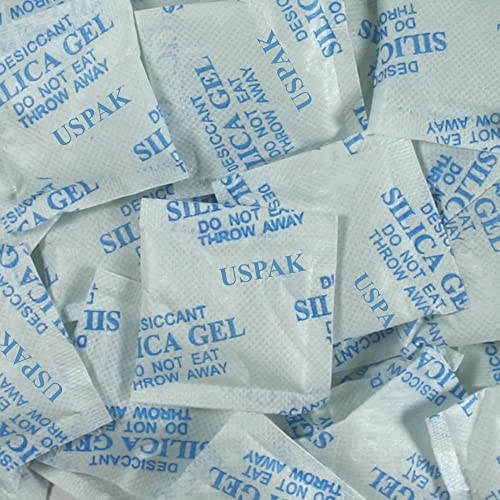
USPak Silica Gel 2g Packets (100 Count)

LotFancy Silica Gel Packets 50g, 15 Pack

Fonday Activated Alumina 4 lbs Desiccant

Lockdown Dehumidifier Rod (12 in, 4 Pack)

Wisesorb 500g Silica Gel Bags, 2 Pack

Dri-Z-Air DZA-26 Refill Crystals 26 oz

HUMYDRY 15.9 oz Refill Bags, 3 Pack

SafeNDry 450g Silica Gel Canister
The Strengths Of Each Pick
You probably don’t need a wall-mounted appliance for the problem that’s nagging at you. Most mold creep starts small: a camera bag left in a closet, a shoebox of photos, a deck of important documents in a basement cabinet. The USPak 2-gram silica packets are the disposable, low-commitment answer for those spaces, and the 100-count format means you can spread them across a dozen storage bins without thinking twice.
Each 2-gram packet is sized for roughly a gallon of sealed volume, so you’re buying coverage by the container rather than by the square foot. That math makes them feel almost free to deploy, and the small format slips into tight spaces where a rod or tray simply won’t fit.
Everyday Perks
- 100 packets let you scatter protection across multiple containers at once.
- Each 2-gram packet is sized for roughly 1 gallon of sealed space, simplifying coverage math.
- Disposable design means no recharging routine, which helps in low-attention spots like a packed holiday-decoration bin.
- Compact packets slide into camera bags, document folders, and electronics cases that can’t fit a tray.
Things To Consider
- Silica gel saturates quietly, and there’s no color indicator to tell you when a packet is spent.
- Small packets can be easy to lose track of, especially in deep storage bins.
Spec Snapshot
Who It Suits Best
Hobbyists storing lenses, documents, and small electronics in sealed bins will get the most mileage from a bulk disposable pack.
Where Another Pick Suits Better
For a long-term gun safe where you don’t want to crack it open every few weeks, the Lockdown Dehumidifier Rod runs hands-free.
The jump from 2-gram throwaways to 50-gram rechargeable pouches is a real shift in how you manage moisture. Each LotFancy packet is a working unit you can dry out and reuse, which makes the larger upfront cost feel more reasonable over a year or two of seasonal use. They earn their place in gun safes, ammo cans, and the kind of metal toolboxes that sweat in a garage.
Color-indicating beads are the real upgrade. Instead of guessing when the desiccant is spent, you watch the beads shift and know it’s time to recharge. For a gun owner checking the safe every few months, that visual cue is worth more than a slightly lower price.
Useful Touches
- Color-indicating beads show saturation at a glance, removing the guesswork from the USPak approach.
- 50-gram pouches handle larger enclosed volumes like full-size safes and ammo cans.
- Rechargeable design cuts down on repeat purchases, which suits long-term storage routines.
- Food-safe classification broadens use to pantries and dry-goods bins beyond the workshop.
Worth Noting
- Larger pouches are bulky for tight spaces like a single shoebox of photos.
- Recharging means you need a working oven or microwave, and a place to lay them out while they cool.
Quick Facts
Made For
Gun owners and serious hobbyists who want one rechargeable solution across several metal enclosures will find these pouches well matched to the job.
Consider Something Else When
For a high-volume filament dry box, the Fonday Activated Alumina absorbs moisture faster per gram.
If you’ve ever opened a spool of nylon filament and heard a faint hiss of steam from the extruder, you’ve met the problem this product was made for. The Fonday 4-pound pouch of activated alumina is bulk desiccant aimed squarely at 3D-printing workshops and small labs where silica gel can’t keep up. Activated alumina pulls moisture faster than silica and holds up to repeated oven recharges without crumbling.
For a hobbyist running a dry box or a sealed print cabinet, four pounds is a serious supply. You measure out what you need and reseal the rest, and the oven-friendliness means the recharge cycle is just an hour on a low bake.
Bright Spots
- Pulls moisture faster than standard silica gel, which matters for high-humidity filament like nylon and PETG.
- Rechargeable over many cycles without the breakdown common in lower-grade silica.
- Bulk 4-pound size lets you refill multiple dry boxes or one large enclosure.
- Non-toxic and oven-friendly, simplifying the recharge routine.
Honest Caveats
- Loose beads need a breathable pouch or container to be useful, which adds a setup step the prefilled options avoid.
- Four pounds is overkill for a single small camera bag, and storing the excess requires an airtight bin.
The Right Fit
3D-printing enthusiasts and small workshop owners managing a dry box or sealed print cabinet will appreciate the fast absorption.
A Better Fit Elsewhere
For a single gun safe with no dry box in sight, the SafeNDry 450g canister comes prefilled and ready to drop in.
The Lockdown rod takes a different approach from the desiccant packs above. It plugs into a standard outlet, warms up gently, and keeps the air inside an enclosed cabinet just slightly above ambient temperature. That small temperature lift is enough to stop the condensation cycle that feeds mold on blued steel and wood stocks.
Each rod covers up to 100 cubic feet, and a four-pack gives you flexibility for a tall safe or several smaller cabinets. You run the cord through a rear grommet, attach the small legs, and the rod sits on the safe floor almost out of sight.
What Earns Its Place
- Electric operation means no recharging routines, no bead color checks, and no consumables to swap.
- Covers up to 100 cubic feet per rod, suited to full-size gun safes.
- 12-inch length with attachable legs fits into the tight corners of most safes.
- Cord routing through the rear of the safe keeps the interior clean and snag-free.
Points To Note
- Requires a 110/120 volt outlet inside or just outside the safe, which not every setup has.
- Passive heat output is modest, so it works best inside a sealed, insulated enclosure, not an open garage shelf.
Feature Snapshot
Who Will Love This
Long-term firearm collectors who want a set-and-forget solution and don’t mind running a cord will find this rod hard to beat.
Not Your Match When
Travelers protecting a small camera case in a duffel bag should reach for the USPak 2-gram packets instead.
The Wisesorb bags sit in the middle of the pack-size ladder, and that’s exactly what makes them useful. A 500-gram silica bag is heavy enough to matter in a car trunk or a garage closet, but small enough to toss into a large duffel or a hobby cabinet. Two bags per pack give you flexibility to cover two zones at once.
A clear viewing window on the bag shows the orange-to-green color shift as the beads saturate. The first time you spot that color flip in your garage closet, you stop wondering whether the desiccant is actually doing anything, which is half the peace of mind.
Notable Gains
- 500-gram capacity is heavy enough for cars and garage closets, light enough to move easily.
- Transparent window on the bag lets you monitor saturation without opening it.
- Microwave reactivation in a few minutes beats the longer oven cycle of bulk alumina.
Trade Offs
- Bags are larger and less flexible than the smaller LotFancy pouches for tight storage.
- Microwave recharging requires a clean microwave you don’t mind running empty for several minutes.
Feature Card
Perfect Match For
Garage tinkerers and drivers worried about musty car trunks will get the most out of the bag size and visual indicator.
Look Elsewhere When
For a small sealed ammo can, the LotFancy 50-gram pouches cost less and pack in tighter.
The Dri-Z-Air approach is older and simpler than the silica packs, and that simplicity is the point. Loose calcium chloride crystals in a vented tray pull moisture out of the air and pool it in a lower reservoir, and a 26-ounce refill bag is enough to freshen up a stored camper, a boat cabin, or a basement corner that’s just damp enough to smell off.
You pour the crystals into any compatible Dri-Z-Air tray, set it where air circulates, and the cycle runs on its own. There’s nothing to plug in, nothing to recharge in an oven, and the reservoir tells you when the tray is full.
Key Advantages
- Loose crystals work in any Dri-Z-Air tray, which simplifies long-term ownership.
- Pulls moisture from larger open volumes like a stored camper interior, not just sealed containers.
- 26-ounce refill is a manageable size for a single season of lay-up storage.
A Few Limitations
- Requires a compatible Dri-Z-Air tray, which is a separate purchase if you don’t already own one.
- Loose crystals can spill during refill, so setup wants a flat, stable surface.
Best Suited To
RVers and boat owners winterizing a stored rig will find the loose-crystal approach well matched to seasonal lay-up.
Reach For A Different Pick When
For a sealed garage closet where you want zero liquid pooling, the Wisesorb bag keeps everything contained.
Closets and small bathrooms don’t need much, but they do need something. The HUMYDRY 15.9-ounce refills drop into the matching HUMYDRY device, where calcium chloride granules turn airborne moisture into a small pool of liquid you can pour out. Three refills per pack stretch a single device through most of a damp season.
Because there’s no power and no recharging, you can park the device in a guest-room closet, a basement half-bath, or an RV cubby and forget about it for a few weeks. The unscented format matters if you’re sensitive to fragrance in a small enclosed space.
Useful Highlights
- Drop-in refills make the routine almost invisible, ideal for closets you rarely visit.
- Calcium chloride pulls more moisture per gram than silica, helping in persistently damp rooms.
- Unscented design avoids perfume buildup in tight enclosed spaces.
Points To Keep In Mind
- Requires a HUMYDRY device, so this is a refill purchase rather than a standalone solution.
- Liquid reservoir needs periodic emptying, which adds a small maintenance step.
Key Product Details
Right Fit For
Apartment dwellers managing a small closet or bathroom with an existing HUMYDRY device will find these refills low-fuss.
Swap It Out When
For a sealed container with no device, the USPak packets avoid the device requirement entirely.
The SafeNDry canister is a single, contained unit rather than loose bags to manage. You get 450 grams of color-indicating silica gel in a clear plastic display container, and the whole assembly is rated for up to 60 cubic feet. That’s a large gun safe, a stack of document boxes, or a long cabinet of family photos.
Drop it in, watch the color shift, and recharge the beads when the indicator tells you. The transparent housing is the underrated feature, because it removes the need to open anything or guess about the saturation state.
Noteworthy Benefits
- Single contained canister is easier to manage than multiple pouches scattered in a safe.
- Rated for up to 60 cubic feet, suited to large gun safes and document cabinets.
- Color-indicating beads plus a clear housing let you check status at a glance.
- 450-gram capacity handles long intervals between recharges in most residential safes.
Where It Is Less Suited
- Single-canister format lacks the distributed coverage that several pouches provide in a tall safe.
- Requires oven or microwave recharging, which takes planning around a kitchen schedule.
Whose Shelf It Belongs On
Collectors with one large safe who want a single drop-in solution will appreciate the canister format over scattered pouches.
Another Choice May Suit
For a smaller gun cabinet under 30 cubic feet, the LotFancy 50-gram pouches spread coverage more evenly.
What To Weigh Before Choosing Moisture Control
Match The Product To The Enclosure
Sealed containers and small cabinets need desiccant packs sized in grams. Open rooms need liquid-absorbing trays or electric rods. The biggest mistake is dropping a closet-size packet into an open basement and wondering why nothing changed. Before you choose, measure the rough volume of the space you want to protect and match the product’s coverage rating to that number.
For sealed containers, the smaller the better. A 2-gram packet per gallon of sealed volume is a useful rule of thumb, and going a little over the suggested count is cheaper than pulling out a musty photo album in six months.
Rechargeable Versus Disposable
Disposable silica packets are low-cost and zero-effort, but you’ll replace them more often. Rechargeable silica and activated alumina cost more upfront, but you can dry them out in an oven or microwave and use them for years. The break-even point depends on how many spots you’re treating and how often you’re willing to rotate them.
Calcium chloride trays fall in between. They aren’t recharged, but the refill bags cost less than replacing silica every season, and the visible liquid reservoir gives a clear end-of-life signal.
Electric Versus Passive
Electric rods like the Lockdown model keep working without consumables, but only inside a sealed, insulated enclosure. In a partially open garage, a rod gives up most of its advantage. Passive desiccants and crystals work without power, which matters for RVs, boats, and remote storage units where running a cord is a hassle.
For most home gun safes, an electric rod paired with a backup silica canister is a robust combination, though using both is optional.
Indicator Beads Save Guesswork
Color-indicating silica shifts visibly when the beads are saturated, and that single feature can save you from forgetting about a desiccant for a year. For long-term storage, indicators are worth the small premium. For short-term photo storage or seasonal decor, plain silica is often fine.
Key Considerations Across These Picks
Pitfalls Shoppers Hit
The most common mistake is buying by count rather than by volume. A 100-pack of 2-gram packets is impressive on paper, but if your target is a full-size gun safe, those packets will saturate in a week and you’ll wonder why the musty smell returned. Coverage rating, not packet count, is the number that matters.
Another slip-up is skipping the recharge routine. Rechargeable silica and alumina quietly lose effectiveness the more you forget them, and a saturated canister sitting in a safe is just dead weight. Set a calendar reminder tied to the color change.
When Paying More Pays Off
The jump from generic silica to a name-brand canister or an electric rod usually buys two things: a clearer saturation indicator and a longer service life. For high-value contents like firearm collections or irreplaceable documents, that upgrade pays for itself the first time a color-indicating bead saves a season’s worth of rust.
For lower-stakes storage, a budget pack of generic silica is honest value. The cost gap rarely shows up in the moisture-removal performance. It shows up in the convenience of not having to babysit the routine.
Frequently Asked Questions
How long do silica gel packets last before recharging?
Most rechargeable silica packets in a sealed environment can run for one to three months between recharges, depending on humidity. Open the oven at 250 degrees for two to three hours to drive the moisture back out.
Disposable packets don’t get recharged; you replace them. Watch for hardening or a lack of that dry, gritty feel when you squeeze one.
Will a dehumidifier rod really protect a gun safe?
A rod maintains a small, steady temperature lift that prevents condensation cycles, which is the main cause of rust on blued steel. For most residential safes, a 12-inch rod is enough.
Pair a rod with a silica canister in very damp climates for stronger protection through summer humidity spikes.
Are these products safe around pets and children?
Silica gel and activated alumina are non-toxic, but the small packets can be a choking hazard if scattered. Keep refill bags and loose crystals on a high shelf or in a closed container.
Calcium chloride trays produce a small pool of liquid brine. Place them where a curious pet or toddler can’t tip the device over.
Can I use these for a stored RV or boat?
Yes, but pick a format sized to the space. A single 26-ounce Dri-Z-Air refill works well in a small cabin, while multiple silica pouches spread coverage through a larger interior.
Check the rig mid-season. A long lay-up in a humid climate can saturate desiccant faster than expected, and a quick swap is cheaper than refinishing interior wood.
What’s the difference between silica gel and activated alumina?
Both pull moisture from the air, but activated alumina absorbs faster and holds up better to high-temperature oven recharging. Silica gel is cheaper and widely available in small packets.
For a 3D-printing dry box, activated alumina is usually the better fit. For a closet or a gun safe, silica is plenty.
The Takeaway
Mold prevention in small, enclosed spaces comes down to matching the desiccant or rod to the volume you’re protecting. Bulk disposable packets suit document bins, rechargeable pouches suit safes and toolboxes, electric rods suit long-term firearm storage, and calcium chloride trays suit closets and small rooms. Pick the format that fits the enclosure, and the moisture problem usually takes care of itself over the next season.