


A damp windshield on a cool morning is more than an inconvenience. It can blur your view, seep into upholstery, and quietly invite mildew into the cabin. Moisture absorbers for cars tackle the root cause by pulling humidity from the enclosed air, and the right pick depends on whether you want something hanging in the back seat, tucked under a floor mat, or sealed inside a storage bin. The eight options below cover each of those scenarios, mixing classic hanging bags, scent-friendly options for cabin comfort, and small desiccant packets sized for tight automotive spaces. Most work passively, so there is no power draw, no wiring, and no noise.
A Closer Look At The Lineup

DampRid Fresh Scent Hanging Moisture Absorber 15.4 oz 6 Pack
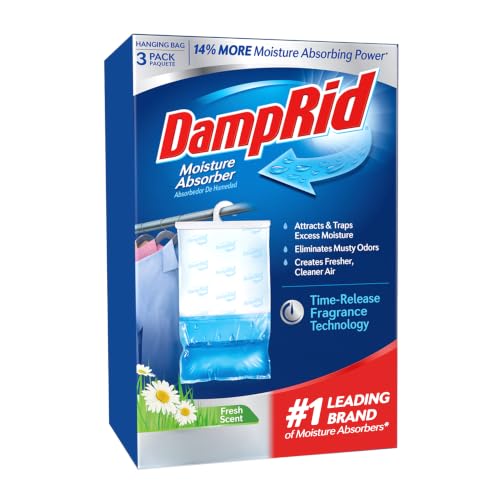
DampRid Fresh Scent Hanging Moisture Absorber 16 oz 3 Pack

DampRid Lavender Vanilla Hanging Moisture Absorber 16 oz 3 Pack

DampRid Fragrance Free Hanging Moisture Absorber 16 oz 3 Pack

CLEVAST Moisture Absorbers Packets 10 Pack Unscented

DampRid Pure Linen Hanging Moisture Absorber 16 oz 3 Count
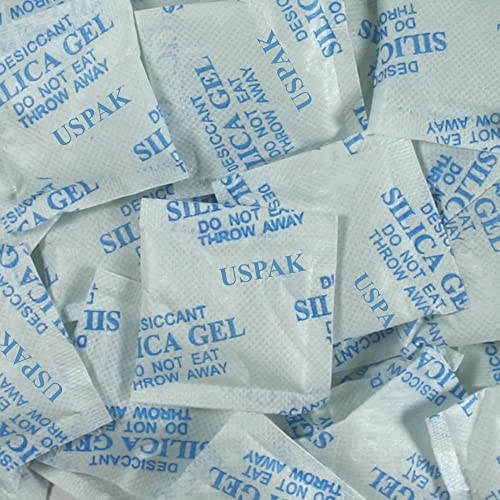
USPak Silica Gel Desiccant Packs 5 Gram 50 Packets

O2frepak 100 Gram 10 Packs Food Grade Moisture Absorber
More On The Choices That Made The List
Six bags in a single box means you can rotate hangers across multiple vehicles or keep a spare in the trunk for the next rainstorm. The Fresh Scent variant layers a light, clean fragrance into the moisture-absorbing action, which is welcome in older cars where the cabin still carries a faint mildew note after a wet winter.
For most commuters, the practical appeal is the multi-month supply. Set one on a back headrest, swap it for a fresh one when the crystals dissolve, and you rarely think about humidity again. The trade-off is that the scent can read as a touch sharp to sensitive noses, in which case a fragrance-free option later in this list makes more sense.
Strengths Worth Knowing
- Six bags stretch across seasons, reducing the urge to reorder monthly.
- Hanging design clips to a headrest without taking up floor space.
- Pulls dampness passively, so no power draw on a parked car.
- Visible liquid collection in the lower pouch confirms it is working.
Honest Caveats
- Fresh Scent may feel strong in a small two-door coupe.
- Once the bottom pouch fills, you do need to empty or replace it.
- Best results come from a closed vehicle, so cracked windows reduce effectiveness.
Who It Suits Best
Multi-vehicle households or anyone who wants one purchase to cover a full year of swapping.
Consider Something Else When
If you cannot tolerate added fragrance, the DampRid Fragrance Free 16 oz 3 Pack is a closer fit for your nose.
A three-pack at 16 ounces per bag hits the middle of the road for a single vehicle. Each hanger can sit in the back seat for weeks, gradually collecting water in its lower chamber and releasing a steady clean scent that masks stale cabin air without overwhelming the driver.
Compared with the six-pack above, this version trades some of the bulk-buy math for slightly larger individual bags. The result is a longer service life per hanger, useful for drivers who forget to check and swap their absorber. It still uses the same time-release scent concept, so the cabin smells clean rather than perfumed.
Positive Points
- Each bag runs longer than the smaller 15.4 oz size.
- Time-release scent spreads evenly across the cabin.
- Three hangers cover a car, a partner’s car, and a garage.
Points To Keep In Mind
- The fresh scent is noticeable in tight cabins, so test one bag first.
- Liquid collects at the bottom, meaning the bag should hang where a tilt won’t drip.
Key Specs
Made For
Daily drivers who want a low-effort, set-and-forget cabin freshener.
Look Elsewhere When
Passengers with scent sensitivity should reach for the DampRid Fragrance Free 16 oz 3 Pack instead.
Lavender vanilla sounds more spa than garage, and that is the appeal for drivers who treat the cabin as a small retreat. The same 16 oz hanging format as the Fresh Scent version above gets dressed in a warmer, sweeter fragrance profile that lingers gently through a closed cabin.
The honest read is that scent preference is highly personal, and this version leans sweet rather than crisp. For a newer car with leather or fabric seats you actually want to keep smelling neutral, the fragrance-free option down the list gives you less to second-guess. Otherwise, the moisture-absorbing mechanics behave the same as the rest of the DampRid line.
Real-World Strengths
- Soft, familiar scent that does not feel industrial in a family car.
- Same passive operation, no batteries or wiring.
- Three-pack covers an SUV, a sedan, and a work van if needed.
Trade-Offs To Consider
- Sweet scent may clash with strong coffee or pet odors in the cabin.
- Liquid reservoir needs the occasional empty, so placement matters.
Right Fit For
Long-haul commuters and road-trip families who want a cozy, less clinical cabin aroma.
Skip It When
Cargo vans and work trucks with constant ventilation needs suit the unscented CLEVAST Packets 10 Pack better.
No fragrance, no perfume notes, and nothing added to the air beyond drier air. This is the hanger of choice for drivers with allergies, headaches triggered by scents, or kids who notice the moment a new smell enters the back seat.
Mechanically it works the same as the scented DampRid bags earlier in the list, with the lower pouch collecting water as the crystals do their job. The cabin stays neutral, which also makes it easier to layer your preferred car freshener on top without two scents fighting each other.
Benefits That Matter
- Zero added scent, ideal for sensitive passengers and asthma-prone drivers.
- Three hangers let you cover driver, passenger, and cargo zones.
- Visual fill line in the lower pouch shows exactly when to swap.
Some Limits To Know
- Does not mask any pre-existing odors in the cabin, so a deep clean still helps.
- Liquid in the bottom pouch can shift on sharp turns, so a steady hook is wise.
At A Glance
Best Suited To
Drivers with scent sensitivities or anyone who just wants moisture control without perfume.
A Better Fit Elsewhere
For a subtle scent upgrade, the DampRid Pure Linen 16 oz 3 Count offers the same format with a light fabric-fresh note.
Unlike the DampRid hangers that use time-release scent, these packets lean on calcium chloride, a salt-based desiccant that actively pulls water vapor from the air and traps it as a liquid in a sealed pouch. A one-way moisture-permeable paper layer keeps the captured water safely inside the bag instead of letting it re-evaporate.
For a family SUV or a third-row seat full of kids, that means no leaking crystals and no scent competing with snacks. Owners commonly hang them from the rear garment hook or stash a couple behind the rear wheel well. The trade-off, depending on how the temperature swings, is that the crystals can occasionally form at the surface in cooler weather, though the moisture still gets absorbed.
What Pays Off
- Calcium chloride pulls moisture aggressively, useful in humid coastal regions.
- Sealed collection pouch prevents drips onto upholstery.
- Ten packets let you cover multiple zones across several vehicles.
- Unscented, so it does not compete with kids, pets, or food smells.
Practical Considerations
- Once a packet saturates, it is single-use and must be discarded.
- Surface crystals can appear in cold weather, though moisture capture continues.
Feature Snapshot
Perfect Match For
Family vehicles, rideshare drivers, and anyone storing a car outdoors in damp conditions.
Reach For A Different Pick When
Garage-kept classic cars benefit more from the gentler pull of USPak Silica Gel Desiccant Packs in enclosed toolboxes or trunks.
Pure Linen aims for a freshly laundered feel rather than a perfumed one, which makes it a comfortable middle ground between the bold Fresh Scent and the completely fragrance-free version. Drivers stepping out of a sedan in a suit will not smell anything overpowering, just a clean, fabric-soft note in the background.
Same hanging format, same 16 oz bags, same water-collecting lower pouch. The difference is purely olfactory. For cabin owners who want a low-key scent that disappears into the background, this is the version worth trying first.
Advantages To Know
- Subtle linen scent reads as fresh, not perfumed.
- Three-bag pack suits a single vehicle across an entire season.
- Works the same passive, no-power way as the rest of the DampRid line.
Details To Watch
- Still a scented product, so it is not ideal for severe scent allergies.
- Hanging placement should keep the lower pouch level to avoid splash on turns.
Who Should Grab It
Office commuters and parents who want the cabin to smell clean without a strong perfume.
Where A Sibling Pick Shines
Severe allergy sufferers will find the DampRid Fragrance Free 16 oz 3 Pack a safer daily match.
Fifty small silica gel packets at 5 grams each solve a different problem than the cabin hangers. They are sized for tight spaces where a 16 oz bag would be absurd: the glove box, the center console cubby, under a spare tire well, or inside a hard-shell case holding camera gear or documents.
Silica gel absorbs water vapor physically rather than chemically, which means the packets stay dry to the touch even at full saturation. Toss a few in a sealed container and they quietly protect whatever is inside, from electronics to seasonal clothes. They are not the right tool for a wide-open cabin, but for pinpointed moisture control they are excellent value.
Everyday Wins
- Fifty packets give you a long supply across many small zones.
- Small footprint fits drawers, cubbies, and toolboxes.
- Stays dry to the touch, no drippy mess like liquid-absorbing hangers.
- Useful beyond the car, in storage bins, safes, and shipping boxes.
Where It Is Less Suited
- Too small to noticeably drop humidity in a full open cabin.
- Best results require a sealed or semi-sealed container.
Quick Facts
Built With In Mind
Drivers who also store cameras, documents, or seasonal gear inside the vehicle.
Swap It Out When
You need whole-cabin humidity control rather than targeted pocket protection, the DampRid 16 oz hangers handle that better.
Food-grade silica gel in a 100-gram pack is bigger than a typical glove-box sachet and is meant to live inside sealed environments. In a car context, think long-term storage of a project car, a motorcycle in a soft bag, or a toolbox kept inside the trunk. The cobalt-chloride-free formula is a notable plus if you ever store anything edible alongside it.
Silica gel works by physically trapping water vapor into its porous structure, then holding it without becoming damp on the outside. That makes these packs excellent for drawers, sealed ammo cans, or anything airtight. Open a cabin, though, and the air volume is simply too large for ten 100-gram packs to make a meaningful dent.
Where It Excels
- Food-grade certification makes it safe around dry goods and gear.
- Larger 100-gram size pulls more vapor per packet than 5-gram sachets.
- Cobalt-chloride-free formula avoids indicator dye concerns.
- Ten packs stretch across multiple sealed containers in the garage.
Factors To Consider
- Not designed for open-cabin humidity, best in a sealed box or container.
- Once saturated, regeneration requires oven drying, not just air drying.
Technical Highlights
Whose Shelf It Belongs On
Garage tinkerers and owners of project cars who want to protect gear inside sealed boxes and tool drawers.
Not Your Match When
Daily drivers chasing a fresher cabin will get more visible results from the DampRid Fresh Scent 16 oz 3 Pack.
Picking The Right Moisture Absorber For Your Vehicle
Decide Where The Moisture Needs To Go First
Start with the cabin versus the trunk, because the two zones have different physics. The cabin is a moderately sealed space where a hanging 16 oz bag, or two, can noticeably drop humidity across a few weeks. The trunk, by contrast, is a tighter, darker space that often houses a spare tire, a cargo net, or stored items, and benefits more from a calcium chloride packet or a sealed silica gel container. A good rule of thumb is to match the absorber type to the zone, not to a brand.
Match The Format To The Mounting Location
Hanging bags are practical for vehicles with a garment hook or a headrest bar, but they are awkward in a sports car with no headrest posts and no easy hook. For those cases, packets or small desiccant pouches are easier to place behind a seat, in a center console, or under a floor mat. Calcium chloride packets, like the CLEVAST option above, need to hang or sit upright since they collect liquid, while silica gel can lie flat in any orientation.
Scent And Sensitivity Trade-Offs
Scented hangers do double duty by masking stale moisture smells, but in a small cabin the fragrance can feel strong. Drivers with allergies, frequent passengers, or carpooling kids often prefer fragrance-free bags or pure silica gel. A reasonable approach is to start with one unscented bag, evaluate after a week, then add a lightly scented variant if the cabin still smells off.
Capacity And Replacement Cadence
A larger 16 oz bag typically runs several weeks in a moderate climate, while a 15.4 oz bag may need replacing a little sooner. In coastal or humid regions, expect a faster fill cycle regardless of size. Stocking a 3-pack or 6-pack usually works out to better value and means you always have a fresh bag ready when the current one saturates.
Key Considerations Across These Picks
Pitfalls Shoppers Hit
A common misstep is treating a moisture absorber like an air freshener, expecting it to mask a deep mildew smell. These products reduce humidity, which prevents future mildew, but a musty cabin still needs a thorough interior clean first. Another trap is leaving windows cracked on a parked car, which lets humid outdoor air cycle in and dilutes the absorber’s effect. Finally, tossing a saturated bag back under the seat creates a small puddle problem, so keep the lower pouch upright or replace on time.
When Paying More Pays Off
The jump from a 5-gram silica packet to a 100-gram food-grade pack is mostly about scale, not quality. Larger packets last longer in sealed storage, which matters for project cars, garage queens, or anything you only drive seasonally. The higher-tier DampRid bags in the 16 oz size also buy you longer runtime per swap, useful in humid climates where a smaller bag would need weekly replacement. The honest upgrade calculus is simple: if you forget to check your cabin for a month, the bigger bag pays for itself in convenience and reduced waste.
Frequently Asked Questions
Do moisture absorbers actually work in cars?
Yes, they lower humidity inside a closed cabin, which reduces window fogging and helps prevent mildew on fabric seats and floor mats. They work best when the vehicle stays closed, since open windows let humid outdoor air cycle back in.
How long does a hanging moisture absorber last in a car?
A 16 oz hanging bag typically runs several weeks in a moderate climate. In humid coastal regions, expect closer to two or three weeks before the lower pouch fills and a swap is needed.
Is it safe to leave a moisture absorber in a parked car?
The hanging bags and sealed packets on this list are designed for unattended indoor use and are commonly left in parked vehicles. Place the bag where it will not tip and avoid direct sunlight on the lower pouch, which can speed evaporation back into the cabin.
Can I use a closet moisture absorber in my car?
Closet bags and car bags use the same passive desiccant principle, so the format is interchangeable. A bag that works in a closet will also work in a car, with the main consideration being placement so the lower pouch stays level.
What is better for a car, silica gel or calcium chloride?
Silica gel is best in sealed, small spaces like glove boxes and tool drawers. Calcium chloride pulls moisture more aggressively and is the stronger choice for whole-cabin humidity, especially in humid regions.
Closing Remarks
The right moisture absorber for your car comes down to where the problem lives and how hands-on you want to be. Hanging bags in the 16 oz range handle the everyday cabin, sealed packets tackle trunks and toolboxes, and silica gel pouches protect the small enclosed spaces where humidity quietly does its worst damage. Match the format to the zone, stock enough to rotate, and a damp windshield stops being a morning ritual.