


A soggy fridge is a quiet kind of misery. Lettuce wilts a day too soon, leftover containers bead up with condensation, and that bag of rice you forgot in the back quietly turns into a science experiment. The right moisture absorber pulls dampness out of the air before it wrecks your groceries, and a few thoughtful picks also handle lingering smells. Below are seven solid options, each one solving a slightly different version of the same problem, so you can match the tool to the way your kitchen actually runs.
A Side-By-Side Look

Fonday Premium Moisture Indicating Silica Gel Desiccant Beads
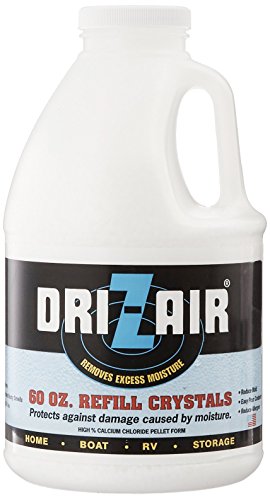
Dri Z Air DZA-60 60-Ounce Refill Crystals

Absorbking Silica Gel Packets 20g (80 Packs)

Wallaby 2g Silica Gel Packs (100 Packets)

ADSorbco 6g Bentonite Clay Desiccant Packs (50)

Purriko Refrigerator Deodorizer

Purriko Cute Fridge Deodorizer
A Deeper Look At The Lineup
Loose-bead desiccants like this Fonday pack appeal to tinkerers who already own, or plan to buy, a refillable absorber canister. The beads arrive in a generous two-pound pouch, so a single bag can top up several home units, and the cobalt-chloride-free formula matters to anyone keeping the canister near food. Indicator beads shift color as they soak up water, which removes the guesswork from knowing when a recharge is due.
Where this differs from the pre-packeted options later in the list is flexibility. You can pour the beads into a breathable sachet, refill a desktop canister, or use them in a workshop air-dryer setup. The 3 to 5 millimeter bead size stays put in most canister screens without sifting through the bottom.
Everyday Advantages
- Color-changing indicators cut the “is it still working?” guesswork in half.
- Two-pound bulk is enough to refresh a canister many times over.
- Versatile for refillable canisters, DIY sachets, and air dryer setups.
- Compatible with most standard home desiccant canisters on the market.
Things To Consider
- Loose beads spill easily during pouring, so a steady hand and a funnel help.
- You need a separate canister to actually use them in a fridge.
Who It Suits Best
Anyone who already runs a refillable canister and wants a high-volume indicator bead refill without the cobalt chloride concern.
Look Elsewhere When
The Purriko Refrigerator Deodorizer is a friendlier all-in-one option if you do not want to manage loose beads at all.
The DZA-60 refill is built for people who need serious moisture pull, not a polite nudge. A 60-ounce crystal bag refills roughly five Dri-Z-Air units, and the chemistry is straightforward: crystals turn from solid to liquid as they absorb water, so you see the moisture leaving the air rather than just trusting a label. That visible change is genuinely useful in damp basements, boats, and RVs where humidity spikes hard.
Inside a standard kitchen fridge, this kind of capacity is overkill. Use it where airflow is large and humidity is the headline problem, like a storage trailer between trips or a workshop where condensation beads on the windows.
Notable Gains
- 60-ounce bag handles the largest enclosed spaces without babysitting.
- Visible state change from solid to liquid removes any saturation guesswork.
- Refill format keeps long-term ownership cost low for recurring moisture issues.
Points To Note
- Liquid output means the canister needs a stable spot where tipping is unlikely.
- Way more capacity than a typical fridge demands, so it shines in larger spaces.
- Dissolved crystals require proper disposal, which adds a small chore to the routine.
Right Fit For
Owners of RVs, campers, and boats who already use Dri-Z-Air hardware and need a steady supply of refill crystals.
Skip It When
Fonday Premium Moisture Indicating Silica Gel Desiccant Beads are a tidier fit for someone working strictly with a kitchen fridge canister.
Eighty pre-sealed 20-gram sachets give you the most reach in this list without any canister investment. Each pouch is food-safe, so you can drop one into a flour bin, a rice container, or a 3D filament storage box without second-guessing. The transparent silica beads are also cobalt-chloride-free, which is reassuring when the packets sit beside open food.
For someone rebuilding a whole pantry at once, this format spreads coverage across many small containers instead of one big zone. The packs absorb roughly 40 percent of their weight in water vapor, and they recharge in a low oven, so they keep working through repeated seasons.
Useful Highlights
- Eighty sachets cover an entire pantry in a single order.
- Rechargeable in a low oven, which keeps long-term cost in check.
- Food-safe white beads sit comfortably beside dry goods without worry.
- Works beyond the kitchen, including 3D filament boxes and electronics safes.
Honest Caveats
- Larger 20-gram packs need bigger sealed containers to actually perform.
- Recharging many sachets at once takes oven space and patience.
Best Suited To
Home organizers overhauling a full pantry of dry goods, plus hobbyists who stash filament, cameras, or silver in sealed bins.
Consider Something Else When
Wallaby 2g Silica Gel Packs (100 Packets) are easier to drop into spice jars and tiny boxes.
Wallaby ships a hundred small 2-gram packets, which is the right scale for the spots a 20-gram pouch would overwhelm. Each tiny pack covers roughly 240 cubic inches of sealed space, so a single sachet handles a spice jar, a vitamin bottle, or a small document safe without crowding the contents. The pure white beads are coated, meaning fewer dust concerns if a packet ever tears open.
Compared with the larger Absorbking sachets, these are the ones you reach for in drawers, camera bags, and shoeboxes where a bulky pouch simply will not fit. The packs are also rechargeable, so the hundred-count box stretches across many months of use.
What It Does Well
- Small footprint fits spice jars, vitamin bottles, and electronics cases.
- Coated beads reduce dust worry if a packet ever ruptures.
- Rechargeable, so the hundred-pack box pays back over many cycles.
Things To Weigh
- So many packets invites a labeling habit to track which ones are fresh.
- Coverage per packet is small, so larger bins need several working together.
Who Should Grab It
Organizers, photographers, and anyone protecting small valuables in tight sealed containers across the home.
Reach For A Different Pick When
The Absorbking 20-gram sachets handle big bins and full pantry setups more efficiently than these tiny packs.
ADSorbco skips silica gel entirely and uses bentonite clay instead, which is a naturally mined material that pulls moisture the same basic way. The 6-gram size lands in a sweet spot for pet food bins, tea canisters, and grain storage where you want coverage without overpacking. Each pack is food-grade, so dropping one into a bag of dry kibble does not raise eyebrows.
For shoppers who want to avoid synthetic desiccants on principle, this is the cleanest swap on the list. The fifty-pack quantity covers a household of bins without the bulk-buy commitment of the larger silica options above.
Practical Pluses
- Clay-based, food-grade material is reassuring near pet food and spices.
- 6-gram size fits comfortably in most pantry and pet food bins.
- Made in the USA, which simplifies sourcing for cautious shoppers.
Factors To Consider
- Clay packs tend to crumble at end of life, so plan for replacement rather than recharging.
- Absorption ceiling is lower than a comparable silica gel packet of the same weight.
Made For
Pet owners and bulk-grain shoppers who prefer a natural, food-grade material over a synthetic option.
A Better Fit Elsewhere
Absorbking 20-gram silica sachets are a stronger pick if you want rechargeable packs that last multiple cycles.
Purriko takes a different angle from the loose desiccants above. The puck uses CH-CUT catalytic decomposition, a chemistry that breaks odor molecules down into water rather than simply masking them. You drop it on a shelf, leave it alone, and the fridge smells fresher without any recharging or canister rotation. The long-life design means you are not buying refills every few months.
The honest trade-off is that this is an odor fighter, not a heavy moisture extractor. For a family fridge that smells fine but builds light condensation, it earns its shelf space. For a damp basement fridge or a cooler that floods with humidity, you still want a desiccant working alongside it.
A Few Highlights
- Catalytic decomposition tackles odors at the source instead of masking them.
- No batteries, recharging, or moving parts to manage.
- Long-life design cuts down on replacement cycles and waste.
Where It May Fall Short
- Primarily an odor solution, so heavy humidity still wants a separate desiccant.
- Performance near the end of its lifespan is hard to gauge without visible indicators.
Who Will Love This
Busy households that want a set-and-forget way to keep family fridge odors under control without touching the unit for months.
Where Another Pick Suits Better
For serious humidity control, the ADSorbco 6g Bentonite Clay Packs in a sealed bin do the heavy moisture lifting this deodorizer skips.
This second Purriko option shares the same CH-CUT catalytic decomposition technology as the larger deodorizer above, just in a smaller, friendlier shell. The egg-shaped housing is small enough to sit in a dorm mini-fridge, an RV bar fridge, or a packed office fridge without eating usable shelf space. Like its sibling, it works continuously without batteries or recharging, and there is nothing to swap out on a schedule.
The cute form factor is the headline difference. It is the deodorizer for someone who wants odor control to disappear into the room rather than announce itself.
The Value In It
- Compact housing fits mini-fridges and tight dorm setups.
- Same catalytic decomposition chemistry as the larger Purriko model.
- No recharging or replacement schedule to keep track of.
- Approachable design for shared kitchens and family fridges.
Soft Spots
- Smaller housing may saturate faster in a full-size family fridge.
- Like any catalytic deodorizer, it is not a substitute for serious moisture control.
Perfect Match For
Students, renters, and small-space households who want a low-profile deodorizer that just lives on a shelf.
Swap It Out When
The full-size Purriko Refrigerator Deodorizer handles bigger family fridges with more headroom for continuous odor work.
How To Pick The Right Moisture Absorber For Your Fridge
The first decision is whether you want to fight moisture, odors, or both. Loose silica gel beads and sachet packs target humidity, while catalytic deodorizers like the two Purriko options target smell molecules. Many kitchens benefit from a layered approach: a desiccant canister working alongside an odor puck. Match the format to the container you already use, and you skip the frustration of buying the wrong shape for your shelves.
Consider the storage container itself. Packets belong in sealed bins, jars, and boxes where airflow is limited. A canister-style absorber makes more sense inside an open fridge where it can pull moisture from circulating air. Pre-portioned sachets are best for organized pantries with many small containers, while bulk bead refills favor a single refillable canister.
Rechargeable packs save money over time but require oven space and routine. Disposable clay or single-use sachets are lower maintenance but create more waste. For a household already running hot on chores, simpler is usually better.
Common Slip Ups And Worth-It Upgrades
Pitfalls Shoppers Hit
Buying food-grade desiccants matters more than most people realize, especially when packets sit next to dry grains or open snacks. Skipping that detail can introduce unwanted chemicals into the very food you are trying to protect. A second common mistake is assuming one small packet can save a wide-open fridge: a single 2-gram sachet in an unsealed fridge barely makes a dent in the humidity of a 20-cubic-foot box. Match the packet count to the sealed volume you actually have.
Where The Extra Money Goes
Higher-tier options earn their keep through rechargeability, food-safe materials, and built-in saturation indicators that remove the guesswork. A bulk bead refill costs more up front than a single canister but stretches across many recharges, lowering the per-use cost. Catalytic deodorizers command a premium over baking soda boxes because the chemistry keeps working for far longer without swaps, which is the real value most people miss.