


A small bathroom fogs up fast, and that lingering dampness feeds mildew, rust on metal hardware, and that sour towel smell most people learn to live with. Mini-dehumidifiers pull that moisture out of the air before it settles into grout, paint, and wood trim, working in spaces where a full-size unit would be overkill. The right pick depends on how much steam your household produces, how often you want to remember to empty a tank, and whether quiet operation matters during late-night showers.
The Picks In Brief

PSOS 98 OZ Dehumidifier for Home 1000 sq.ft (Gray)

QFOX 2000 Sq.Ft Rotary Dehumidifier 2.5L Tank
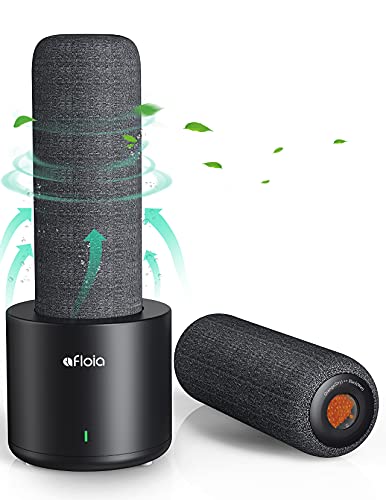
Afloia Gun Safe Dehumidifier Rechargeable Cordless TOPZ 2+1
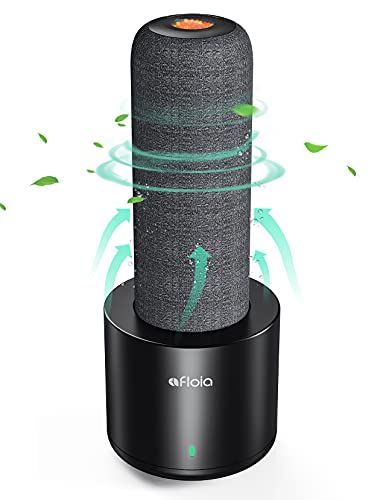
Afloia Mini Dehumidifier Rechargeable with Heating Base TOPZ 1+1

Afloia Rechargeable Cordless Gun Safe Dehumidifier TOPZ 4+1

VinburgAir 98 OZ Dehumidifier with Drain Hose (Light Black)

DuraComfort Dehumidifier for Basement up to 2,500 Sq Ft

NineSky 1000 Sq.Ft Dehumidifier with 95oz Water Tank (Grey)
Why These Options Stand Out
The PSOS 98 OZ unit is a thermoelectric dehumidifier, a design that uses a Peltier cooling module rather than a compressor to condense water from the air. That difference keeps the body compact, light, and silent enough to leave on a bathroom counter without a distracting hum. A built-in humidity readout sits on the front panel, so you can see real numbers instead of guessing whether the air feels damp.
For most homes, the 98-ounce tank means roughly two to three days between empties in a moderately steamy bathroom. The seven-color ambient light is a soft touch, useful as a nightlight for kids brushing teeth before bed. Compared with the smaller NineSky pick later in the list, this one carries a slightly larger reservoir and a visible humidity display, which helps anyone who wants actual data rather than guesswork.
Useful Highlights
- 98 oz reservoir stretches to a few days between empty cycles in typical bathroom use.
- Visible humidity display removes the guesswork from “is it working.”
- Thermoelectric design runs quietly, so it does not intrude on conversations or sleep.
- Ambient lighting doubles as a soft nightlight without adding bulk.
- Auto shutoff stops the unit when the tank is full, preventing overflow on tile floors.
Points To Note
- Tank must be emptied by hand since there is no drain hose, and owners in very humid climates report daily trips to the sink.
- Peltier units cool the air less aggressively than compressor models, so expect slower results in large, unventilated rooms.
Quick Facts
Who It Suits Best
Households that want one quiet unit to rotate between a bathroom and a bedroom without rewiring or draining plumbing.
Consider Something Else When
Anyone managing a 2000+ sq ft basement should reach for the QFOX 2000 Sq.Ft Rotary Dehumidifier instead, since thermoelectric units struggle in that much open space.
Desiccant rotary technology, a method that uses a rotating wheel of moisture-absorbing material rather than cold coils, sets the QFOX apart from the Peltier-style picks earlier on this list. That design works in cooler rooms where compressor units stall, and it pulls moisture from the air without dropping the temperature noticeably. The 2.5-liter tank can be left alone for long stretches, and the included drain hose means you can route water to a sink or bucket and skip manual emptying entirely.
Rated for spaces up to 2000 square feet, this is a genuine workhorse rather than a countertop helper. In a small bathroom it may feel oversized, but it shines in a finished basement or a large bedroom with an attached en suite. The seven-color ambient light and sleep mode are gentle touches, and the rotary core keeps noise lower than a traditional compressor at similar extraction rates.
Features That Help
- Desiccant rotary core performs in cool basements where Peltier units lose effectiveness.
- Drain hose hookup allows unattended continuous operation in laundry rooms or below-grade spaces.
- 2000 sq ft coverage handles open-plan basements that smaller units cannot touch.
- Sleep mode tones down the fan so overnight runs stay unobtrusive.
Honest Caveats
- Heavier and bulkier than the PSOS or NineSky models, so it claims more floor space than a true mini.
- Desiccant wheels generate some heat during operation, which may feel noticeable in a tight, unventilated bathroom.
- Energy draw tends to run higher than thermoelectric picks, a worthwhile trade-off only when extraction matters more than efficiency.
Feature Card
Made For
Homeowners dealing with damp below-grade rooms, cool basements, or RV interiors where smaller thermoelectric picks run out of muscle.
A Better Fit Elsewhere
A renter who just needs a quiet bedroom helper should pass on this and grab the VinburgAir 98 OZ Dehumidifier, which is lighter, quieter, and built for smaller footprints.
The Afloia TOPZ 2+1 takes a different path entirely, using silica gel beads inside a cordless cylinder to absorb moisture without any fan, noise, or electricity at runtime. The “2+1” bundle means two absorbent sticks and a heating base, so you can rotate sticks while one recharges. Drop a stick into a bathroom cabinet, a small closet, or a gun safe, and it quietly pulls dampness from a sealed space without producing a drop of liquid water.
Since there is no compressor or Peltier module, this is the only pick on the list that runs completely silent. The trade-off is capacity: silica gel works best in small, enclosed volumes, so a 60-square-foot open bathroom will not see dramatic results. Owners commonly report placing one stick near a toiletries cabinet and another inside a linen closet for steady, silent protection.
Good Reasons To Consider
- Cordless design means no outlet hunting in a tiled bathroom with limited plugs.
- Silent operation, ideal for safes, medicine cabinets, and sleeping areas.
- Heating base recharges the silica gel, so there are no replacement filters to buy.
- Compact cylinder fits into corners and drawers that bulky electric units cannot reach.
Things To Consider
- Silica gel works best in enclosed spaces; open bathrooms will see limited results.
- Regeneration on the heating base takes roughly two hours, so the spare stick earns its keep during recharge cycles.
Right Fit For
Anyone storing firearms, camera gear, or documents in a small enclosed space where silent, electric-free moisture control beats raw extraction power.
Look Elsewhere When
A household with a large, steamy family bathroom should skip this and choose the PSOS 98 OZ Dehumidifier, which has the tank capacity to handle a busy shared space.
The Afloia TOPZ 1+1 is the single-stick sibling of the larger 2+1 bundle, designed for shoppers who want one rechargeable silica gel stick and a heating base rather than a multi-pack. The cylinder uses a 360-degree circular air inlet so it absorbs moisture from every direction, and a small viewing window shows when the beads have turned from orange to dark green, signaling that it is time to recharge.
For a small bathroom cabinet, a guest-room closet, or an RV storage bay, this is the lightest pick on the entire list. The compact size and lack of cords also make it easy to toss into a suitcase for hotel stays where the bathroom never quite dries out. It is the gentlest moisture fighter in this roundup, and that is exactly the point.
Standout Benefits
- Single-stick kit is the most affordable Afloia bundle and a clean entry point for first-time users.
- Color-changing silica beads make regeneration timing obvious without a separate indicator.
- Cordless form factor is genuinely travel-friendly for hotel rooms and short-term rentals.
- 360-degree intake means orientation does not affect performance inside a tight cabinet.
Practical Considerations
- Only one stick is in service while the other regenerates, so larger bathrooms need the 2+1 or 4+1 bundle instead.
- No electric extraction means results show up slowly, a fair trade for the silent operation but worth knowing upfront.
Who Will Love This
Travelers, apartment dwellers, and anyone testing the waters with silica gel technology before committing to a multi-stick setup.
Reach For A Different Pick When
Owners who need to protect multiple safes or cabinets at once should grab the Afloia Rechargeable Cordless Gun Safe Dehumidifier TOPZ 4+1 for broader coverage.
The Afloia TOPZ 4+1 expands the silica gel format into a four-stick bundle with a single heating base, giving a household enough capacity to spread moisture control across multiple zones. The non-toxic silica beads are housed in a clear-top cylinder, so you can glance at the color change and know when to rotate a stick onto the heating base. That window is a small but genuinely useful upgrade over sealed designs.
This is the right pick for gun owners with several safes, photographers with multiple gear bags, or anyone running a small storage business where silent, distributed dehumidification matters more than raw extraction. Compared to the 2+1 sibling earlier, you get more active coverage without buying extra heating bases, which is the main cost driver in the Afloia lineup.
Positive Points
- Four active sticks cover several cabinets or safes without buying extra bases.
- Non-toxic silica beads keep air safe around kids, pets, and food-adjacent storage.
- Clear top window turns regeneration into a quick visual check.
- Heating base regenerates one stick at a time, so the rest keep working during cycles.
Worth Bearing In Mind
- Bundled sticks regenerate one at a time, which slows turnover in extremely damp rooms.
- Higher upfront cost than the 1+1 and 2+1 kits, so it pays off only when you genuinely use the extra sticks.
Specs At A Glance
Perfect Match For
Multi-safe households, hobby collectors, and small studios that need distributed, silent moisture control without buying multiple heating bases.
Swap It Out When
Someone with a single small bathroom and no storage cabinets will overpay for unused capacity and should consider the Afloia TOPZ 1+1 instead.
The VinburgAir CT6 in light black is built around one promise: stay under 30 decibels in sleep mode while still pulling meaningful moisture from a small room. The hidden aroma slot behind a small panel accepts essential oil pads, so the unit doubles as a faint scent diffuser, a thoughtful touch for anyone who wants the bathroom to smell as fresh as it feels. A 98-ounce tank pairs with an included drain hose, giving you a choice between manual emptying and continuous drainage into a nearby sink.
Three timer modes let you schedule the unit for a 4-hour, 8-hour, or 12-hour cycle, which is genuinely useful in a guest bathroom you do not want running all night. The washable aroma pad is reusable rather than disposable, a small long-term cost saver. Owners of nurseries and shift workers tend to gravitate toward this specific unit for the sub-30 dB claim.
A Strong Showing
- Sub-30 dB sleep mode keeps operation nearly inaudible during overnight runs.
- Built-in aroma slot adds a scent feature without forcing a separate diffuser on the counter.
- Three timer modes match common bathroom usage patterns without manual shutoff.
- Drain hose option offers flexibility between manual and continuous drainage.
- Reusable aroma pad reduces ongoing replacement costs.
Possible Compromises
- The aroma pad requires routine washing, and residue can build up if neglected for weeks.
- Drain hose routing can be awkward in bathrooms where the sink is on the opposite wall from the unit.
Technical Sheet
Built With In Mind
Light sleepers, nursery households, and shift workers who need whisper-quiet moisture control with a touch of scenting built in.
Where A Sibling Pick Shines
Anyone who wants a visible humidity readout should look at the PSOS 98 OZ Dehumidifier, which displays a real number rather than relying on a sleep mode toggle.
The DuraComfort basement unit is the largest dehumidifier in this roundup, rated for spaces up to 2,500 square feet and built around a smart humidistat that automatically cycles the compressor on and off to maintain your target humidity. A built-in timer and a continuous-drain hose add scheduling flexibility that smaller units cannot match, and the entire chassis is tuned for set-and-forget basement duty rather than countertop placement.
Compared with the QFOX rotary unit earlier, this one uses a more traditional compressor and works harder in warm, sticky rooms. In a finished basement or a large primary suite with an attached bathroom, it pulls moisture at a rate the mini picks simply cannot touch. The trade-off is physical size and noise: this is a floor unit, not a countertop helper.
What Earns Its Place
- 2500 sq ft coverage reaches well past the rest of the list for whole-basement protection.
- Smart humidistat cycles the compressor automatically to hold a chosen humidity level.
- Continuous drain hose supports unattended operation in laundry rooms and below-grade spaces.
- Built-in timer helps match run cycles to off-peak utility hours.
Trade-Offs To Consider
- Floor-standing size rules out countertop use in a tight half bath.
- Compressor noise is louder than the Peltier and silica gel picks earlier in the article.
- Power draw runs higher than smaller units, a worthwhile trade only when extraction volume matters.
Whose Shelf It Belongs On
Homeowners with finished basements, large primary suites, or open-plan living areas where a single mini unit would always be playing catch-up.
Not Your Match When
Anyone furnishing a small powder room should reach for the PSOS 98 OZ Dehumidifier, which fits on a counter and runs quieter than this basement workhorse.
The NineSky 1000 closes out the roundup as a sensible, no-fuss Peltier unit aimed squarely at the practical shopper. A 95-ounce tank is slightly smaller than the PSOS reservoir but still holds enough water for a couple of days in a typical bathroom. The seven-color ambient light gives it the same nighttime personality as pricier competitors, and the auto shutoff triggers reliably when the tank reaches capacity.
For a rental unit, a guest bathroom, or a first apartment where you want real moisture control without a big investment, this is the most approachable pick in the list. You give up the humidity display that the PSOS offers, but you also skip the higher cost that comes with it. In most bathrooms the trade feels reasonable, especially if you mostly care about a quieter fan and a tank you do not have to empty every morning.
The Value In It
- 95 oz tank keeps the unit running for multiple days between manual empties.
- Compact grey chassis blends into most bathroom color schemes without standing out.
- Seven-color ambient light offers the same nightlight function as more expensive picks.
- Auto shutoff protects floors from overflow if you forget to check the tank.
Where It Is Less Suited
- No visible humidity readout, so you have to judge results by feel rather than numbers.
- Coverage ratings assume a closed room, and very open layouts may see slower extraction.
Quick Technical Notes
Best Suited To
Renters, first-time apartment dwellers, and anyone furnishing a guest bathroom who wants real moisture control without a premium price tag.
Where Another Pick Suits Better
Households that want a digital humidity readout should look at the PSOS 98 OZ Dehumidifier, which puts a real number on the front panel for slightly more money.
Choosing a Mini-Dehumidifier That Actually Fits Your Bathroom
Small bathrooms punish dehumidifiers that promise more than they can deliver, so a quick read of the technical basics helps avoid buyer’s remorse. Two main technologies show up in the picks above: Peltier, also called thermoelectric, units use a small cooling module and run quiet but extract slowly. Desiccant rotary models use a moisture-absorbing wheel, work in cool rooms, and pull water faster in tight spaces. Compressor units handle the largest rooms but are louder and bulkier than a true mini.
A 30 to 100 ounce tank covers most one-bathroom households for a few days between empty cycles. For a busy family bath, anything below 50 ounces tends to feel constant. Drain hose support, present on the QFOX, VinburgAir, and DuraComfort picks, removes the manual step entirely and is worth prioritizing in a basement or laundry room.
Silica gel sticks like the Afloia lineup work differently. They absorb moisture into beads and need a heating base to release that moisture and recharge, so they suit enclosed cabinets, safes, and small closets far better than a steamy open bathroom. They are silent and cordless, but capacity is limited compared to a powered unit.
Noise is the easiest spec to underestimate. A 40 dB unit in a quiet bedroom is noticeably intrusive, and the 30 dB threshold matters more than the marketing copy suggests. Night-shift workers and light sleepers should anchor their choice around a sub-30 dB rating or a true silent option. Coverage claims also assume closed doors and decent ventilation, so an open floor plan effectively halves the real-world reach of any rating.
Mistakes Worth Dodging and Where the Extra Money Goes
Pitfalls Shoppers Hit
Choosing by tank size alone ignores how often a bathroom is actually used, and overpaying for capacity you never fill is a common slip. The opposite trap is buying the smallest unit to save money, then discovering it cannot keep up with two showers a day. Match the tank and coverage to your real usage rather than the highest number on the spec sheet.
Another frequent miss is ignoring ventilation. A mini-dehumidifier in a sealed bathroom works harder than the same unit in a room with an exhaust fan, and airflow matters more than the brand on the box. Leaving a door open after a shower also changes the math considerably, so the realistic space is often larger than the rated space.
Where the Extra Money Goes
Higher-tier picks like the DuraComfort and the QFOX charge more for genuinely better extraction rates, smarter humidistats, and continuous-drain plumbing. In a finished basement or a primary suite with an attached bath, that premium pays for itself by avoiding constant tank emptying and inconsistent humidity. In a small half bath, the same money rarely earns its keep, and a value pick like the NineSky 1000 covers the job well.
Aroma features, humidity displays, and nightlight colors add polish rather than performance. They are worth the small premium only if those features match how you actually use the bathroom, otherwise they are decoration on an already capable machine.
Frequently Asked Questions
How loud is a typical mini-dehumidifier in a small bathroom?
Peltier and silica gel units run nearly silent, often below 30 dB, while small compressor models usually land in the 38 to 45 dB range. Sleep mode settings on the VinburgAir unit drop fan speed to keep operation under 30 dB for night use.
Can a mini-dehumidifier actually prevent bathroom mold?
A properly sized mini pulls enough moisture to slow mold growth on grout, caulk, and paint, especially when paired with an exhaust fan. Persistent black mold usually signals a ventilation problem the dehumidifier alone cannot solve, so address airflow first.
How often does the water tank need emptying?
A 95 to 100 ounce tank in a typical residential bathroom lasts two to four days between empty cycles. Drain hose support on the QFOX, VinburgAir, and DuraComfort units lets you skip manual emptying by routing water into a sink or floor drain.
Do silica gel sticks work in an open bathroom?
Silica gel works best in enclosed cabinets, safes, and small closets where moisture stays trapped. In an open, steamy bathroom, the Afloia sticks help protect nearby storage but will not noticeably dry the air the way a powered unit does.
Is a bathroom-specific unit different from a regular bedroom mini?
Most mini-dehumidifiers in this category cross over freely between bathrooms, bedrooms, and small living areas. The main bathroom-specific concern is splash distance, so place any electric unit where direct shower spray cannot reach the intake or controls.
Final Verdict
The PSOS 98 OZ Dehumidifier is the most balanced pick for a typical household bathroom, with the VinburgAir 98 OZ close behind for anyone who values quiet operation. Larger homes with basement or open-plan moisture should step up to the DuraComfort, while safes, cabinets, and travel use favor the Afloia silica gel lineup. Match the technology to the room, and a small machine will quietly do more for mildew and musty air than most people expect.