


You walk into the basement and the air feels heavy, or you open a closet and catch that telltale musty edge. The right dehumidifier takes that weight off the room without turning into another appliance you resent. This lineup focuses on machines that earn their space, whether you’re drying out a 7,000-square-foot shop or quieting a small bedroom.
A Quick View Of The Lineup

Waykar 145 Pint Dehumidifier with Pump 6,500 Sq. Ft

PSOS 98 OZ Quiet Dehumidifier with Ambient Light

FreAire 34 Pint Dehumidifier for 2,500 Sq. Ft
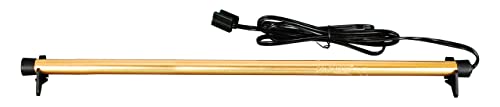
Lockdown Golden Rod Dehumidifier 24-Inch

FreAire 54 Pint Quiet Dehumidifier 4,500 Sq. Ft

Waykar 34 Pint 2025 Energy Star Dehumidifier 2,000 Sq. Ft

Waykar 150 Pint 2025 Energy Star Dehumidifier with Pump
What Each Pick Brings To The Table
Big basements and small commercial spaces share a problem: standing water in the tank, endless trips to empty it, and a unit that can’t quite keep up on the worst summer days. The Waykar 145 pint model tackles that with a built-in condensate pump, which pushes water upward and out through a hose so you can route it to a floor drain, sink, or even a window.
Coverage stretches to roughly 6,500 square feet, and the adjustable humidity range sits between 30 and 80 percent. For homeowners wrestling with a damp crawl space or a workshop that smells like wet cardboard, the pump alone removes a daily chore most compressors force on you.
The Practical Payoff
- Built-in pump removes the need to manually empty the tank in most setups
- High 145-pint daily extraction handles severe moisture loads
- Wide humidity range gives you fine control over comfort levels
- Large coverage area suits multi-room basements and open layouts
- Drain hose included for direct, continuous water removal
Points To Keep In Mind
- Larger footprint, so it needs a dedicated corner with airflow around it
- Higher energy draw than smaller residential models
- Noise is noticeable in a quiet living area, so basement placement is wise
Who It Suits Best
Homeowners with large, persistently damp basements or anyone running a workshop or storage space that needs aggressive moisture control.
Where Another Pick Suits Better
For smaller finished basements where pump capacity is overkill, the FreAire 34 Pint Dehumidifier for 2,500 Sq. Ft keeps the room dry without the industrial footprint.
Not every moisture problem needs a 50-pound machine humming in the corner. The PSOS 98-ounce unit uses dual semiconductor condensation, a thermoelectric approach that runs quieter than a traditional compressor and slips neatly onto a nightstand or bathroom shelf. Coverage is modest at around 1,000 square feet, which is plenty for a bedroom, nursery, or home office.
Where the Waykar above feels like industrial equipment, this one leans into livability. A built-in humidity display, auto shutoff when the tank fills, and a soft seven-color ambient light make it feel more like a living-room accessory than an appliance.
Why It Works Well
- Whisper-quiet operation suitable for sleep and focused work
- Auto shutoff protects against overflow when the tank fills
- Compact body fits on counters, dressers, and small shelves
- Visible humidity reading takes the guesswork out of settings
Trade Offs
- Thermoelectric design pulls less moisture than a compressor-based unit in serious dampness
- Smaller tank means more frequent emptying in humid rooms
Made For
Apartment dwellers and bedroom users who want quiet, gentle moisture control without dragging a heavy compressor into the space.
Consider Something Else When
If your basement smells like a cave and stays wet year-round, the FreAire 54 Pint Quiet Dehumidifier 4,500 Sq. Ft delivers stronger extraction in a still-acceptable noise range.
There’s a middle ground between “tiny thermoelectric box” and “industrial pump-driven beast,” and the FreAire 34 pint lands right in it. Rated for spaces up to 2,500 square feet, it’s the size of a rolling suitcase and pulls 34 pints of water a day under standard test conditions. The included 6.56-foot drain hose gives you flexibility for continuous draining.
For a finished basement, a large living room, or a multiroom apartment with persistent humidity, this is a comfortable everyday pick. It runs on a standard compressor, so the noise profile sits between the silent PSOS and the heavy Waykar units above.
The Upside
- Strong mid-tier extraction at 34 pints per day
- Long drain hose for flexible placement near a sink or floor drain
- Compressor-based design handles real humidity, not just dampness
Worth Noting
- Compressor noise may be intrusive in a quiet bedroom at night
- Heavier than thermoelectric models and less portable between rooms
Right Fit For
Mid-size basements, apartments with chronic humidity, and finished living spaces where you want real moisture removal without going commercial.
Look Elsewhere When
Bedroom-first users will find the PSOS 98 OZ Quiet Dehumidifier a much gentler companion overnight.
The Lockdown Golden Rod is a different kind of machine entirely. It uses a vermiculite-filled heating element to gently warm the air inside an enclosed space, which raises the air’s capacity to hold moisture and reduces condensation on metal surfaces. At 24 inches long with a 6-foot cord, it covers enclosures up to about 300 cubic feet.
Gun safes are the headline use case, where rust on a blued finish can ruin a firearm faster than anything else in the safe. Small closets, electronics cabinets, and lockers benefit from the same logic, and there’s no tank to empty, no filter to swap, and no compressor noise.
What Pays Off
- Zero maintenance, no tanks, filters, or moving parts to service
- Silent operation since there is no fan or compressor
- Specifically designed to fight rust and mildew in safes and small enclosures
A Few Limitations
- Limited to small enclosed volumes around 300 cubic feet
- Useless in an open room since the heating effect dissipates immediately
Built With In Mind
Gun owners, collectors, and anyone with a small metal safe or enclosed cabinet who needs passive moisture control without any moving parts.
Swap It Out When
For a finished basement or bedroom, the FreAire 34 Pint Dehumidifier for 2,500 Sq. Ft is the proper tool for actual room-scale humidity.
Big extraction usually means big noise, but FreAire tuned this 54-pint model to run quieter than most compressors in its class. Coverage reaches 4,500 square feet, and the 3.3-foot drain hose keeps continuous drainage simple in a basement or large living space.
Compared to the Waykar 145 pint unit earlier, this one trades raw capacity for livable noise levels. It’s the choice when you want real dehumidifying muscle in a space where people actually sit, read, and sleep.
Practical Advantages
- 54-pint daily extraction suitable for large, occupied rooms
- Reduced noise output compared to similar-capacity compressors
- Energy-saving operation helps with long-term utility costs
Honest Caveats
- Drain hose is shorter than the 6.56-foot hose on the 34-pint FreAire sibling
- Larger body takes up more floor space than compact models
- Still audible in a quiet bedroom, just less so than most competitors
Who Should Grab It
Homeowners with open-concept living areas, large bedrooms, or finished basements who want strong moisture control without industrial noise.
A Better Fit Elsewhere
For dedicated basements or workshops where noise doesn’t matter, the Waykar 145 Pint Dehumidifier with Pump 6,500 Sq. Ft pulls more water per day.
This updated Waykar pairs a rotary compressor with a 0.62-gallon tank, both of which are designed to keep power draw modest while still pulling 34 pints of moisture a day. Coverage is rated for spaces up to 2,000 square feet, and the unit supports both auto and manual drainage depending on how hands-off you want it.
The compact shell is the real story. Older compressors this size tended to be boxy and heavy, and this 2025 refresh trims down the footprint without giving up extraction. For a small basement or a closed-off living room, it strikes a useful balance between efficiency and usable size.
Practical Pluses
- Rotary compressor design runs more efficiently than traditional piston compressors
- Auto and manual drainage options add installation flexibility
- Compact body fits tighter spaces than most 34-pint units
Possible Compromises
- Smaller 0.62-gallon tank fills faster in very damp conditions
- 2,000-square-foot ceiling may not match the FreAire 34 pint’s larger room reach
Whose Shelf It Belongs On
Energy-conscious shoppers running a small basement or a moderately humid living space who want compressor power without the higher draw.
Reach For A Different Pick When
For wider coverage at the same daily output, the FreAire 34 Pint Dehumidifier for 2,500 Sq. Ft reaches further into larger rooms.
When 145 pints isn’t quite enough, the Waykar 150 pint steps in. The added capacity comes with a few upgrades worth noting: auto defrost for cold basement use, a smart auto comfort mode that adjusts output to the room, and Energy Star efficiency that keeps the operating cost in check for a unit this size.
Coverage stretches to 7,000 square feet, and the built-in pump handles drainage automatically. Compared to the FreAire 54 pint earlier, this is the serious pick for whole-home or light-commercial jobs where the dehumidifier runs daily through a humid season.
Positive Points
- 150-pint extraction handles extreme moisture loads in large areas
- Built-in pump and included drain hose simplify continuous operation
- Auto defrost keeps the unit functional in colder basement temperatures
Factors To Consider
- Body is large and heavy, so plan a permanent spot before unboxing
- Energy use is real even with Energy Star rating
Best Suited To
Owners of large homes, multi-room basements, or light-commercial spaces with persistent heavy humidity.
Not Your Match When
A small bedroom or apartment will be over-served here, and the PSOS 98 OZ Quiet Dehumidifier handles that footprint more gracefully.
What Matters Most Before Choosing High Quality Dehumidifiers
Match Capacity To Room, Not Hype
Manufacturers test extraction at 95°F and 90 percent relative humidity, which is far more aggressive than most homes ever see. The “34 pint” or “150 pint” label is a useful ceiling, but in a real living room at 70°F, the actual pull is lower. For most occupied spaces, a 30 to 50 pint unit handles 1,500 to 2,500 square feet comfortably. Larger basements and workshops benefit from 100-plus pint models.
Decide How You Want To Handle Water
Tank-only units force you to empty them regularly, sometimes daily in a damp basement. Drain hose support turns the unit into a set-and-forget appliance, and a built-in pump pushes water upward to a sink, window, or floor drain. The Lockdown Golden Rod sidesteps the question entirely with no water output, since it works by warming air.
Weigh Noise Against Power
Thermoelectric units like the PSOS 98 OZ are nearly silent but pull little water. Standard compressors are louder but handle real humidity. Quieter compressor models, like the FreAire 54 pint, sit in the middle and are usually the most livable choice for finished spaces.
Common Shopping Slip Ups And Upgrade Tradeoffs
Mistakes Worth Dodging
Overestimating the area you need to cover leads to an undersized unit that runs constantly without ever catching up. Buyers also tend to ignore the tank-versus-drain decision, then regret the daily emptying routine a month in. Check the noise rating before placing a compressor near a bedroom, and confirm the room temperature stays above roughly 41°F unless the unit has auto defrost, like the Waykar 150 pint.
Where The Extra Money Goes
Premium models add built-in pumps, larger coils, auto defrost, and smarter humidity sensing. Those features pay off in basements and large homes where the unit runs daily, but in a small bedroom, a compact thermoelectric model covers the actual need at a lower cost. The right tier depends on how much square footage and how many seasons you plan to run the machine, not just the sticker difference.
Frequently Asked Questions
How Many Pints Per Day Do Most Homes Need?
A 1,500 to 2,500 square foot home usually does well with a 30 to 50 pint unit. Anything larger or more humid benefits from 70-plus pints.
Where Should A Dehumidifier Be Placed In A Basement?
Central placement with airflow on all sides works best, ideally near a drain for hose routing and away from walls and stored items.
Do Dehumidifiers Use A Lot Of Electricity?
Compressor models draw meaningful power during heavy use, so Energy Star models like the Waykar 2025 series help keep operating costs in check.
How Often Does The Tank Need Emptying?
In a moderately humid room, a 0.6 to 1 gallon tank fills every few days. Drier air means longer intervals, and a drain hose removes the task entirely.
Can A Dehumidifier Run In Cold Temperatures?
Standard compressors struggle below about 41°F. Units with auto defrost, like the Waykar 150 pint, handle colder basement conditions.
Closing Remarks
Run your hand across a windowsill in February, check the back of a closet in July, and you’ll know quickly whether moisture is winning in your home. Pick the unit that matches the room, the drainage setup, and the noise tolerance you can actually live with, and the rest of the decision tends to take care of itself.