


Humidity creeps in where you least expect it. A basement that smells faintly of cardboard in summer, a bedroom window fogged at dawn, a bathroom mirror that never quite clears: these are the everyday signs that moisture is settling into your living space. For anyone dealing with damp rooms, musty closets, or condensation on cold mornings, the right dehumidifier pulls a surprising amount of water from the air. The seven models below cover a wide range of scenarios, from small bedrooms to large basements, plus one niche tool for protecting valuables inside enclosed cabinets. Each pick solves a different kind of moisture problem.
The Leading Options At A Glance

PLUSCENT 1,500 Sq. Ft 21 Pint Dehumidifier

PSOS 98 OZ Quiet Dehumidifier (Gray)

FreAire 34Pint Dehumidifier for 2500Sq.Ft
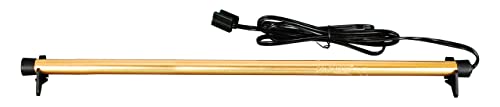
Lockdown Golden Rod Dehumidifier, 12″-36″

AEOCKY 50 Pint 3500Sq.Ft Ultra-Quiet 40dB Dehumidifier

AEOCKY 4500 Sq.Ft 80 Pint Dehumidifier with Pump
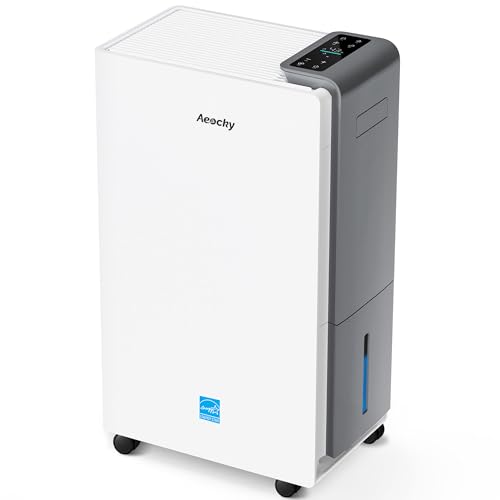
AEOCKY 5500 Sq.Ft Energy Star Dehumidifier 80Pint/D
Inside Each Recommended Option
PLUSCENT’s 21-pint model lands in the sweet spot for households that deal with mild to moderate dampness without needing industrial-level extraction. Rated for spaces up to 1,500 square feet, it suits mid-size basements, home offices, and open-plan living areas where summer humidity turns the air heavy. The included drain hose gives you a path to continuous operation, so you can route water to a floor drain or sump pump and skip the daily tank-empty routine.
Compared with the larger AEOCKY units later in this list, PLUSCENT keeps things compact and approachable, which matters for apartments or finished basements where floor space is limited. Owners commonly appreciate the straightforward control panel and the auto-shutoff feature that prevents overflow once the internal tank fills. For most homes, that’s a useful middle ground between a small bedroom unit and a heavy-duty whole-basement machine.
Everyday Wins
- 21-pint daily extraction handles typical basement humidity without overworking the compressor
- Drain hose included for set-and-forget operation near a floor drain
- Auto-shutoff prevents overflow when the tank reaches capacity
- Compact form factor fits beside furniture without dominating the room
- Effective across multiple rooms, so you can move it seasonally
Things To Consider
- At 1,500 sq ft, it may underperform in unusually damp spaces like finished concrete basements with active water intrusion
- Like most compressor-based units, the exhaust air feels slightly warm, so placement near a thermostat can nudge readings upward
Who It Suits Best
Homeowners with a mid-size basement or living area who want a reliable, no-fuss dehumidifier they can move between rooms.
Consider Something Else When
Shoppers outfitting a sprawling finished basement should step up to the AEOCKY 50 Pint 3500Sq.Ft Ultra-Quiet 40dB Dehumidifier for higher daily extraction.
PSOS leans into thermoelectric technology here, which is a quieter, lower-power alternative to traditional compressor dehumidifiers. Thermoelectric units use Peltier modules (small solid-state chips that cool one side when current flows through them) to condense moisture, trading raw extraction speed for near-silent operation. That makes the PSOS 98 OZ model a natural fit for bedrooms, nurseries, and home offices where compressor hum would be distracting at night.
The 98-ounce tank covers roughly 1,000 square feet of moderate humidity, and the built-in humidity display gives you a real-time read without guesswork. The seven-color ambient light is a small but appreciated touch for anyone using the unit as a soft nightlight. Where the PLUSCENT above targets roomier basements, this PSOS unit zooms in on personal-space comfort.
Useful Strengths
- Whisper-quiet thermoelectric operation, ideal for sleepers and light sleepers
- Front-facing humidity display makes target levels easy to monitor
- Auto shutoff protects the unit when the tank is full
- Compact, lightweight design moves easily from bedroom to closet
Worth Noting
- Thermoelectric extraction is slower than compressor models, so very damp basements may overwhelm it
- 98-ounce tank fills quickly in high-humidity conditions, requiring more frequent emptying than drain-hose models
Made For
Bedroom dwellers, apartment renters, and anyone sensitive to white noise who wants a quiet bedroom climate without compressor rattle.
Look Elsewhere When
Anyone drying out a damp basement or large rec room should skip the PSOS and grab the FreAire 34Pint Dehumidifier for 2500Sq.Ft instead.
FreAire steps the extraction rate up to 34 pints per day, which is meaningful headroom for homeowners dealing with persistent basement dampness. The 2,500-square-foot coverage rating makes it a sensible match for large finished basements, converted garages, and ground-floor additions where a smaller unit would run constantly without ever catching up. The 6.56-foot drain hose is long enough to reach a utility sink, sump pit, or floor drain without extension parts.
The trade-off is size and weight. Where the PSOS above disappears into a corner, the FreAire wants floor space and a nearby outlet. It uses a traditional compressor rather than thermoelectric cooling, so it pulls more moisture per hour but produces more audible cycling. For most basements, that’s a worthwhile exchange.
A Strong Showing
- 34-pint daily extraction tackles stubborn basement humidity in real time
- Generous 6.56-foot drain hose simplifies continuous-drain setups
- 2,500 sq ft coverage handles large open layouts without overworking the compressor
- Useful for seasonal mustiness and post-flood drying
Trade Offs
- Larger physical footprint than smaller models, so corner placement is harder to hide
- Compressor noise is noticeable in quiet living areas, especially on the highest fan setting
Best Suited To
Homeowners with a large basement, converted garage, or below-grade rec room who need serious daily moisture removal.
A Better Fit Elsewhere
Bedroom-focused shoppers will prefer the quieter PSOS 98 OZ Quiet Dehumidifier (Gray) for overnight comfort.
The Lockdown Golden Rod is a different animal from every other pick on this list. Instead of pulling moisture from an entire room, it works inside enclosed spaces like gun safes, ammunition cabinets, and long-term storage closets, where rust and mildew quietly damage valuables. The vermiculite-filled rod heats slightly when plugged in, raising the air temperature inside the cabinet just enough to discourage condensation and humidity buildup. It’s a low-wattage, always-on solution for a very specific problem.
The 24-inch length and 6-foot power cord cover cabinets up to about 300 cubic feet, which fits most full-size residential gun safes. Owners commonly mount it along the interior door or back wall, where it stays out of the way. The catch is that it only works in enclosed spaces, so it’s not a substitute for the room-scale units above.
Standout Benefits
- Engineered specifically for safes and enclosed storage cabinets, where room dehumidifiers cannot reach
- Low-wattage continuous operation adds pennies to monthly power use
- Vermiculite core holds and slowly releases heat to prevent condensation
- Plugs into any standard 110-120V outlet inside the cabinet
Honest Caveats
- Not designed for open rooms, so it cannot replace a basement or bedroom dehumidifier
- Effectiveness depends on the cabinet being reasonably airtight; older safes with worn seals may need additional sealing
Who Will Love This
Safekeepers, hobbyists with humidity-sensitive collectibles, and anyone storing firearms, optics, or documents in a closed cabinet.
Skip It When
Anyone needing whole-room moisture control should ignore the Golden Rod and choose the PLUSCENT 1,500 Sq. Ft 21 Pint Dehumidifier for general home use.
AEOCKY’s 50-pint model lands in the upper-mid tier, where capacity meets noise control. Rated at 40 decibels, it’s noticeably quieter than typical 50-pint compressor units, which matters for finished basements used as media rooms or home gyms where people linger for hours. The 3,500-square-foot coverage rating suits large open layouts, and the included drain hose supports continuous operation without manual tank emptying.
Compared to the FreAire 34-pint unit above, this AEOCKY pulls 16 more pints per day while keeping the noise profile low. For households running a dehumidifier 12 hours a day, the cumulative moisture difference adds up fast, and the quieter operation reduces the fatigue of background hum. It also handles moderate temperatures better than the thermoelectric PSOS, which loses effectiveness in cooler rooms.
Where It Excels
- 50-pint extraction handles humidity that overwhelms smaller mid-tier units
- 40dB noise rating keeps it livable in finished living spaces
- Drain hose supports set-and-forget continuous draining
- 3,500 sq ft coverage suits large basements and great rooms
Points To Note
- Heavier than smaller units, so you likely won’t move it room-to-room daily
- Power draw is higher than the 21-pint PLUSCENT, which matters for always-on setups
The Right Fit
Homeowners with a large finished basement, rec room, or bonus floor who want capacity without compressor racket.
Reach For A Different Pick When
Whole-home or multi-room projects needing a built-in pump should look at the AEOCKY 4500 Sq.Ft 80 Pint Dehumidifier with Pump for hands-off drainage.
The big difference with this AEOCKY is the built-in condensate pump, which pushes water upward through a hose to a sink, window, or remote drain. That matters because most gravity-drain models need the unit positioned lower than the discharge point, which limits placement. With a pump, you can sit the dehumidifier upstairs, in a finished basement, or in the middle of a room and still get the water out.
At 80 pints per day and 4,500 square feet of coverage, this model targets the kind of humidity that genuinely ruins basements: post-flood moisture, new-construction drying, and chronically damp below-grade rooms. The intelligent humidistat monitors the room and cycles the compressor to maintain your target humidity, which is more efficient than running flat-out all day. Compared to the Lockdown Golden Rod earlier in this list, this is the scale-up for whole rooms rather than closed cabinets.
The Practical Payoff
- Built-in pump lifts water upward, freeing you to place the unit almost anywhere
- 80-pint extraction handles serious humidity, including post-flood drying
- Intelligent humidistat cycles the compressor to maintain set humidity, saving energy
- 4,500 sq ft coverage suits whole-basement and multi-room setups
Small Caveats
- Premium capacity and pump function raise the price versus mid-tier models
- Size and weight make it a semi-permanent install rather than a portable unit
Right Fit For
Homeowners with a very damp basement, a finished lower level, or a multi-room layout who want true set-and-forget operation.
Where A Sibling Pick Shines
Smaller spaces or budget-focused shoppers may find the AEOCKY 50 Pint 3500Sq.Ft Ultra-Quiet 40dB Dehumidifier plenty capable without the pump premium.
AEOCKY’s 5500 sq ft Energy Star certified model is the largest coverage area on this list, and the certification is a real distinction. ENERGY STAR Most Efficient units must clear stricter thresholds on energy use relative to moisture removed, which translates to lower operating costs over years of continuous duty. For a dehumidifier running 10 to 12 hours a day, that efficiency gap adds up.
The 80-pint daily extraction matches the previous AEOCKY pump model, but this one swaps the pump for a wider coverage area and tighter efficiency profile. It suits very large basements, crawl spaces, and workshop areas where humidity fluctuates seasonally and the unit runs for long stretches. The trade-off is straightforward: you give up the pump’s drainage flexibility in exchange for broader coverage and certified efficiency.
Points In Its Favor
- 5,500 sq ft coverage, the largest in this roundup, suits whole-home or very large basement installs
- 80-pint extraction handles high-humidity conditions that smaller units cannot keep up with
- ENERGY STAR Most Efficient 2025 certification signals lower long-term operating cost
Where It May Fall Short
- No built-in pump, so drainage relies on gravity, limiting placement to spots below the drain point
- Overkill for apartments, small bedrooms, or modest basements where a 21-pint unit would do the job
Who Should Grab It
Owners of very large basements, multi-room layouts, or new-construction drying projects who need maximum coverage and efficiency.
Swap It Out When
Anyone needing flexible placement without a gravity drain should pick the AEOCKY 4500 Sq.Ft 80 Pint Dehumidifier with Pump for its built-in condensate pump.
What Matters Most Before Choosing a Dehumidifier
Match Capacity to Room Size, Not to the Listing
Manufacturers rate dehumidifiers in pints per day at specific temperature and humidity conditions (commonly 95°F and 90% relative humidity, or the AHAM standard at 80°F and 60% RH). Those numbers are useful for comparison but easy to misread. A 21-pint unit in a cool 60°F basement pulls far less water than the same unit in a warm upstairs room, because colder air holds less moisture to begin with. Measure the actual square footage of the space you want to dry, then pick a unit rated slightly above that number. For below-grade basements and chronically damp rooms, going one size up is worth the headroom.
Compressor vs. Thermoelectric: Know the Trade-Off
Compressor-based units extract more water per kilowatt-hour and handle cooler temperatures better, but they produce audible cycling and exhaust warm air. Thermoelectric units like the PSOS run nearly silent and weigh almost nothing, but they slow down dramatically below about 65°F and cannot match compressor extraction rates. Bedrooms, nurseries, and home offices usually benefit from thermoelectric quiet; basements and rec rooms usually need compressor muscle.
Drainage Options Decide Placement
A tank-only dehumidifier must be emptied regularly, often daily in damp spaces. A gravity drain hose works only when the unit sits higher than the discharge point. A built-in pump, as in the AEOCKY 4500 sq ft model, lets you place the unit almost anywhere and push water upward to a remote drain. Choosing the right drainage setup up front saves the daily chore of hauling a heavy tank to a sink.
Key Considerations Across These Picks
Mistakes Worth Dodging
The most common error is sizing a unit by the labeled room coverage without considering actual conditions. A basement with visible moisture, water stains, or a musty smell needs more extraction than the same square footage in a climate-controlled upstairs room. Another frequent miss is ignoring temperature: thermoelectric units lose effectiveness in cool basements, and even compressor models slow down below about 65°F. Always check the operating temperature range in the product details before committing.
When Paying More Pays Off
Higher-tier dehumidifiers like the AEOCKY 80-pint Energy Star models earn their premium through efficiency, larger tanks or pumps, and stronger compressors that maintain output as humidity drops. The honest read is that the upgrade pays off when the unit runs daily, covers a large or unusually damp space, or needs to lift water against gravity. For a guest room used occasionally, a mid-tier compressor or thermoelectric unit is plenty.
Frequently Asked Questions
How many pints per day do I need?
Most homes benefit from a 20 to 35-pint unit for general basement or bedroom use. Larger or chronically damp spaces may need 50 to 80 pints.
Where should I place a dehumidifier?
Position the unit in the dampest part of the room, away from walls and furniture, with at least six inches of clearance on all sides for proper airflow. For basement installs, central placement helps air circulate evenly.
Do dehumidifiers use a lot of electricity?
Modern compressor models use about the same power as a small space heater on its lowest setting. ENERGY STAR certified models draw less for the same moisture removed, which matters for always-on setups.
How often do I need to empty the tank?
A full tank can fill in 8 to 24 hours depending on humidity. Drain hose models skip this step entirely when routed to a sink or floor drain. Pump-equipped units offer the most placement flexibility.
Can a dehumidifier help with allergies?
Reducing indoor humidity below 50% makes conditions less friendly for dust mites and mold growth, both of which trigger common indoor allergies. Pairing a dehumidifier with regular filter changes and ventilation gives the best results.
Bottom Line
The right dehumidifier depends on where the moisture is and how much of it you’re fighting. A small bedroom, a mid-size basement, and a damp below-grade rec room each call for a different tool, and a closed cabinet full of valuables is its own special case. Match capacity to the space, pick compressor or thermoelectric based on noise tolerance and temperature, and decide on drainage before you buy. Any of the seven picks above handles its intended scenario well when sized correctly.