


Humidity that lingers and dust that keeps returning fight each other in most homes, and tackling them with separate gadgets eats up outlet space and patience. Combo units that pull moisture and trap particles in one body appeal to anyone with a damp basement, a shedding dog, or a nursery that needs both dryness and clean air without two fans running at once.
The picks below mix true two-in-one devices with strong single-function machines worth pairing nearby. Every one earns its place for a specific room size, a specific moisture problem, or a specific allergy trigger. If you need help choosing between them, the buying guide and FAQ section break down the trade-offs that actually matter day to day.
An Overview Of The Picks

Waykar 145 Pints High Efficiency Dehumidifier with Pump
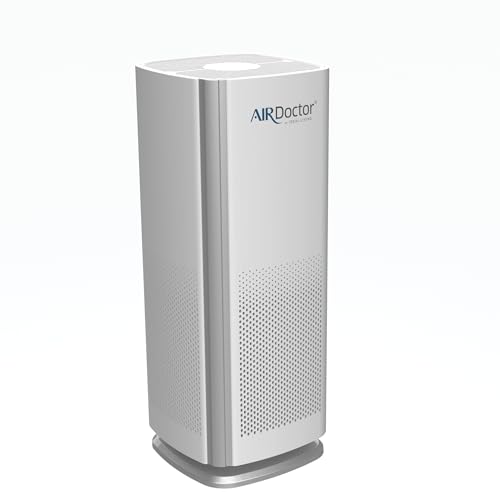
AIRDOCTOR AD1000 HEPA Air Purifier

DREO Air Purifier with PM2.5 Monitor (DR-HAP008)
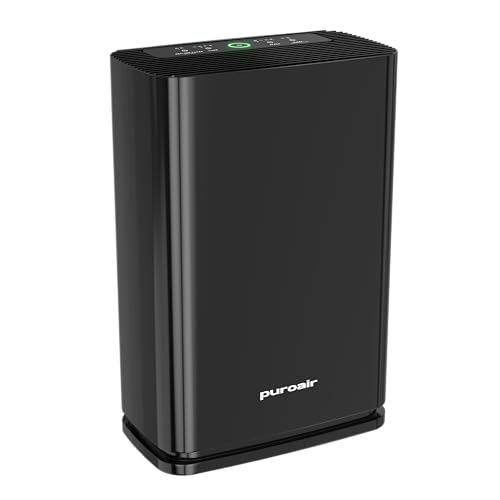
PuroAir 400 HEPA Air Purifier for Large Rooms

DAYETTE Pet Air Purifier with Dual H14 HEPA Filters

TDBYWAE HEPA Air Purifier for Large Rooms
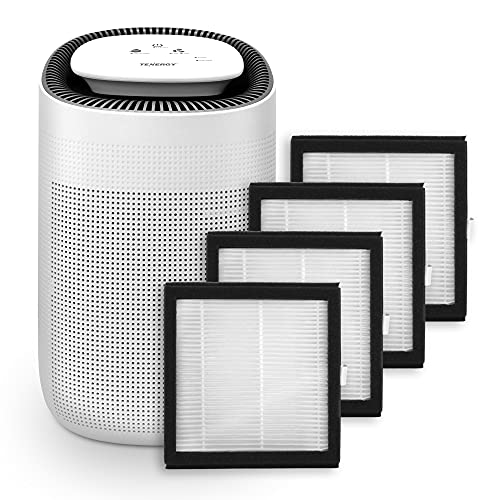
Tenergy Sorbi Dehumidifier with HEPA Filter

ALIENONE Humidifier and Air Purifier Combo

Waykar 34 Pints Energy Star Dehumidifier

Waykar 150 Pint Energy Star Dehumidifier with Pump
More Details On Our Top Picks
Basements that smell like a boat hull after a storm need pulling power that a small apartment unit cannot deliver. The Waykar 145-pint pulls moisture from rooms up to 6,500 square feet, which means a long, open rec room or a small warehouse stops feeling clammy within a day. A built-in pump pushes water up and out through the included drain hose, so the bucket never asks for your attention.
For most people running a finished basement with a sump corner and a dehumidifier line, the 30% to 80% humidity range hits the comfortable window without constant tweaking. The body is large and the compressor is louder than bedroom units, so the honest read is that this belongs downstairs, not next to a reading chair.
What Pays Off
- Built-in pump sends water upward to a sink, window, or floor drain without manual emptying.
- Wide moisture range covers a damp crawl space or a slightly musty finished room.
- Coverage up to 6,500 square feet handles long basements and open shop layouts.
- Energy-efficient compressor design trims electric use compared to older heavy-duty models.
Things To Consider
- The compressor cycles audibly, so a quiet bedroom placement will not work.
- Filter replacements are an extra maintenance line most shoppers forget to budget for.
Feature Snapshot
Made For
Homeowners with a damp, large basement or a workshop who want moisture handled without hauling buckets.
Where Another Pick Suits Better
For a smaller bedroom space, the Waykar 34 Pints Energy Star Dehumidifier is easier to live with day to day.
Asthma and seasonal allergies push shoppers toward tighter filtration than the average purifier delivers. The AIRDOCTOR AD1000 uses an UltraHEPA filter paired with a dual-action carbon layer built to grab volatile organic compounds, the gaseous household smells a regular HEPA pass lets drift through. The CADR, or clean air delivery rate, is the number that tells you how fast the purifier actually scrubs a room, and this unit moves through a 285-square-foot space four times per hour.
Compared to the Waykar 145 Pints we just looked at, this is a quiet, sit-on-the-desk product rather than a basement workhorse. The trade-off is that you get pristine air in a child’s bedroom, not moisture control. A separate dehumidifier in the same hall pairs well if dampness is part of your problem.
What Makes Sense
- UltraHEPA media captures much smaller particles than standard HEPA filters can.
- Activated carbon layer cuts down on VOCs, cooking smells, and lingering pet odor.
- Air changes a 285-square-foot room four times per hour for steady relief.
- Tall tower form keeps the floor footprint small in a guest room or office corner.
Worth Noting
- Replacement filter cost is higher than budget tower purifiers.
- No dehumidification function, so a damp room still needs a separate unit.
Who Should Grab It
Allergy-prone adults or parents who want a child’s bedroom air scrubbed aggressively, and who pair it with a separate dehumidifier.
Skip It When
If moisture and dust both bother you, the Tenergy Sorbi Dehumidifier tackles both at once for small rooms.
AHAM verification is the third-party stamp of approval that tells you a purifier’s numbers actually match real-world performance, and the DREO DR-HAP008 carries that label. A 115 CFM CADR refreshes a 178-square-foot room every 12 minutes or so, which lands in the sweet spot for a small bedroom, nursery, or home office. The PM2.5 monitor reads the air in real time and shifts the fan into auto mode when the room needs a boost.
Where the AIRDOCTOR aims at asthma households, this DREO leans toward everyday comfort with a sleep mode, four speeds, and a small scent pad slot. You may find the auto mode slightly jumpy on windy days when outdoor pollen sneaks inside, though most users find the readouts reassuring rather than distracting.
A Strong Showing
- AHAM-verified CADR of 115 CFM delivers honest, tested clean-air numbers.
- Built-in PM2.5 monitor adjusts fan speed automatically when air quality drops.
- Four speed settings plus sleep mode cover nap time, dinner, and dinner-party chatter.
- Compact tower slides between a nightstand and a wall without crowding the room.
Trade Offs
- The scent diffuser slot is small, so swapping pads becomes a frequent habit.
- Not designed for open living areas larger than the stated coverage.
Quick Facts
Right Fit For
Small-bedroom dwellers and parents of nursery-age kids who want verified air numbers without a bulky tower.
Not Your Match When
You need open-concept living room coverage, where the PuroAir 400 HEPA Air Purifier pushes cleaner air further.
Open floor plans gather cooking smells, pet dander, and dust from the front door without an obvious landing spot for a purifier. The PuroAir 400 cleans a 2,000-square-foot space in roughly an hour, a figure that beats almost every mid-size bedroom unit on the list. The HEPA filter is the real-deal media type, not a marketing label, and it pulls in the common allergens that trigger springtime misery.
This is a different animal from the DREO we just covered. Where the DREO focuses on tight rooms with verified small-room numbers, the PuroAir pushes volume across a much wider canvas. You may find the fan on high audible during a Zoom call, though the lower speeds are background-friendly.
Strong Points
- 2,000-square-foot coverage handles living-dining-kitchen combinations in one pass.
- True HEPA filter media traps fine pollen, dander, and household dust.
- Multiple fan speeds let you balance noise against air turnover.
- Auto mode reads air quality and ramps the fan only when needed.
Honest Caveats
- The body is taller and heavier than compact bedroom purifiers.
- No dehumidification, so damp rooms still need a separate unit.
Best Suited To
Shoppers with open living areas or a single large room where one unit must cover the whole footprint.
Look Elsewhere When
You need moisture handled too, in which case the Waykar 150 Pint Energy Star Dehumidifier is the bigger-room answer.
Homes with multiple dogs, a long-haired cat, or both have a particle problem that single-intake purifiers struggle to keep up with. The DAYETTE pulls air from two sides at once and runs it through H14 HEPA filters, the step above standard H13, with TVOC and PM2.5 sensors reading what the room actually contains. A 3,400-square-foot rating means even a big suburban great room turns over in under an hour.
The pet mode pushes the fan harder when dander spikes, then eases back during nap time. You may find the dual-intake grille needs a quick weekly brush if your dog shakes near the unit, but that is a small habit for noticeably less airborne hair.
A Favorable Mix
- Dual-side air intake captures shedding from two directions at once.
- H14 HEPA filtration is finer than the common H13 baseline.
- TVOC and PM2.5 sensors track gases as well as particles.
- 3,400-square-foot rating covers large pet households in one unit.
Points To Keep In Mind
- Two filters mean two replacements down the line, not one.
- No moisture removal, so a damp mudroom still needs a dehumidifier.
Feature Rundown
Perfect Match For
Multi-pet households where shedding and dander ride the air no matter how often you vacuum.
A Better Fit Elsewhere
For a single cat or low-shedding pets, the AIRDOCTOR AD1000 HEPA Air Purifier handles a smaller space more quietly.
College dorms and shared bedrooms reward purifiers that run quietly without skimping on coverage. The TDBYWAE stretches across 3,000 square feet, a figure that exceeds most bedrooms, while keeping a low fan profile that doesn’t intrude on a study session. The wide intake grille is the design trick here, pulling air across a broader face than a slim tower would catch.
Compared to the DAYETTE we just covered, this one runs without a separate pet mode but still handles shedding dogs and cats. The air quality sensor and timer round out a small-room-friendly feature set, and the timer is a thoughtful touch for students or office workers who want a set run cycle.
Well-Handled Touches
- 3,000-square-foot coverage handles large bedrooms and shared spaces.
- Wide intake grille captures more particles per pass than a narrow tower.
- Air quality sensor reads the room and adjusts output automatically.
- Built-in timer shuts the unit off after a set run cycle.
Smaller Limitations
- No dedicated pet mode, so heavy-shedding households may want a stronger unit.
- Filter swaps are not tool-free, so plan on a screwdriver every few months.
Who Will Love This
Students in dorms or renters in shared apartments who want clean air without drawing attention to a bulky machine.
Swap It Out When
Pet hair is the main irritant, in which case the DAYETTE Pet Air Purifier is purpose-built for that job.
Small bathrooms, closets, and bedrooms with mild moisture benefit from a unit that does both jobs without dominating the floor. The Tenergy Sorbi is a Peltier-style dehumidifier, a thermoelectric cooling method that runs quieter than a compressor but pulls less water, paired with an H13 medical-grade HEPA filter. The one-liter tank fills slowly in a normal bedroom, and the unit shuts off automatically when full.
At seven pounds the Sorbi moves easily from bathroom to closet, and the touch controls are a step above the basic dial-style competitors. Where the big Waykar units chase standing basement damp, this one is built for the everyday moisture that fogs a mirror after a shower.
What Helps Most
- Two-in-one design cuts moisture and particles in a single small footprint.
- Thermoelectric operation runs quietly enough for a bedroom or nursery.
- Seven-pound body moves easily between rooms without strain.
- Auto shut-off protects the motor when the one-liter tank fills.
Things To Weigh
- Removes 750 ml per day at 80% humidity, so it is not built for soggy basements.
- Tank empties manually since there is no drain hose option.
Key Specs
Whose Shelf It Belongs On
Apartment dwellers and parents of small bedrooms who need quiet, low-capacity dehumidification with light filtration.
Reach For A Different Pick When
A damp basement needs serious pulling power, in which case the Waykar 34 Pints Energy Star Dehumidifier is the right tool.
Winter heating dries the air until your skin cracks and a wooden floor starts to gap. Adding moisture back while keeping particles out is the niche this ALIENONE combo fills, with independent water and filtration paths that keep the two functions from interfering with each other. The 2.6-gallon top-fill tank lasts a few nights between refills, and the 440 CFM CADR is a serious airflow number for the size.
Where the Tenergy Sorbi is a two-in-one for removing moisture, this one adds moisture. The choice depends entirely on your problem: damp basement or dry bedroom. Mist-free design keeps the unit from leaving white dust on nearby furniture, which is a common gripe with cheaper humidifiers.
The Upside
- True H13 HEPA filter pairs with humidification in one body.
- 2.6-gallon top-fill tank reduces how often you refill.
- 440 CFM CADR handles up to 1,300 square feet.
- Smart app control adjusts humidity and fan speed from a phone.
Possible Compromises
- Adds humidity, so it is the wrong choice for a damp basement or bathroom.
- Larger body than single-function humidifiers or purifiers alone.
Who It Suits Best
Households dealing with dry winter air who also want fine-particle filtration without buying two separate units.
Where Another Pick Suits Better
For damp rooms, the Waykar 34 Pints Energy Star Dehumidifier pulls moisture out instead of adding it.
Not every basement needs 145 pints of pulling power, and running a commercial-size unit in a 1,200-square-foot space wastes electricity. The Waykar 34 Pints uses a rotary compressor to keep energy use down while still pulling 34 pints per day out of rooms up to 2,000 square feet. The 0.62-gallon tank is small enough to keep the body compact, and you can route a drain hose for hands-off use.
Compared to the big 145-pint Waykar, this is the everyday version for a mid-size basement or a chronically muggy bedroom. The Energy Star label is the practical reassurance that your electric bill will not spike as the unit runs around the clock.
The Value In It
- Energy Star efficiency keeps long-run electric costs in check.
- 2,000-square-foot coverage fits most mid-size basements and apartments.
- Auto or manual drainage lets you run unattended with a hose.
- Compact rotary compressor reduces the body’s footprint.
Points To Note
- The 0.62-gallon tank empties more often without a drain hose.
- No built-in air filter, so pair it with a separate purifier if dust is part of the problem.
Right Fit For
Mid-size basement owners and renters in chronically humid apartments who want an efficient, mid-size workhorse.
Not Your Match When
You need a true two-in-one with filtration built in, which is where the Tenergy Sorbi Dehumidifier earns its keep.
Workshops, multi-room basements, and small commercial spaces push the moisture problem past anything a 34-pint unit can handle. The Waykar 150 Pint pulls 150 pints per day and covers up to 7,000 square feet, with both a built-in tank and a pump that pushes water out through the included drain hose. Auto defrost keeps the coils from icing up in colder months, which matters in a chilly garage or unheated basement.
Smart auto comfort mode reads the room humidity and adjusts the compressor without you babysitting the dial. You may find the body too large for a finished living area, but for a workshop or storage space that has been damp for years, this is the kind of capacity that finally fixes the problem.
Useful Strengths
- 150-pint daily removal tackles workshop and storage-level damp.
- Built-in pump with drain hose supports hands-off drainage.
- Auto defrost protects the coils in cold basement conditions.
- Smart auto comfort mode adjusts output without manual tweaking.
Trade-Offs To Consider
- Large body needs a corner or utility space to itself.
- Compressor noise makes it a poor fit for finished living areas.
Built With In Mind
Workshop owners, large-basement homeowners, and small-business spaces that need serious, sustained moisture removal.
Consider Something Else When
For a mid-size finished basement, the Waykar 34 Pints Energy Star Dehumidifier is easier to live with and cheaper to run.
Picking The Right Combo Without Overbuying
The label “air purifier and dehumidifier 2 in 1” gets used loosely, so start by naming your actual problem. Damp basement air wants a compressor dehumidifier with the pints-per-day rating that matches the square footage. A bedroom that needs cleaner air wants a true HEPA purifier with a CADR that fits the room. A dry winter home wants a humidifier-plus-filter, not a dehumidifier at all.
Room size is the easiest number to anchor on. A 178-square-foot bedroom pairs with a small purifier like the DREO DR-HAP008, while a 3,000-square-foot great room needs a PuroAir 400 or a DAYETTE to turn the air over in a reasonable time. Coverage ratings assume clean filters, so a partly clogged filter will slow the whole unit down, and that is a maintenance habit worth setting from day one.
Filter type matters more than filter marketing. Standard HEPA is H13 media that captures 99.97% of particles at 0.3 microns, and H14 is a finer step above that, which is what the DAYETTE uses. For VOC and smell control, a separate carbon layer is the honest way to remove gases, since HEPA alone does not touch them. The AIRDOCTOR AD1000 leans on dual carbon for that reason.
Finally, decide between a true combo unit and two separate machines. A combo like the Tenergy Sorbi or the ALIENONE saves outlet space and reduces noise, but trade-off shows up when the two functions need different run cycles. A separate dehumidifier plus a separate purifier gives you independent control, which is often the more reliable long-term setup for households with very different moisture and air-quality problems in different rooms.
Key Considerations Across These Picks
Mistakes Worth Dodging
The most common buying slip in this category is matching a small-room purifier to a large-room problem and wondering why dust keeps returning. CADR and square footage ratings assume the unit runs near full speed with a clean filter, so undersized picks barely keep up. The flip side is overbuying, where a 7,000-square-foot commercial unit sits in a 900-square-foot basement and runs in short, inefficient cycles that wear the compressor. A quick measurement of the actual room and a quick look at the coverage number solves both problems.
Another trap is buying a “combo” that only does one job well. Some listings call any small dehumidifier a two-in-one when the filter is a thin carbon sheet that barely slows dust. Reading the filter spec line, not the marketing headline, tells you whether the air-purification claim is real or window dressing.
Where The Extra Money Goes
Premium pricing in this category usually buys two things: tighter filtration and smarter automation. A unit with an H14 filter, a VOC sensor, and a real auto mode that responds to actual room readings costs more because those components are genuinely more expensive than the basic H13 and dial controls. The honest question is whether your air problem needs that level of precision. A simple bedroom with mild allergies runs fine on a mid-tier HEPA purifier, while a household with multiple pets, a wood stove, and a nearby road benefits from the smarter, tighter picks like the DAYETTE or the AIRDOCTOR.
For dehumidifiers, the price gap usually reflects pump inclusion, build quality, and energy efficiency. A built-in pump that pushes water upward lets you run a drain hose to a sink or window, which is the difference between a hands-off setup and one that asks for a daily bucket trip. Energy Star ratings also matter, since a unit running 12 hours a day, every day, all year quietly adds up on the electric bill.
Frequently Asked Questions
How does a 2-in-1 air purifier and dehumidifier actually work in one unit?
Most true combos use two independent systems inside the same case, a compressor or Peltier module for moisture removal and a HEPA filter with a fan for particles. Some units run both at once, while others let you toggle between modes. The advantage is shared controls and one outlet. The trade-off is that the two systems cannot be placed in different rooms, so combo units work best when your moisture and air-quality problems live in the same space.
Can one device handle both a damp basement and a dusty bedroom?
A single unit placed in the basement cannot reach a different room on a different floor, since airflow drops sharply through doorways and stairs. The honest setup is a basement dehumidifier plus a separate bedroom purifier, or a single combo unit in the smaller of the two spaces. If the problem is in the same open room, a combo works. If it is in two rooms, two units work better.
How often do HEPA filters need replacing in these picks?
Most true HEPA filters in this category last six to twelve months in normal home use, though pet households and smoky environments shorten that window. Units with air quality sensors often include a filter-life indicator, which removes the guesswork. Buying replacement filters in a multi-pack, like the three-pack that comes with the Tenergy Sorbi, lowers the per-filter cost and keeps you from forgetting the swap.
What CADR rating do I need for my room?
A practical rule is to match the CADR in CFM to about two-thirds of the room’s square footage for everyday comfort, or closer to the full square footage for allergy households. A 178-square-foot bedroom is well matched to a CADR around 115 CFM, which is what the DREO DR-HAP008 delivers. Larger rooms call for CADR figures in the 300 to 400 CFM range, which is where the ALIENONE and the PuroAir 400 sit.
Are dehumidifiers with built-in pumps worth the extra cost?
A built-in pump is worth it whenever the unit sits in a space without a floor drain nearby, since it pushes water upward through a hose to a sink, window, or utility drain. Without a pump, you either empty a tank manually or rely on gravity drainage that only works when the unit sits higher than the drain. For workshop and basement use, the pump is the difference between a set-and-forget install and a daily chore.
The Takeaway
The right air purifier and dehumidifier 2 in 1 for your home depends entirely on which room hurts the most. A damp basement wants pulling power and a pump, a dry winter bedroom wants humidity added back, and a dusty living room wants HEPA filtration matched to the square footage. The picks above cover each of those situations, and the right one is the one that matches your problem rather than the one with the loudest spec sheet. Measure the room, name the problem, and the choice gets much easier.