


Dry winter air, dusty apartments, and stuffy bedrooms are easier to tame when a humidifier actually pulls its weight. This roundup focuses on combo-style units, including evaporative humidifiers that double as air cleaners, warm/cool-mist hybrids, and a bacteriostatic treatment that keeps the tank itself healthier. Whether you want whisper-quiet nursery operation, a 20-liter workhorse for an open floor plan, or simply cleaner water sitting in the tank overnight, the picks below cover a wide range of room sizes and habits. Each item is matched to a real scenario, from a single bedroom to a 2,500-square-foot great room, so you can stop guessing and pick a unit that fits the way you actually live.
The Main Contenders
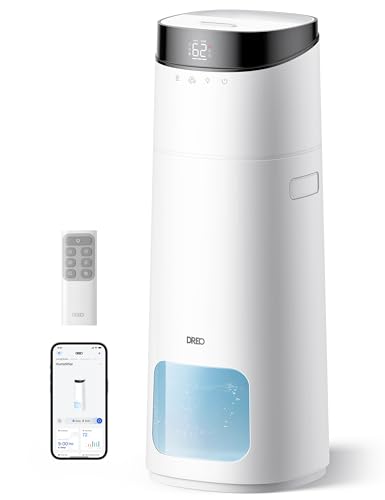
DREO 16L Smart Humidifier Large Room 1000 ft², 130H Runtime, Top Fill

AIRTHEREAL 2-in-1 Air Purifier & Humidifier for Large Room 1200 ft²
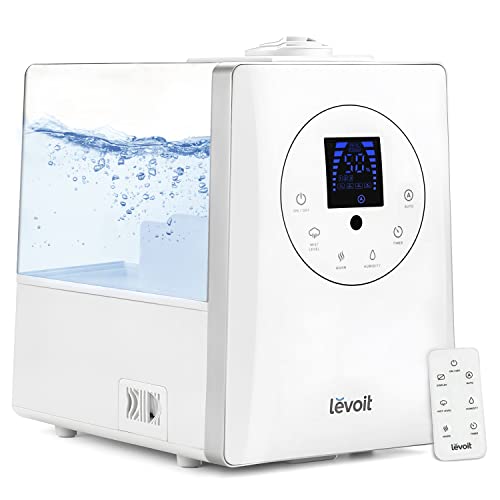
Levoit Humidifiers for Bedroom Large Room, Warm and Cool Mist

Lacidoll Humidifier Large Room 5.3Gal/20L, 2500 sq ft

PerfectAire PAU13 Cool Mist Ultrasonic Humidifier 1.3 Gallon

Essick Air 1970-2 Bacteriostatic Treatment 2-Quart, 2 Pack
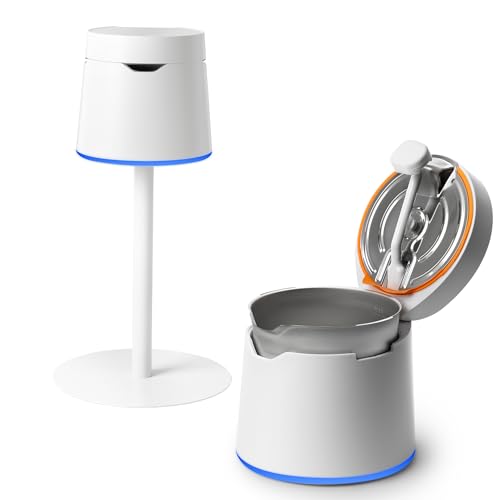
Carepod One Plus Stainless Steel Humidifier with Stand, 1Gal/4L

Carepod One Stainless Steel Humidifier Filter-Free, 1Gal/4L

Carepod Cube Plus X50V Stainless Steel Humidifier, 1.1Gal/4.2L
Meet The Standout Selections
Whole-home humidity is the promise here, and the 16-liter tank delivers the kind of runtime that makes the claim real. The DREO 755S targets rooms up to 1,000 square feet, with a stated six-foot mist reach that helps moisture spread before it drops. Auto mode, touch, remote, voice, and app control all sit in the same control scheme, so adjusting the bedroom unit from the hallway in slippers is not a stretch.
For a large open living space, a finished basement, or a long-stay home office, this is the kind of set-and-forget humidifier that stops being a chore. Top-fill design also matters in daily life: you are not hauling a jug under a sink to refill.
Standout Benefits
- 16L tank and 130-hour rating translate to roughly five nights of use before a refill in most bedrooms.
- Auto mode reads room humidity and adjusts output, so over-humidification in a small room is less of a worry.
- Top-fill opening cuts the awkward upside-down tank dance during weekly cleaning.
- App and voice control make it easy to drop the mist output after you are already in bed.
Points To Keep In Mind
- The footprint is substantial, and you will want to plan a permanent spot rather than moving it around daily.
- Cool-mist only, so anyone wanting warm mist for cold-and-flu season will need to look at the Levoit or Lacidoll picks instead.
Key Specs
Whose Shelf It Belongs On
Households with open floor plans, finished basements, or large bedrooms that struggle to stay above 35% humidity in winter.
A Better Fit Elsewhere
The Lacidoll 20L unit makes more sense if your priority is maximum tank size for a 2,500-square-foot great room.
Most humidifiers on this list do one thing, but the AIRTHEREAL AEH300 pairs an evaporative humidifier (a wick-style design that pulls water onto a filter and blows air through it) with a three-stage filter system and a real-time PM2.5 monitor (a sensor that tracks fine particulate matter as small as 2.5 microns). For a household chasing both cleaner air and comfortable humidity, the combination removes the “do I run the purifier or the humidifier tonight” dilemma. Coverage runs up to 1,200 square feet, which covers most apartments and many single-floor homes.
The integrated hygrometer (a built-in humidity sensor) feeds the color-coded air quality indicator on top, so the unit tells you what is happening in the room without making you dig through an app. For allergy-prone households near wildfire zones or busy streets, the purifier side of the design is the real draw.
Practical Advantages
- Two-in-one design replaces a separate purifier, which is meaningful if counter space is tight.
- Three-stage filter and PM2.5 sensor target smoke, pollen, and odors in addition to dry air.
- Quiet sleep mode keeps noise low without fully shutting off the moisture output.
Honest Caveats
- Replacement wick filters are a recurring ownership cost the manufacturer does not bundle.
- Evaporative output is gentler than ultrasonic (high-frequency vibrations that turn water into a fine mist), so the room takes longer to feel humidified.
- You may find the controls easier to learn with the manual nearby the first week.
Built With In Mind
Allergy-prone households and city dwellers who want one appliance handling both air quality and humidity in a single room or open apartment.
Consider Something Else When
The DREO 16L is a stronger fit for someone who wants long runtime and app control, even though it skips the purifier side.
The Levoit hybrid is a long-standing favorite in bedrooms for a simple reason: it produces both warm and cool mist, which means the same machine can soothe a stuffy nose in January and just quietly humidify a sticky July night. As an ultrasonic unit, it runs quietly enough that most people put it on a nightstand without complaint. Compared with the AIRTHEREAL two-in-one above, the Levoit trades the purifier for a true warm-mist option, which is the more useful extra in many homes.
For a nursery or a primary bedroom, the warm-mist setting during cold season is a real comfort feature, not a gimmick. The trade-off is the warm-mist element draws more power and the tank is on the smaller side relative to the Lacidoll that follows.
The Case For It
- Warm and cool mist in one unit covers seasonal shifts without swapping equipment.
- Ultrasonic operation is quiet enough for most light sleepers and babies.
- The Levoit brand is widely supported with replacement parts and accessories.
Some Limits To Know
- Tank size is smaller than the DREO and Lacidoll, so plan on more frequent refills in a large room.
- Warm-mist mode uses a heating element, so power draw climbs during winter use.
Made For
Bedrooms and nurseries where seasonal comfort, quiet operation, and warm-mist relief during cold season are the priorities.
Look Elsewhere When
The PerfectAire PAU13 is a more straightforward option for a small bedroom on a tighter budget.
When “large room” is an understatement, the Lacidoll answers with a 20-liter tank and a stated 2,500-square-foot coverage ceiling. That puts it well above the DREO 755S, which targets 1,000 square feet. Both warm and cool mist are available, and humidity is adjustable from roughly 40 to 90 percent. For a great room with a vaulted ceiling, a long workshop, or a multi-room open plan, this is the size class that stops playing catch-up.
The trade-off is real estate: at 5.3 gallons of water capacity, the unit is hefty, and you’ll want to place it where it lives year-round. Compared with the AIRTHEREAL, you give up the built-in purifier, but the mist output is in a different league.
Features That Help
- 20L capacity and 2,500 sq ft coverage suit open floor plans, vaulted rooms, and workshops.
- Three mist levels plus adjustable target humidity make it tunable for season and room size.
- Warm-mist option reaches around 104°F for soothing winter output.
What To Weigh
- The footprint and weight make this a semi-permanent fixture rather than a portable unit.
- Filling and cleaning the tank is a two-hand job given the 5.3-gallon size.
Key Specs
Best Suited To
Homeowners with open layouts, vaulted ceilings, or large workshops who want one central humidifier instead of several smaller units.
Swap It Out When
The DREO 16L is a smarter choice for a 1,000-square-foot space because the larger tank creates more cleaning effort without a real comfort gain.
The PAU13 is the kind of humidifier a first-time owner can unbox, fill, and run without reading the manual twice. The 1.3-gallon tank suits rooms up to 600 square feet, which covers most bedrooms and home offices. Touch control, a soft night-light, and ultrasonic operation cover the basics without piling on features that complicate the experience. Compared with the Levoit above, the PAU13 trades warm-mist for simplicity and a lower ongoing cost.
For a guest room, a small nursery, or a desk-side unit in a home office, the PAU13 does the job quietly. The active carbon filter is a nice touch for reducing impurities in the mist, though the filter itself is a consumable to remember over time.
Advantages To Know
- Ultrasonic operation is quiet enough for a baby’s room or a shared bedroom.
- Auto shut-off when water runs low prevents the dry-run damage that wrecks cheaper units.
- Touch control and built-in night-light keep the bedside experience simple.
Practical Considerations
- Cool-mist only, so the warm-mist relief of the Levoit and Lacidoll is not available here.
- The 1.3-gallon tank means more frequent refills than the larger picks on this list.
Perfect Match For
First-time humidifier owners, small bedrooms, and home offices where a simple, quiet cool-mist unit is enough.
Another Choice May Suit
The Carepod One is worth a look if you prefer a stainless steel body and only three washable parts for easier maintenance.
This one is not a humidifier. The Essick Air 1970-2 is a bacteriostatic treatment (a water additive that inhibits bacterial growth in the reservoir), sold as a two-pack of 32-ounce bottles, designed to be added to the water in a wick-style evaporative humidifier. If you already own a console humidifier and the tank starts to smell musty or develop a slimy film, this is the kind of maintenance product that solves the root problem. It is the only accessory in the roundup, and for the right household, it is arguably the most useful item on the list.
For households already running a whole-house or large wick humidifier, this treatment extends the time between deep cleanings and keeps the mist less likely to carry odors. Skip it if your home uses ultrasonic or steam units, since the chemistry is formulated for wick systems.
A Few Strong Suits
- Two-bottle pack covers months of routine dosing for a single console humidifier.
- Targets the bacterial and mineral buildup that creates the classic “humidifier smell.”
- Works with existing wick humidifiers without requiring any hardware change.
Points To Note
- Not a standalone humidifier, so it only makes sense if you already own a compatible wick unit.
- You may find the dosing instructions take a quick read-through to get right the first time.
Right Fit For
Owners of wick-style evaporative humidifiers who want longer intervals between full cleanings and a fresher-smelling tank.
Skip It When
The AIRTHEREAL AEH300 is a better place to start if you do not yet own a humidifier, since it handles both purification and humidification in one unit.
The Carepod One Plus swaps plastic for stainless steel and trims the cleaning routine down to three washable parts, which is the whole pitch. The included stand lifts the unit off the floor, and the mood light adds a soft glow for nurseries. At 1 gallon (4L) and a stated 30-hour runtime, the One Plus is built for bedrooms and family rooms where hygiene and quiet operation matter more than maximum coverage. Compared with the AIRTHEREAL two-in-one, the Carepod skips the purifier but earns points for materials.
For families with curious kids or pets, the stainless body and the absence of small filter parts are practical wins. It is also filter-free, which removes a recurring cost and a routine chore.
Everyday Perks
- Only three washable parts simplify weekly cleaning down to a five-minute job.
- Stainless steel construction holds up better to frequent washing than typical plastic tanks.
- Filter-free design removes the cost and hassle of replacement cartridges.
- The included stand keeps the unit stable on carpet and out of pet reach.
Soft Spots
- Stainless costs more than plastic-bodied competitors with similar tank sizes.
- Cool-mist only, so cold-season warm relief is not part of the package.
Who Will Love This
Families prioritizing hygiene, low-maintenance cleaning, and durable materials over maximum room coverage.
A Better Fit Elsewhere
The Levoit hybrid is the upgrade path for a family that also wants warm-mist output during cold season.
The original Carepod One drops the stand and the mood light, but keeps the same stainless build, the same three washable parts, and the same filter-free approach. For a nursery, a primary bedroom, or a quiet home office, the simpler profile is the point: less to look at, less to clean, less to break. The 30-hour runtime on a 1-gallon fill is competitive in this class, and ultrasonic operation keeps the noise floor low. If you find the Carepod One Plus above useful but a bit busy, this is the pared-down version.
Compared with the PerfectAire PAU13, the Carepod One trades plastic for steel and filter swaps for no filters at all. It is a step up in materials, with a similar single-room focus.
A Few Highlights
- Filter-free design removes the recurring cost of replacement cartridges entirely.
- Three-part construction lets you boil the tank to clean it, which is rare in this category.
- Stainless body resists staining and odor retention better than plastic over years of use.
Less-Strong Areas
- Cool-mist only, with no warm-mist mode for cold-and-flu season comfort.
- 1-gallon capacity sits between the PerfectAire and the DREO, so it is not the most economical pick for whole-home use.
Who Should Grab It
Light sleepers, nursery parents, and renters who want a quiet, low-maintenance stainless unit in a single bedroom.
Reach For A Different Pick When
The DREO 16L is the better match for someone wanting longer runtime and app control in a larger space.
The Cube Plus X50V is the most feature-loaded Carepod in the lineup, and the built-in sanitization cycle is the headline. One-touch sanitization uses a heat cycle to reduce buildup inside the tank, which addresses the “humidifier smell” complaint head-on. The 1.1-gallon (4.2L) tank covers rooms up to 700 square feet, with three mist levels, auto-humidity mode, and auto shut-off. It is also a warm/cool-mist hybrid, which is a notable step up from the cool-only Carepod One.
For households that have owned humidifiers before and remember the slime-and-vinegar cleaning routine, the built-in sanitization is a meaningful quality-of-life feature. It is the most expensive Carepod here, so it makes most sense if you actually plan to use the warm-mist and sanitization extras rather than paying for them and ignoring them.
Everyday Advantages
- Built-in sanitization cycle handles the deep-cleaning chore that owners tend to skip.
- Warm and cool mist add season-flexibility that the other Carepod models lack.
- Auto-humidity mode reads the room and adjusts output to your target level.
- 32-hour runtime from a 1.1-gallon fill is competitive in this size class.
Worth Bearing In Mind
- Costs more than the standard Carepod One without a dramatic increase in tank size.
- The added controls mean a slightly steeper learning curve for first-time owners.
Key Specs
The Right Fit
Households that have owned humidifiers before and want warm-mist output plus automated tank sanitization in a stainless build.
Look Elsewhere When
The Levoit hybrid is the better value pick if you do not plan to use the built-in sanitization feature.
What Matters Most Before Choosing Air Humidifier Combo Treatments
Match Tank Size to Room Square Footage
Tank capacity and stated coverage are the easiest numbers to compare, and they tell you most of what you need. A 1-gallon tank in a 600-square-foot bedroom will run dry every night, while a 20-liter tank in a 250-square-foot guest room is overkill. A rough rule of thumb: pick a unit whose stated coverage sits at or slightly above your actual room size, and assume you will refill about half as often as the runtime suggests in real use. For the picks above, the PerfectAire PAU13 and Carepod models target single rooms, the DREO 755S and Levoit cover mid-to-large rooms, and the Lacidoll is sized for very large open spaces.
Warm Mist vs Cool Mist vs Evaporative
Each technology has a real-world trade-off. Ultrasonic cool-mist units, like the Carepod line and the PerfectAire, run quietly and use less power, but they can leave white dust on nearby surfaces in hard-water areas. Warm-mist hybrids like the Levoit and Lacidoll add comforting heat for cold season but draw more electricity. Evaporative wick units like the AIRTHEREAL pair naturally with a built-in filter, but the wick is a consumable. If you are unsure, cool-mist ultrasonic is the safest all-rounder for most homes.
Maintenance and Filter Costs
This is where ownership cost diverges. Filter-free models like the Carepod line eliminate the cost of replacement cartridges entirely, while wick units and air-purifier hybrids like the AIRTHEREAL require periodic filter swaps. The Essick Air bacteriostatic treatment is a separate add-on for wick systems, useful if you want longer intervals between deep cleanings. Stainless steel tanks tend to resist slime and odor better than plastic over years of weekly use, which is the honest read on the Carepod advantage.
Key Considerations Across These Picks
Common Shopping Slip Ups
The most common mistake is choosing a humidifier based on the largest advertised coverage without checking the tank size. A 1,200-square-foot rating with a 1-gallon tank means constant refills, even in a smaller room. Another trap is ignoring the difference between ultrasonic and evaporative output. Ultrasonic puts visible mist into the air quickly, while evaporative is quieter but slower to raise humidity. For households in hard-water regions, white dust from ultrasonic units is a real complaint and worth weighing against the quieter operation.
When Paying More Pays Off
The jump from a basic plastic ultrasonic unit to a stainless steel, warm/cool-mist hybrid like the Carepod Cube Plus or the Lacidoll is not just marketing. You get a tank that resists buildup, a heating element for winter comfort, and features like auto-humidity mode and built-in sanitization. For households that run a humidifier most nights from October through April, the upgrade typically pays back in fewer cleanings, fewer replacement parts, and more consistent comfort. For a guest room that runs a few nights a month, the value is harder to justify.
Frequently Asked Questions
How do combo humidifier treatments differ from regular humidifiers?
A combo humidifier treatment pairs a humidifier with either an air purifier, a water-treatment additive, or a built-in sanitization cycle. The AIRTHEREAL pairs humidity with a three-stage filter, while the Essick Air 1970-2 is a treatment additive that keeps wick humidifier tanks cleaner. The Carepod Cube Plus adds a built-in sanitization mode rather than a separate filter, so “combo” can mean different things depending on the product.
Are ultrasonic humidifiers safe to use around babies and pets?
Ultrasonic humidifiers, including the Carepod line and the PerfectAire PAU13, are widely used in nurseries because of their quiet operation. The practical concern is hard-water white dust, which can settle on nearby surfaces. Using distilled water and routine tank cleaning addresses most of that issue, and stainless tanks tend to stay cleaner longer than plastic.
How often should a humidifier tank be cleaned?
A weekly rinse with mild soap and water is a reasonable starting point for most households. The Essick Air bacteriostatic treatment extends the interval between deep cleanings for wick systems, and the Carepod Cube Plus’s one-touch sanitization cycle automates part of the routine. Owners in hard-water areas typically need to desccaling more often than soft-water households.
Do warm-mist humidifiers use a lot of extra electricity?
Warm-mist hybrids like the Levoit and Lacidoll use a heating element that draws more power than cool-mist operation. The added cost depends on how many hours per day the warm setting runs, but for most households running the unit overnight in a single room, the increase on a monthly bill is modest. Cool-mist mode stays in the low-power range on every model in this roundup.
Can one humidifier cover an entire house?
In most cases, no. Even the Lacidoll’s 2,500-square-foot rating assumes an open floor plan where moisture can travel freely. Closed-door bedrooms typically need a separate unit, which is why a 16-liter DREO in the living room plus a smaller Carepod in the bedroom is a common pairing. Whole-house humidifiers built into the HVAC system are a different category altogether.
Wrap Up
The right pick comes down to room size, water quality, and how much cleaning you actually want to do. Large open spaces point to the DREO 755S or Lacidoll, while bedrooms and nurseries favor the Carepod line, the Levoit, or the PerfectAire. Households chasing both cleaner air and comfortable humidity get a real two-for-one with the AIRTHEREAL, and wick-system owners can extend tank life with the Essick Air treatment. Match the technology to the room, plan on weekly cleaning, and the rest is preference.